

Special Needs of Retrievers
A suitable food with sufficient nutrients and proteins for large dog breeds supports healthy growth of joints and muscles. If a food allergy develops over time, a suitable food should be selected with the help of an elimination diet, possibly with hypoallergenic types of meat such as horse or ostrich.
Delicious Food for Retrievers
Just as our dogs vary in appearance and character, so too do their nutritional needs differ. That's why we've selected various products from our range and present you with the ideal Food for Retrievers compiled.
For Retrievers, high-quality proteins and healthy fats are particularly important to strengthen their muscles and ensure energy supply. Omega-3 and Omega-6 fatty acids support joint health and shiny fur. Dietary fibers are also important for a healthy digestion, while vitamins and minerals such as Vitamin E and Zinc strengthen the immune system.
The appropriate dog food depends on your four-legged friend. In any case, the food should meet their needs. High-quality proteins, but also vegetables, carbohydrates, fats, vitamins, and minerals must not be missing. Labradors are quite undemanding eaters and enjoy dry or wet food as well as BARF.
How much food a dog needs in a day depends on many different factors: the size, body condition (i.e., weight), body structure, amount of fur, age, and most importantly, of course, the activity level. Young and very active animals require more energy than animals that stroll through life at a more leisurely pace.
For training retrievers, small, healthy snacks such as pieces of fruit (e.g. apples or carrots) or specially formulated dog biscuits are suitable. These should be low in calories and easily digestible to promote motivation without increasing the daily calorie intake. Chewable items like dried sweet potatoes can also serve as a reward and help clean the teeth.
To prevent overweight in your Retriever, you should focus on a balanced diet with controlled portion sizes. Pay attention to the calorie intake and avoid excessive snacks. Regular exercise and active play times also help regulate weight and maintain fitness. A healthy diet also supports your dog's metabolism.
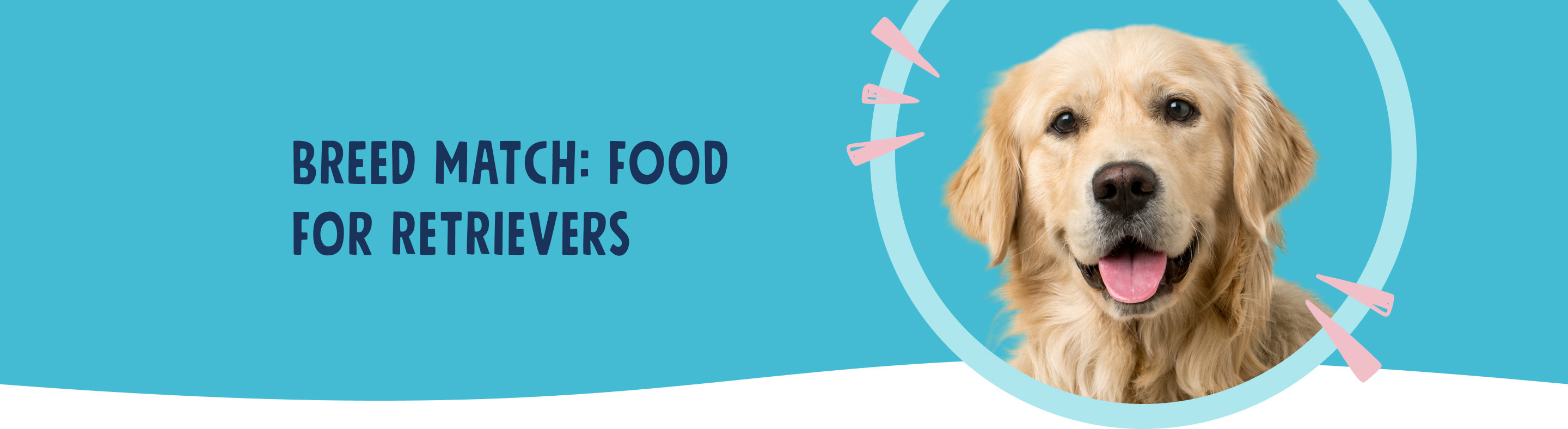
The Golden Retriever is quite suitable as a beginner's dog. He is very patient, eager to learn, and extremely people-oriented.
Although the "Goldie" is an uncomplicated and adaptable companion, he still needs plenty of space and sufficient food. Adequate exercise is also important, as he has a large appetite and tends to be overweight.