How can I recognize an eye infection in cats?
Unlike dogs, cats are less prone to eye infections or other eye problems. However, that doesn't mean our feline friends are immune. Unfortunately! They too can catch an eye infection or inflammation and need to be treated accordingly.
To be able to help your cat early on, you should watch for the following signs of an eye infection:
frequently rubs its eyes
watery eye
red eye
starts to squint with the eye
squinting the eye
swelling around the eye
unusually frequent blinking
milky, cloudy appearance of the eye
If you notice one or more of these symptoms, don't just hope it will get better on its own, but go straight to the vet. An eye infection is very unpleasant for your cat and can also be painful. In addition, there is a health risk if the infection is left untreated.


If your cat keeps squinting, it's a sign that something is wrong.
Common eye infections in cats
Besides an infection, your cat might have something else wrong with its eye. That's why it's so important to have your pet examined to find out whether it's really an eye infection or something more serious. Common inflammatory eye diseases in cats include:
Conjunctivitis
If it is conjunctivitis (better known as pink eye), the mucous membranes of your cat's eye are inflamed. If you have other pets, you should be careful, because conjunctivitis is contagious among pets. However, it cannot be transmitted to humans.
Causes and symptoms: The cause of conjunctivitis can be a viral or bacterial infection. Symptoms are watery and reddish eyes with a clear to grayish, yellowish, greenish, or even dark to rust-red colored discharge. Sometimes the inside of the eye is swollen. Other accompanying symptoms can include →frequent sneezing and nasal discharge.
Treatment: Usually, conjunctivitis is treated with an antibiotic in the form of an ointment or drops for the eye. If the examination reveals that the conjunctivitis was caused by the feline herpesvirus (FHV-1), treatment against the virus will also be started.
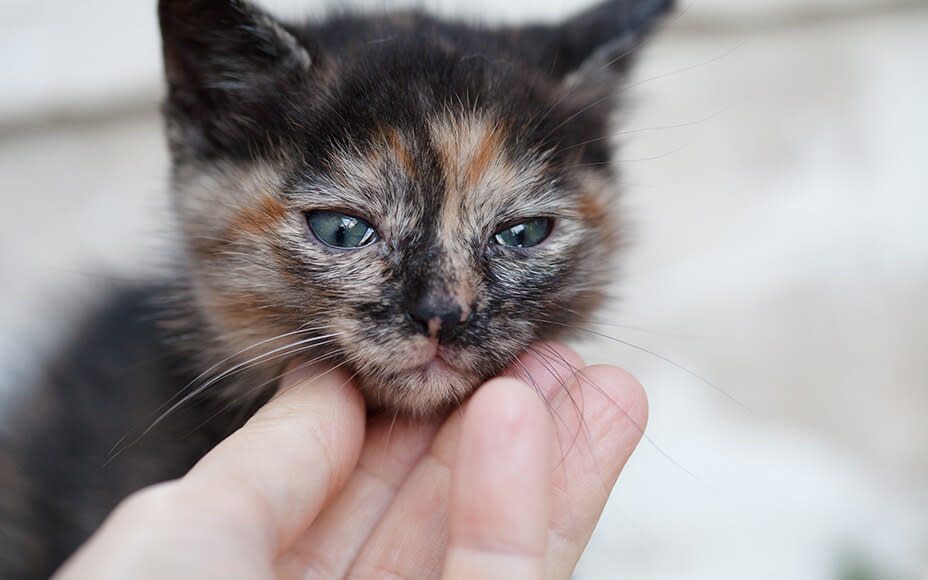
Watery eyes are a common symptom of eye diseases.
Uveitis (inflammation of the inner eye)
The uvea is the vascular layer of the eye and consists of the iris, ciliary body, and choroid. All three components are responsible for blood supply in the eye. Itis is the abbreviation for inflammation, which is why uveitis means "inflammation of the inner eye". Uveitis can be painful and should therefore be treated by a veterinarian immediately.
Causes and symptoms: The causes of uveitis can vary greatly. Sometimes the trigger is a blow to the eye or a foreign object entering the eye. If the disease occurs in both eyes, infectious diseases (in cats, e.g. FIP, FIV, FeLV, toxoplasmosis) or tumorous diseases are more likely. Typical symptoms are a red eye, a constricted pupil and sometimes also a clouding of the eye. Depending on the location of the inflammation (front or back of the eye), squinting and impaired vision may also occur.
Treatment: Depending on the cause of the uveitis, the inflammation in the eye is often treated with cortisone-containing eye drops, pupil-dilating medications and anti-inflammatory tablets or drops.
Irritations of the eye
There may also be an irritation of the eye. Some pets are sensitive to certain substances, which can cause inflammation of the eye.
Causes and symptoms: Eye irritations are triggered by various things such as bacteria, viruses, fungi, or parasites. The first signs of irritation are squinting the eyes and frequent rubbing. Other symptoms include redness, swelling as well as eye discharge from the affected eye. Accompanying symptoms such as sneezing or nasal discharge may also occur.
Treatment: For a mild irritation of the eye, plenty of rest, a →healthy diet and enough fluids can help. Regular cleaning of eye discharge with a warm cloth can also support the healing process. If there is a severe infection of the eye, ointments, eye drops and/or antibiotics will be prescribed by the vet.
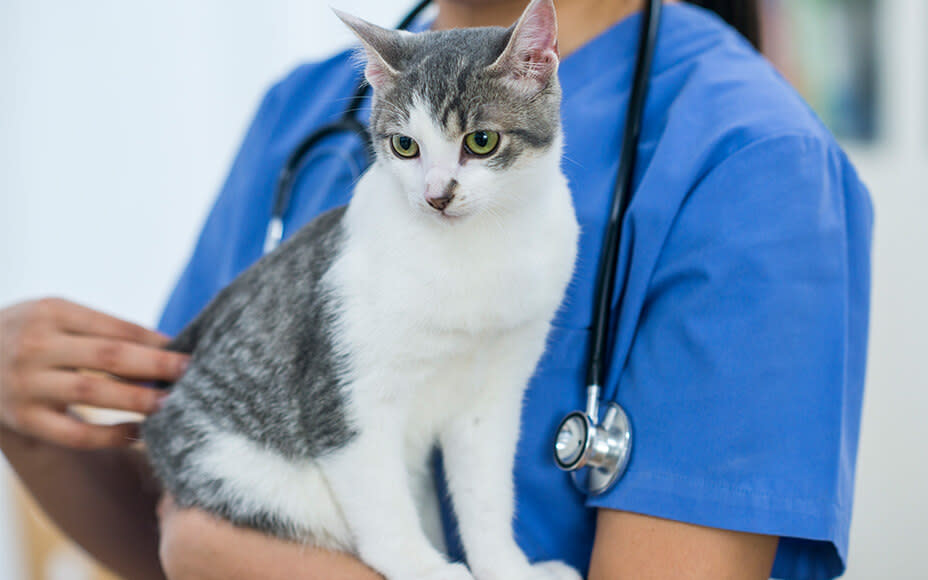
A visit to the veterinarian should not be postponed if there are problems with the eyes!
Your cat deserves a proper reward after the vet visit and the prescribed tablet also needs to be elegantly delivered to their stomach? Then our wide selection of treats is just what you need right now! Whether it's creamy delight or juicy fillet pieces – the new favorite treat for your cat is just a click away.
The tastiest reward for your kitty
Other eye diseases in cats
In addition to inflammation, there are other eye diseases that cats can get. It's important that you don't wait too long and hope the problem will resolve itself. If you notice your cat showing any of the symptoms listed above, see a vet. Some eye diseases, such as glaucoma, must be treated by a veterinarian as quickly as possible to ensure that there are no serious long-term consequences or even loss of vision or the entire eye.
Other possible eye diseases in cats include:
Corneal ulcers: Open wound on the surface of the eye
Glaucoma: Eye pressure that is too high due to excess eye fluid
Cataracts: Clouded area on the lens of the eye
Entropion: Hereditary rubbing of the eyelashes against the cornea
Exophthalmos: eye bulges out of the head
Corneal necrosis: disease of the cornea
Eye drops for cats
If you notice that something is wrong with your cat's eye and it shows one or more of the symptoms mentioned above, it's best to see a vet. Eye drops for your cat can help, but should never be given without medical advice. Your cat may have much more than "just" an eye irritation and may need special medication, specific eye drops, and/or further treatments.