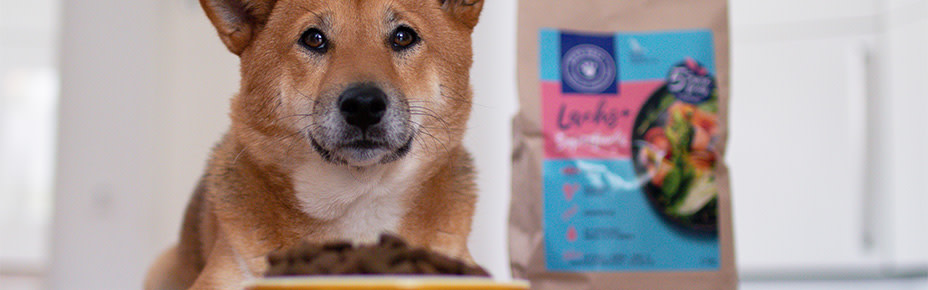
Why is grain-free food so important for dogs?
The selection of the right food for our four-legged friends is now enormous. However, the statement that grain-free dog food is important and correct has been increasingly reinforced in recent years. You may be wondering, why is grain in dog food actually so bad? We explain it to you!
Health impacts of grain in dog food
Grains such as wheat, corn, and soy are common ingredients in many commercial dog food varieties. However, some dogs may have difficulty digesting grains well. One reason for this is that dogs, compared to their ancestors, wolves, do not have the same digestive ability for grains. This can lead to various health problems, including →allergies, digestive disorders, and →skin irritations.
Additionally, the inclusion of grains can increase the gluten content in dog food. Gluten is a protein found in many grains and can lead to allergic reactions in some dogs. These allergies can manifest as symptoms such as itching, gastrointestinal issues, or skin problems.

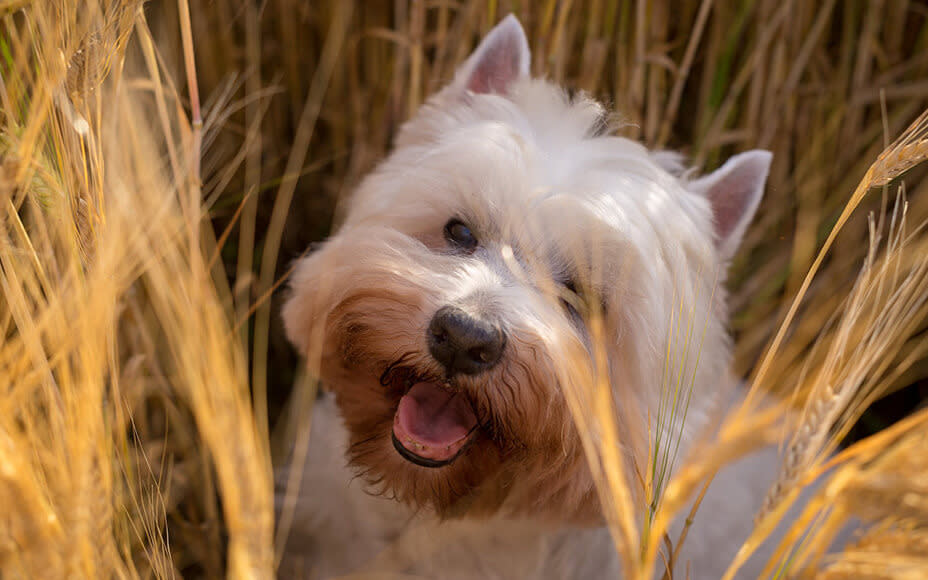
[TRANSLATION ERROR] Nicht jede Fellnase hat Schwierigkeiten dabei, Getreide im Hundefutter zu verdauen. Insbesondere sensible Hunderassen haben jedoch ein höheres Risiko.
Is dog food with grains always bad?
But is grain in food always bad? No. It is important to pay attention to the type of grain and the proportion of grain in the food. For example, →rice is also considered a grain, but it is harmless for many dogs and is often well tolerated. Nevertheless, you should always pay attention to the proportion of rice in the food.
Of course, there are also high-quality and very healthy grain types - often referred to as "pseudo-grains." These include quinoa, amaranth, and buckwheat. They are full of minerals and vitamins, contain complex carbohydrates, and valuable fibers. Since they are gluten-free and rarely cause allergic reactions in dogs, they are considered very well tolerated and are often used in →hypoallergenic food varieties.
Ideal for Allergies and Intolerances - Hypoallergenic Food


Advantages of grain-free food at a glance
Switching to grain-free dog food is always an individual decision that depends on the specific needs and health conditions of your dog. Nevertheless, we would like to highlight the potential benefits of a grain-free diet to best support the health and well-being of your beloved four-legged friend.
Promoting better digestion
Grain-free dog food is often based on easily digestible proteins such as meat, fish, or potatoes. This promotes healthy digestion and can help minimize gastrointestinal issues.
Allergy prevention
By avoiding grains, the risk of allergies and intolerances can be reduced. Many pet owners report positive changes regarding skin problems and allergic reactions after switching to grain-free food.
Healthy skin and shiny coat
Grain-free dog food is often rich in omega-3 fatty acids, which can promote skin health and contribute to a shiny coat. This is especially important for dogs with sensitive skin or a tendency to skin problems.
Weight control
Grain-free food can help better control your dog's weight →better. Often, it contains less filler, which means your dog needs less food to feel full. This can effectively reduce the risk of overweight.