How can my dog lose weight quickly?
If your dog →is overweight, you should first free yourself from the desire for him to lose weight as quickly as possible. Just like with us humans, rapid weight loss can cause health problems and severely affect your dog's quality of life! Instead, proceed patiently and allow your dog to enjoy life despite the diet.
You should also stay in regular contact with your veterinarian to ensure your four-legged friend remains healthy and lively. Overweight can have other causes for your dog besides too much food and too little exercise. If no underlying diseases are present, your veterinarian will give the green light, and you can work together to create a diet plan. Of course, you should stick to it as much as possible, because as often is the case, perseverance at the beginning is the biggest hurdle!

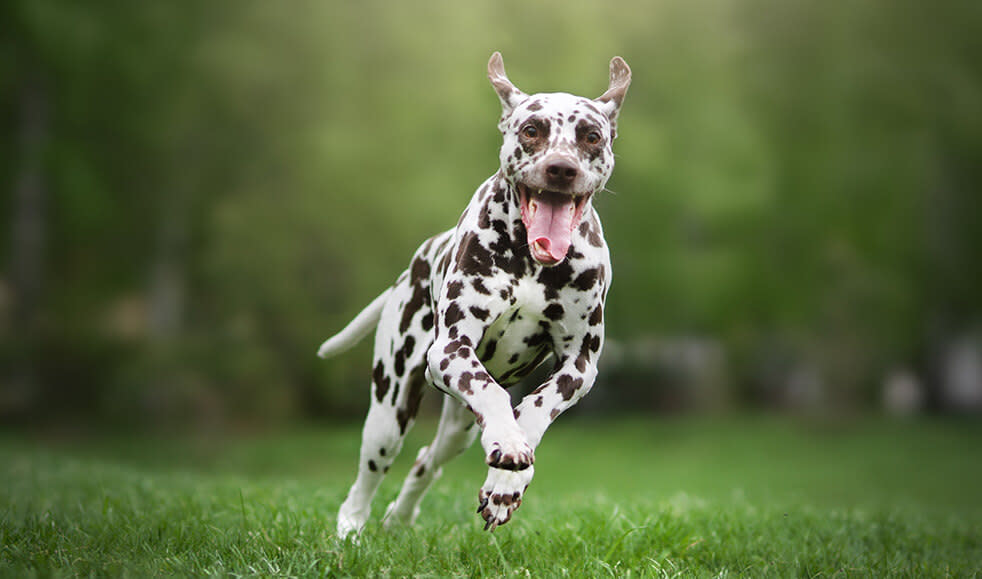
We present to you our 5 tips to help your overweight dog lose weight.
Our 5 weight loss tips for dogs:
- Healthy feeding starts as early as the →puppy stage. Overfeeding or feeding too frequently can lay the groundwork for your dog's future overweight. Therefore, inform yourself thoroughly before getting a dog. Take a look at our →feeding recommendations or get →free advice from us. If your dog is already an adult, the next tip will be interesting for you!
- The feeding routine: How you feed can make a huge difference. To get an overview, you can keep a feeding diary. Here you will see when and how often you feed your dog and how you distribute treats and snacks throughout the day. Changes in the feeding routine can affect the relationship between you and your furry friend, so the beginning can be difficult. Once your dog has adjusted to the new routine, it will become easier for you to feed him consciously without him begging for food.
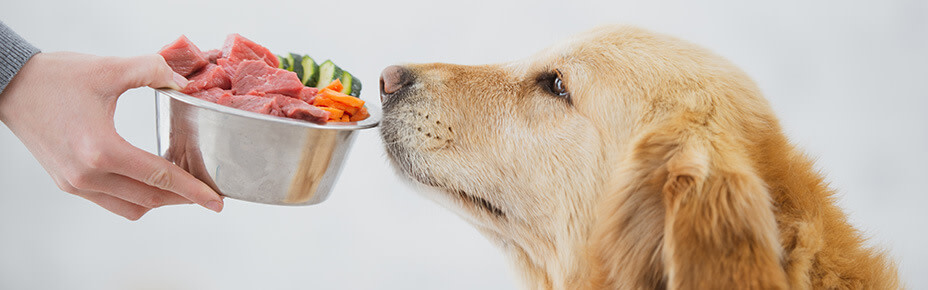
- The type and →composition of dog food can vary greatly. Not only does true beauty come from within, but the same goes for your four-legged friend's health. Therefore, pay attention to a high meat content with plenty of raw fiber, low fat, and nice crunchy vegetables. Ingredients with names you can't even pronounce are usually not on the healthy side. It may also be that you are using particularly rich food, even though your dog doesn't need that much energy because he belongs to the calmer, sleepier type.
Gesund unterwegs - mit dem besten Futter!


- Giving fewer treats and chew snacks or accounting for them in your dog's daily food amount can help with weight loss. Some chew snacks with particularly high fat content, such as those made from salmon, herring, eel, or mackerel, should be given less during the diet. Even well-meaning treats can be real fatteners. Try using petting as a reward instead of treats during →training and reduce the amount that way.
Gesund snacken war nie so lecker!
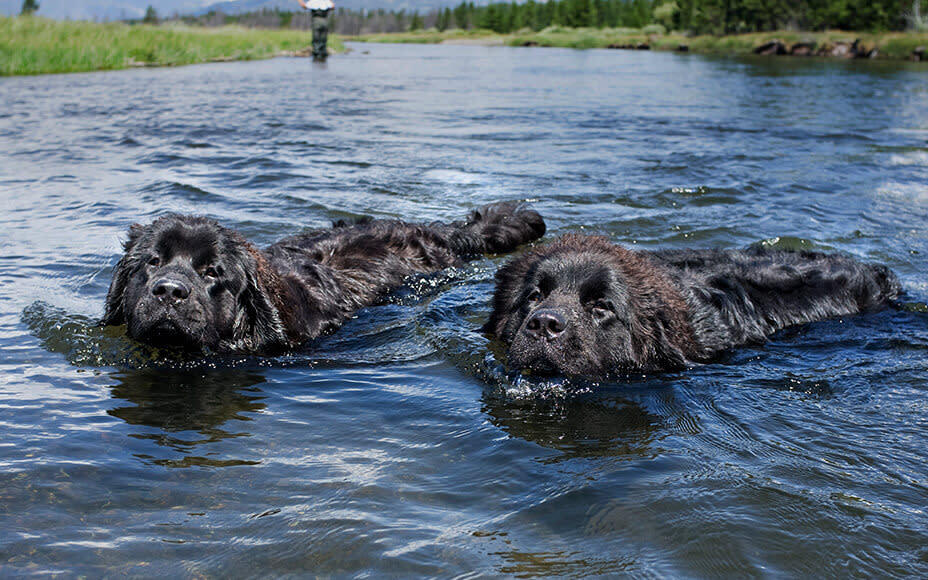
- Exercise! Our last but definitely not less important tip revolves around the →physical activity of your four-legged friend. Depending on the severity of the overweight, you can increase the exercise by walking faster or longer. Swimming can also help water-loving dogs lose weight. However, if your dog is severely overweight, more exercise can, in the worst case, further damage his joints. Always consult your veterinarian in this case.

How heavy should my dog be?
Hundreds →of different dog breeds with different body types are known today. Males are usually larger and therefore heavier than females, and individual differences come into play as well! Therefore, providing information about a dog's ideal weight is difficult. Nevertheless, the rule is that a dog with ideal weight should have a noticeable waist, and there should be a small layer of fat over the ribs, so they are still countable.
Depending on the coat volume, checking these details can be easier at times than others. For the →German Shepherd or →Bernese Mountain Dog, the figure of the four-legged friend can be largely obscured by the coat. It's easier with →short-haired breeds, like the →Miniature Pinscher and others.
If you want to know exactly, you should remember the weight of your four-legged friend at the end of his growth phase or ask veterinarians (the weight development of the dog is usually documented here). At the age of 12 months, and a bit later for large breeds, dogs usually reach their individual ideal weight.
How dangerous is overweight in dogs?
Overweight can significantly shorten your furry friend's life expectancy and should not be underestimated! It also greatly reduces your furry friend's joy of life. With increasing weight, he finds less and less joy in shared activities, play, and fun. To enjoy your time with your four-legged friend for as long as possible, you should ensure that his diet is healthy and that he gets regular exercise. Then your dog will keep you fit for a long time too!