Aging in Dogs
Our beloved furry friends often accompany us for many years, sometimes even since puppyhood. If you notice that their fur is slowly turning gray, you might wonder where the time has gone and whether your four-legged darling is already among the senior dogs. We will show you what signs of aging to look for in your dog, how to recognize them, and what tips can help support your four-legged senior.
When does my dog become a senior?
Aging affects our beloved four-legged companions just like it does us humans. But when is it that your dog qualifies as a senior and how old do dogs actually get?
Generally, [→small dogs](/magazin/hunde/hunderassen/ratgeber-kleine-hunderassen-erziehung-und-ernahrung) tend to have a higher life expectancy than large dogs. Therefore, [→large breeds](/magazin/hunde/hunderassen/grosse-hunderassen) like Great Danes or St. Bernards are considered old dogs starting from around 6-7 years and have an average life expectancy (depending on size) of 8-13 years. Small breeds like Jack Russells or Chihuahuas are considered seniors from 10-11 years and have an average life expectancy of 10-15 years.

A →healthy and balanced diet is essential for keeping your dog fit into old age. Additionally, older dogs often prefer wet food. In our products, we completely avoid gluten-containing grains, sugar, flavor enhancers, and colorants. Instead, our food shines with high-quality raw materials, gently cooked vegetables, fresh fruits, and rich oils and herbs. Give it a try!
Auch im Alter noch echt lecker - hochwertiges Nassfutter für deinen Hund


How does aging manifest in my dog?
The signs of aging are, of course, always individual for each furry friend. Some dogs show hardly any signs even into old age, while others struggle with aging early on.
The following manifestations can be indications of aging:
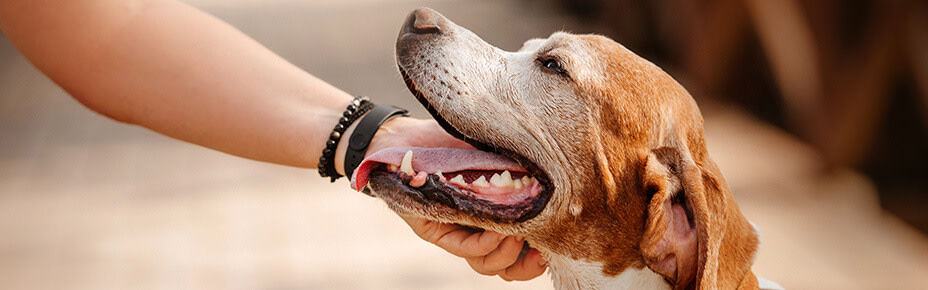
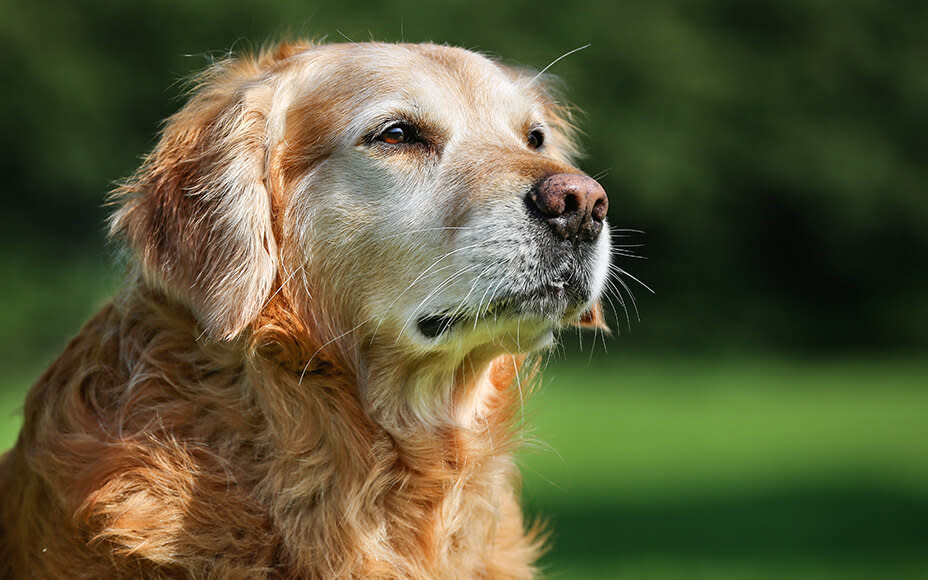
- Graying of the fur, especially around the face
- Gradual decline in vision, hearing, and sense of smell
- Less desire for long walks
- More resting periods
- Bladder weakness
What diseases occur in older dogs?
In general, age is not a disease - but unfortunately, aging often comes with age-related diseases.
The following diseases are more common in older age:
- Joint diseases such as arthritis
- Heart diseases like →heart cough
- Kidney diseases
- Liver diseases
- Dental diseases such as →tartar
- Metabolic diseases such as Cushing's disease, diabetes mellitus, or →hypothyroidism
- →Obesity or weight loss
- Uterine inflammation (in unspayed females)
- Dementia
How can I best support my senior dog?
Of course, your dog will change and become calmer with age, just like an aging person. However, this does not mean that the joy of dog life is over.
Here are some tips on how to best support your furry friend as they age:
Patience
One of the most important tips for living with a senior dog is: have patience and understanding. Life with an older dog is different than with a young dog.
Be patient if the walks are slower than before. Don’t be angry at your furry friend if they couldn’t hold their bladder until the next walk. Show understanding if your four-legged companion doesn’t come running at the first call like they used to.
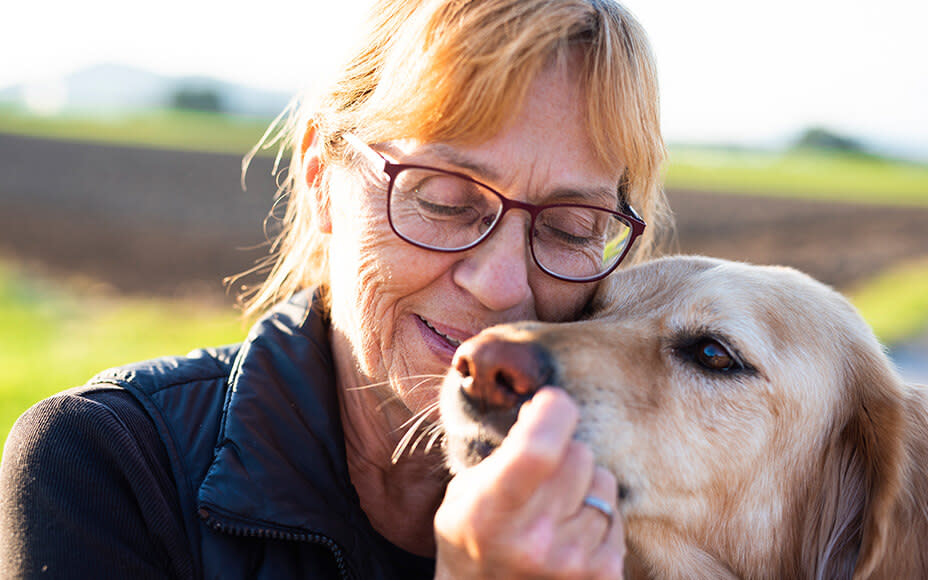
Enjoy the quiet time with your four-legged darling and pamper them with long petting sessions and →delicious snacks.
Ohne Altersbeschränkung - Leckere Snacks für deinen Senior
Regular veterinary check-ups
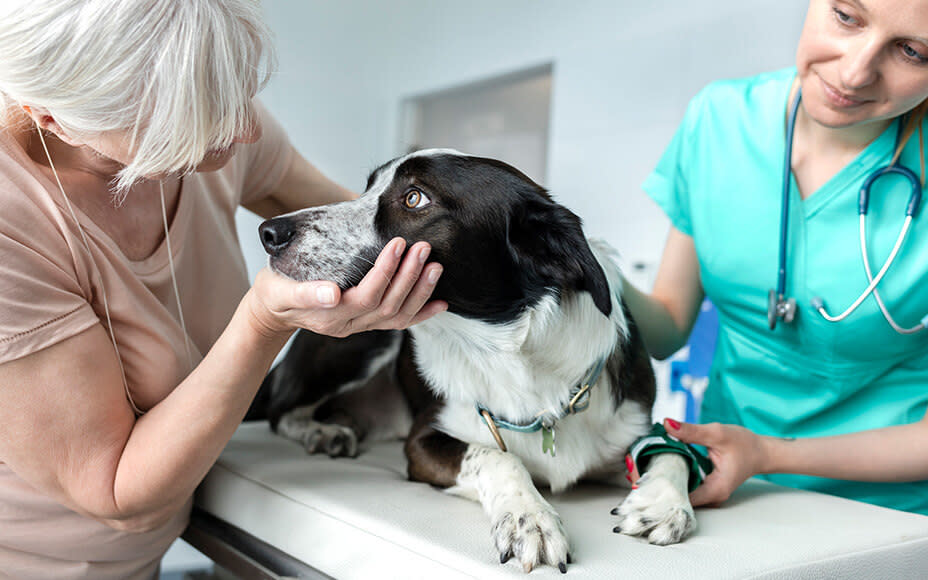
As you have already learned, some diseases are more common in older age and some signs of aging can also be the first symptoms of a disease. Therefore, regular veterinary check-ups are particularly important in old age to detect and treat potential diseases early.
Increased urination, for example, can be due to age-related bladder weakness. At the same time, it can also be a symptom of diseases such as diabetes mellitus, bladder infection, or Cushing's disease.
Less desire for long walks may either indicate age-related reduced activity or be a symptom caused by arthritis-related pain or other orthopedic problems that should be evaluated by a veterinarian. Our →joint tabs are ideal for supporting joint metabolism in osteoarthritis.
A reduced sense of smell can lead to a decreased appetite. However, if your four-legged friend suddenly doesn’t want to eat anymore, you should seek veterinary advice to rule out causes such as inflammation in the mouth area or pain as causes.
You know your four-legged friend best: Sudden behavioral changes should not always be accepted as a normal part of aging, but rather your darling should be examined by a veterinarian.
Feeding older dogs
A senior dog that spends most of the time relaxing on the couch has a lower energy requirement than a young dog that would love to romp around all day. Therefore, keep a close eye on your four-legged friend’s weight and reduce the amount of food if necessary. Obesity promotes diseases like diabetes, and the joints also suffer from excess weight.
Our →"Vet" joint wet food is ideally tailored to the needs of older dogs and simultaneously supports joint metabolism.
In contrast to obesity due to a lower energy requirement, some older dogs may experience a decreased sense of taste and smell, leading to a →decreased food intake. Here, it is often helpful to mix the food with a little warm water or palatability-enhancing →salmon oil. Salmon oil not only tastes particularly delicious but is also rich in omega-3 fatty acids, which can support joint health.
Feeding from an elevated food bowl relieves the joints and is preferred by some dogs that already have problems with arthritis.
Age-appropriate walks
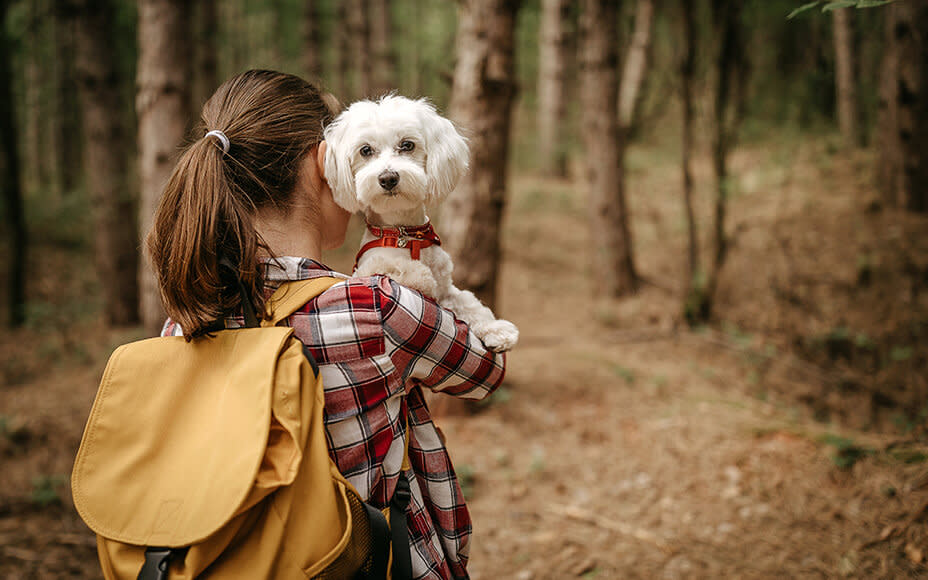
"You rust if you rest" - you might know this saying. Exercise is also important for older dogs, but you shouldn’t take your senior four-legged friend on long hikes anymore. Adjust the walks to your furry friend’s activity level. Feel free to take breaks more often; you can use those for extensive petting sessions.
If your senior dog gets stressed by lively young dogs, try to avoid such encounters. This will spare your furry friend unnecessary stress. However, contact with compatible dogs and familiar four-legged friends should not be neglected.
As [→winter](/magazin/hunde/hunde-gesundheit/so-schutzt-du-deinen-hund-im-winter) approaches and temperatures drop, always ensure that your senior dog does not get cold. Even if your furry friend had no problem with icy cold in their younger years, cold tolerance often decreases with age. If it seems to you that your dog is cold, it may be sensible to put a coat on them. The selection here is vast, so it’s best to consult a specialist store.
Senior-friendly home
Climbing stairs can be difficult for many older dogs with tired joints. Here, you should support your aging furry friend. Small dogs can usually be carried easily. For large dogs, there are carrying aids available in specialty stores for climbing stairs - it’s best to get advice in the store.
Non-slip floors make it easier for your senior to explore your apartment or house. For example, you can lay down runners with anti-slip protection in particularly slippery areas.
As you have already learned, vision often decreases with age. Our furry friends usually manage well in their own four walls. If you rearrange furniture or change something in the apartment, try to gently acclimate your four-legged friend to it. Show them with your voice and body contact where new things are located.
To keep your dog mentally fit, they will surely enjoy a few intelligence games. Hiding treats or feeding from an intelligence toy are good ways to mentally stimulate your furry friend even in old age.