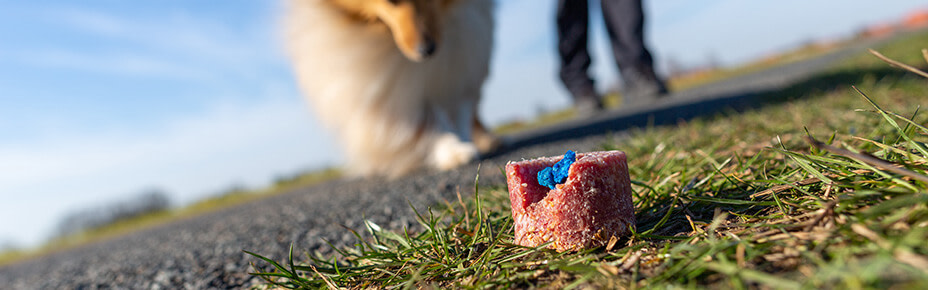
Poison Bait: What Threatens Your Four-Legged Friend?
“Caution, poison bait!” You have probably seen this sign hanging on a tree in the park. But what is it actually? And who is supposed to be baited? And what do poison baits for dogs look like? We want to explain all of this to you so that you can safely enjoy the outdoors with your dog.
Sad but true: some (un-)people seem to have a need to distribute treats filled with poison or sharp objects along roadsides, in parks, or on meadows to poison dogs. Most of the time, these are well camouflaged, so your furry friend may sniff out and eat the bait before you can react.
The 3 Most Dangerous Poison Baits for Dogs
1. Rat Poison
Known from many films and in pest control, rat poison is found in the possession of many people. But is rat poison also dangerous for dogs? Yes, the well-known poison is invisible and comes with devastating consequences for your beloved pet. This poison is usually used, as the name suggests, for the control of rats and other pests. When it comes to when symptoms appear after poisoning in dogs, rat poison is unfortunately particularly insidious, and you may not notice it right away. It acts very slowly, and your four-legged friend will initially develop inconspicuous symptoms like slight restlessness and apathy.
Primarily, rat poison causes a disruption of blood clotting, and ingestion can lead to internal bleeding. If your dog has eaten this poison or you suspect it, take your four-legged friend immediately to the veterinarian.

2. Snail Bait
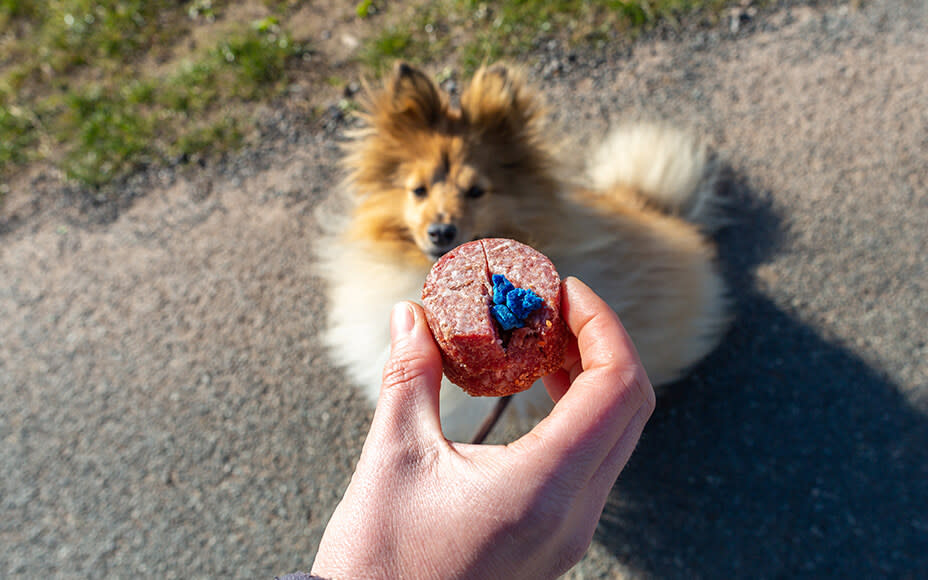
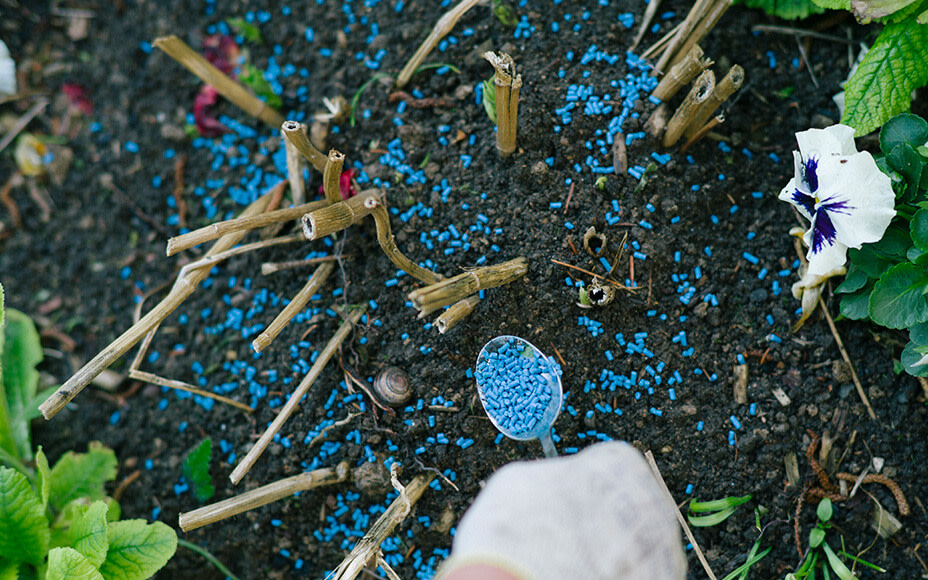
A sweet-tasting powder that becomes even more dangerous due to its appealing taste for dogs. Often used by gardeners and caretakers, colored snail bait can be non-toxic to dogs if only scattered in small doses.
In high concentrations, as is the case with a poison bait attack, it can be fatal to your beloved pet within 30-60 minutes without veterinary treatment. Severe heart racing, restlessness, and muscle tremors may indicate poisoning with snail bait.
The appearance of a poison bait varies greatly, but snail bait is relatively easy to recognize due to its blue color.
3. Nails, Razor Blades & Push Pins
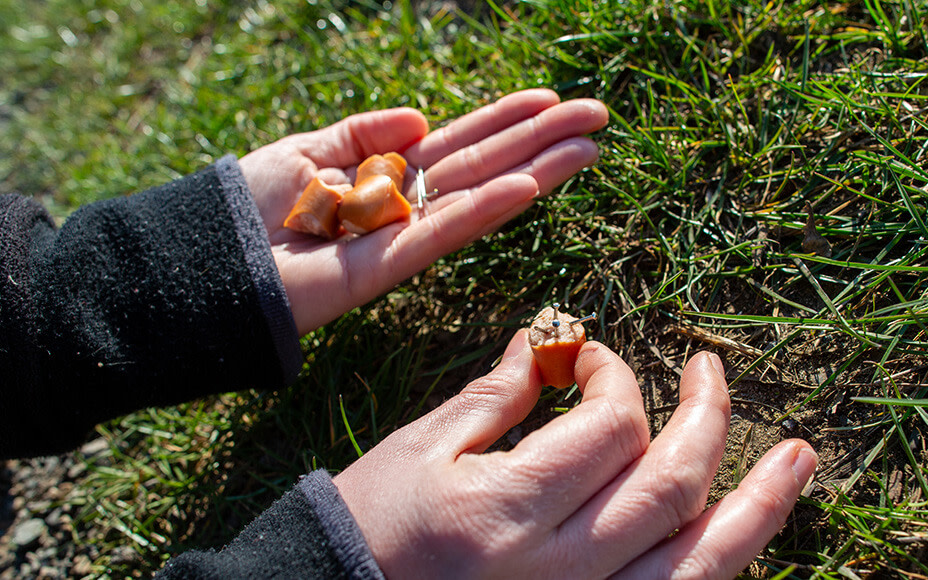
With direct, life-threatening effects. Often, these sharp objects are hidden in meatballs, sausages, or other foods that are interesting to dogs. Usually well camouflaged, they are not recognizable from the outside, and our furry friends only see a treat.
In the "best case," your four-legged friend injures the mucous membranes in the mouth, spits out the bait, and comes away with minor injuries. However, if your furry friend belongs to the category of dogs that underestimate the importance of chewing 40 times, the sharp object can quickly cause damage to the esophagus, stomach, and intestines.
Here, speed and first aid are crucial. Do not under any circumstances induce vomiting in your dog and seek a veterinarian.
I Suspect My Dog Has Eaten Poison or I Saw It. What Now?
If it's too late and you suspect your dog has been poisoned, quick action is required. If a sharp object was contained in the bait, your furry friend may indicate this by whining.
Important: If dogs eat poison bait, vomiting should never be induced, as this can worsen the situation. If the bait contained a toxic substance, you may not recognize it immediately, and a trained eye is needed. Observe your furry friend, as early signs of poisoning in dogs include symptoms like restlessness, cramps, trembling, and stomach pain. Often, the symptoms resemble behavior during a →seizure.
Your dog may also develop other signs over a shorter or longer period, such as vomiting and diarrhea up to unconsciousness with cardiac arrest.
If your beloved pet shows any of the above symptoms, a visit to the veterinarian is essential. If you saw how the dog ingested the bait, you should later secure the evidence, have it checked by the veterinarian, and file a report.

How Do I Prevent My Dog from Eating Poison Bait?
If your dog simply vacuums up all electronic devices in the vacuum cleaner test of the year and no bread crumb on the street is safe from him, then it’s time for a little training lesson.
The likelihood that he finds a piece of bratwurst filled with poison tasty is quite high. But don’t worry, there is a solution even for XS200-Labrador vacuumers like Marlo, and that is: training.
You can specifically teach your dog to only accept food from you and not to pick anything up from the street. This may be more challenging, especially for breeds that are generally not very picky and would sell their bed for a cheese cube, but with persistence and consistency, it is achievable.
If your dog does happen to snatch something from the roadside, it is beneficial that he can drop his food when you command him to. Practice this at home with his favorite snack that you offer him. Train the “Leave it!” and praise him extensively. Working with a treat pouch is also very suitable for this. Tips for training in your own four walls can be found here.