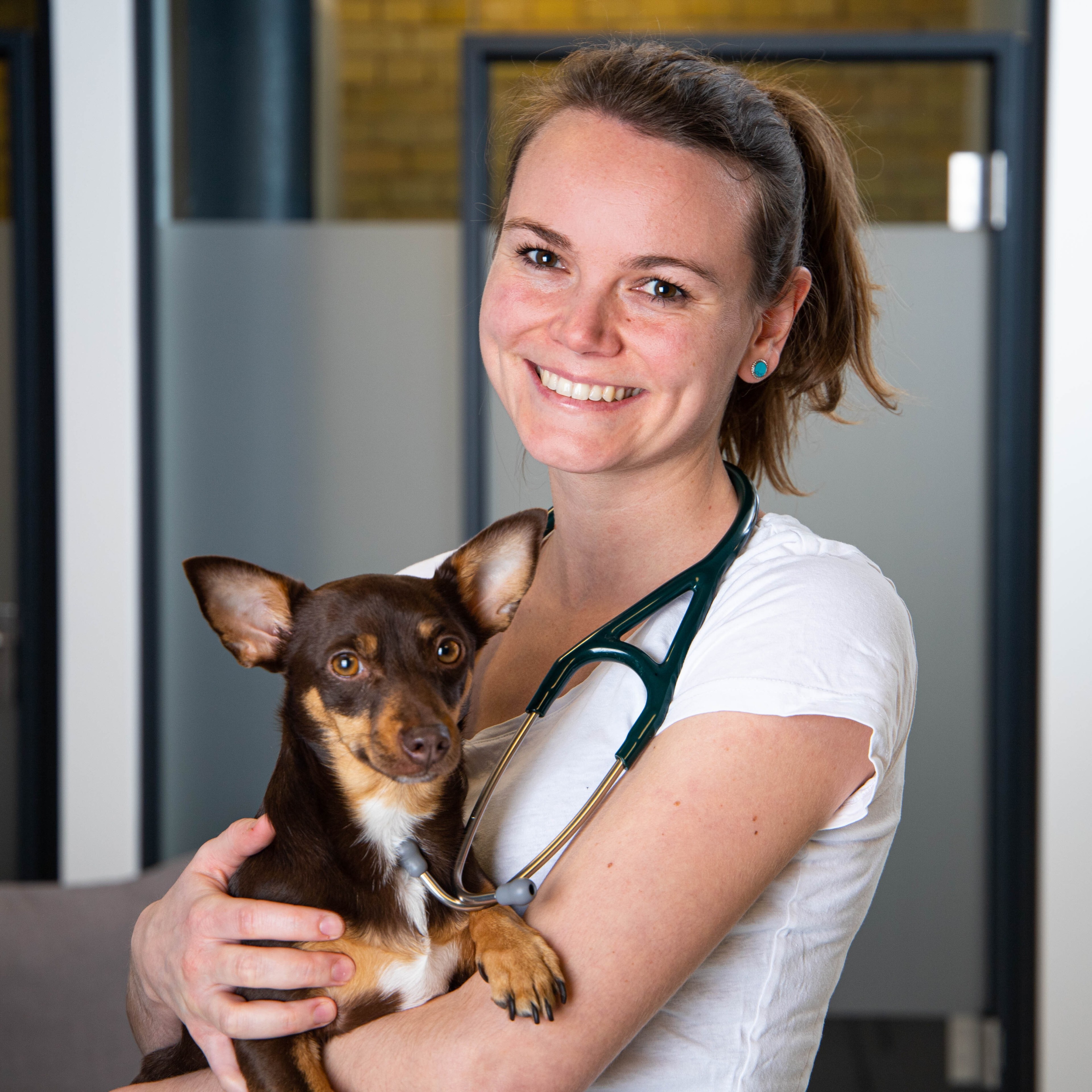
Should I have my female dog spayed?
Where previously most sources recommended spaying female dogs, today there are many critical opinions on the matter. The Animal Protection Act prohibits the removal or destruction of organs or body parts without medical reason. However, there are exceptions for preventing uncontrolled reproduction, which is applicable in the case of spaying.
The decision of whether to have your female dog spayed is a very individual one and depends on several factors. The opinions on this topic vary widely among dog owners, breeders, and veterinarians. This article will not make the decision for you, but rather aims to serve as a guide to help you make the right choice for your female dog.


What exactly is spaying?
The spaying of a female dog refers to the removal of the ovaries, resulting in infertility and the cessation of heat cycles in the animal. The operation is performed under general anesthesia and is an irreversible procedure.
Either only the ovaries are removed (*Ovariectomy*) or both the ovaries and the uterus (*Ovariohysterectomy*).
Unlike spaying, sterilization only involves cutting the connections between the ovaries and the uterus, known as the fallopian tubes. This makes the female dog infertile, but hormones continue to be produced and heat cycles remain. This surgical method is rarely performed.
Additionally, there is the option of chemical spaying through tablets or injections or hormone implants. These preparations suppress heat cycles for a time but are not a suitable permanent solution.
Advantages of spaying
There are various medical or preventive reasons that support spaying.
Infertility
The most important reason for spaying is to prevent reproductive capability. Your spayed female dog can no longer become pregnant. You can then let your female dog play freely with unspayed males without worrying about unwanted puppies. Some animal welfare organizations require that animals be spayed after adoption to ultimately reduce the number of animals in shelters.

Cessation of heat cycles and phantom pregnancies
Spaying not only prevents unwanted puppies but also the heat cycles and phantom pregnancies. Phantom pregnancy is a normal, hormone-induced condition that occurs in varying degrees in every female dog about two months after a heat cycle. Some female dogs suffer greatly from this hormonal influence and exhibit significant behavioral changes such as apathy, loss of appetite, or aggressive guarding of toys. If you feel that your female dog is suffering significantly, it may be worthwhile to consider spaying.
Consult your veterinarian regarding this matter.
Prevention
Spaying prevents the occurrence of a pus-filled uterine infection (*Pyometra*). In a pyometra, there is an accumulation and multiplication of bacteria and toxins, which often represents a life-threatening condition for the female dog. Spaying usually saves the lives of affected animals. However, this is an emergency surgery that carries a significantly higher risk than a preventive spaying.
According to studies, between 2-20% of unspayed female dogs develop a uterine infection by the age of 10, depending on the breed, making spaying definitely advantageous in this case.
Female dogs spayed before their second heat cycle have a significantly lower risk of developing mammary tumors. Additionally, tumors of the ovaries and uterus are prevented. Statistically, spaying slightly increases the life expectancy of female dogs.
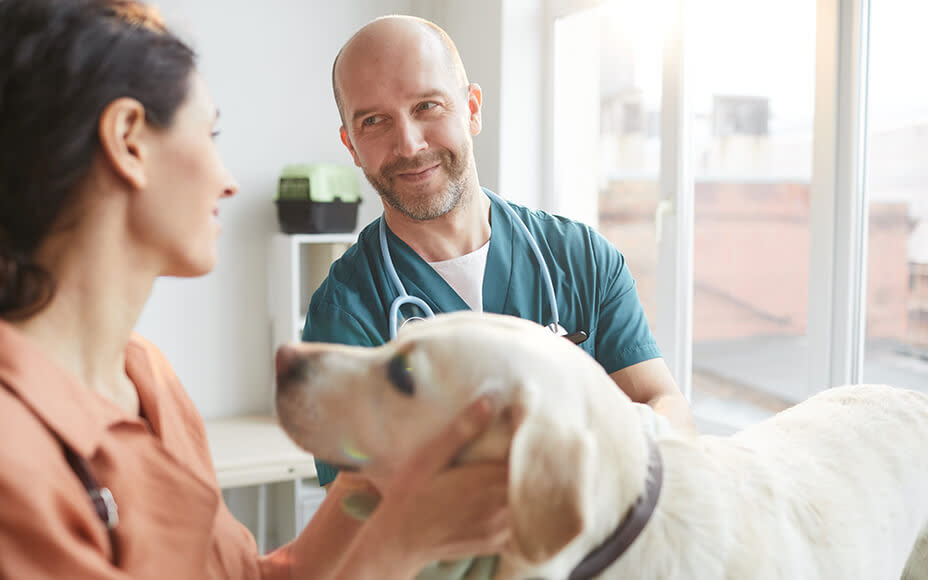
Disadvantages of spaying
Just as there are reasons for spaying your female dog, there are also reasons against it. You should weigh the pros and cons together with your veterinarian to make the right decision for your furry friend.
Incontinence
Urinary incontinence occurs in 5-20% of spayed female dogs and is therefore one of the most common side effects of spaying. Whether the timing of the surgery influences the occurrence of urinary incontinence is a subject of controversial discussion in the scientific community.
Urinary incontinence can usually be successfully treated with medication, but it requires lifelong administration of tablets. If your female dog suffers from this, you can hide the tablets in our tasty →liver pâtés to make administration easier.
Overweight
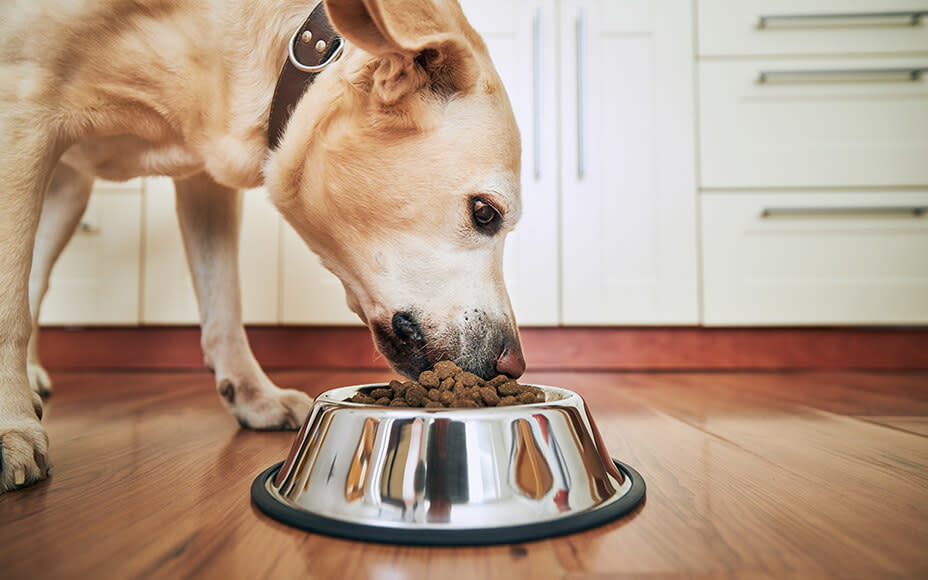
Studies show that spayed animals tend to be overweight and have a higher appetite. Depending on the study, up to 66% of female dogs suffer from being overweight. →Overweight is a risk factor for a number of diseases such as joint diseases. So be particularly mindful of a →healthy diet and sufficient exercise for your spayed female dog to avoid overweight.
Have you checked out our →delicious and healthy sample packs that offer the right option for every furry friend?
Hypothyroidism
The spaying of female dogs has been established by science as a risk factor for the development of →hypothyroidism (hypothyroidism).
Effects on the musculoskeletal system
Very early spaying during puppyhood or before the first heat cycle can lead to a delayed closure of the growth plates of the bones. The result is an extended growth phase, which can lead to various joint diseases. Additionally, spayed female dogs statistically have a higher risk of cruciate ligament tears than unspayed female dogs.
Coat changes
Some dog owners report coat changes in their female dogs. Especially in breeds with silky coats and/or red fur color, such as Irish Setters, Cocker Spaniels, and Longhaired Dachshunds, there may be an increased growth of undercoat, often referred to as puppy coat.
Behavioral changes
Spaying can lead to behavioral changes. It is possible, for example, that your female dog becomes more anxious or cautious, but increased aggression can also occur. Whether your female dog will be affected by behavioral changes and what type of changes will occur cannot be predicted. Several individual factors always play a role.

When should I have my female dog spayed?
You have decided on spaying and are now wondering when the perfect time for your dog's surgery is?
A spaying should not be performed during heat, as the tissue is particularly well-perfused at this time, increasing the surgical risk.
As you have learned, early spaying negatively affects bone growth. Additionally, your female dog only becomes "mature" with her first heat cycle. Spaying between the first and second heat cycle reduces the risk of mammary tumors. If your female dog is spayed after the third heat cycle, she has about the same risk of developing mammary tumors as unspayed female dogs.
From a veterinary perspective, spaying approximately three months after the first heat cycle is recommended. Of course, every female dog is different and unique, so you should definitely discuss the timing with your veterinarian.
How does spaying a female dog proceed?
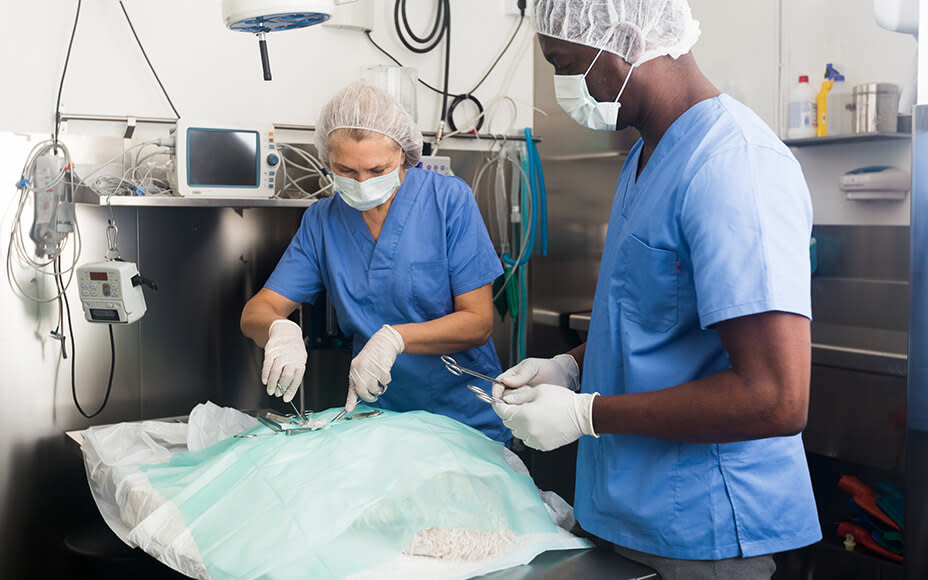
The spaying of a female dog is always performed under general anesthesia. General anesthesia and the surgery itself carry a certain risk depending on your dog's health status and age. Your veterinarian will inform you about the individual anesthesia risks for your female dog.
The surgical site on the abdomen will be generously shaved, cleaned, and disinfected. Then, an incision is made with a scalpel to open the abdominal cavity, and the ovaries and, if necessary, the entire uterus are removed. After that, the surgical wound is stitched up and covered with a bandage. Your female dog will be provided with pain relief during the surgery.
Your furry friend will need some time to fully wake up and be alert again. During this time, she should remain at the veterinary practice or clinic so that the veterinarians can quickly intervene in case of complications.
What should I pay attention to at home?
Your furry friend has successfully undergone the surgery and is recovering at home on the couch. There are a few things you should pay attention to at home.
1. It is very important that your female dog cannot scratch or bite the wound. A collar or a body, which you can obtain at your veterinary practice, is suitable for this purpose.
2. Additionally, no tension should be placed on the fresh surgical incision; otherwise, it is possible that the stitches will tear. This means: No running, jumping, or playing until your veterinarian gives permission. This leaves plenty of time for extensive cuddling.
3. You can surely imagine that such a fresh surgical wound hurts. Therefore, when you pick up your female dog from the veterinary practice, you will receive pain relief in the form of tablets or liquid to take home. Follow the treatment plan closely so that your female dog can recover pain-free.
4. Typically, your veterinarian will schedule follow-up appointments to assess the healing process of the wound. If you notice anything unusual outside of the follow-up appointments, such as blood or discharge from the surgical site, redness of the wound, a decreased general well-being of your female dog, or fever, you should promptly seek veterinary advice.
With uncomplicated healing of the wound, the skin stitches can be removed after 10-14 days.
A little tip: Our →delicious snacks are perfect as a reward after the successful veterinary visit or for scent games in the house.