Neutering Male Dogs - When is the Right Time?
Many owners not only come to the question of when is actually the right time for a neutering when it comes to →female dogs. The reasons for neutering dogs are diverse: Dominant and impulsive behavior is often the primary concern for male dogs when it comes to the procedure. But what actually happens during a neutering and at what age can and should the operation take place?
Overview of Dog Neutering
What is Neutering?
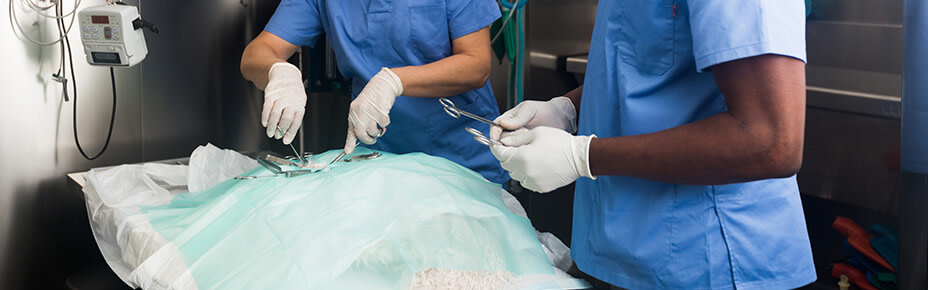
In a neutering procedure, the gonads are removed from male dogs. These are located in the testicles for males, while for females, they include the ovaries, fallopian tubes, uterus, and cervix. Unlike sterilization, where only the sperm or fallopian tubes are cut, neutering involves the removal of organs under general anesthesia. The procedure is irreversible, and according to animal welfare laws, a medical indication is necessary to have a dog neutered.

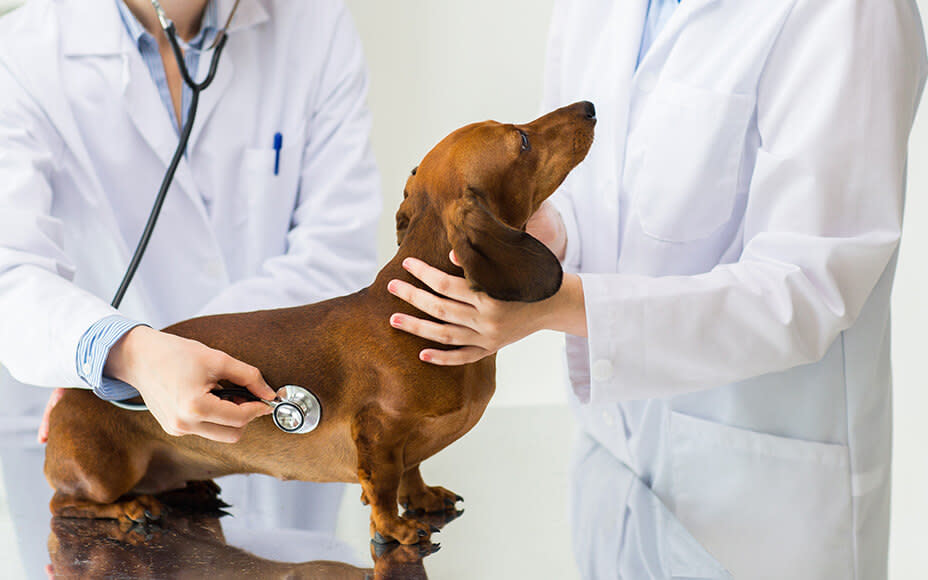
[TRANSLATION ERROR] Bei einer Kastration erfolgt die operative Entnahme von Keimdrüsen. Hunde sind dann nicht mehr fortpflanzungsfähig.
How Does Neutering in Male Dogs Work?
1. Shaving and disinfecting the area.
2. Pushing the testicle forward into the scrotum, incision in front of the scrotum.
3. Moving (accessory) testicles forward and clamping the spermatic cord.
4. Cutting and removing the testicles.
5. Stitching the incision.
Once all steps are completed and your furry friend has recovered from the initial shock, your brave four-legged companion can definitely be rewarded with a snack. However, wait until the anesthesia has worn off. With a tasty snack from Pets Deli, healthy indulgence becomes easy!
Gesund snacken war nie so lecker!
Before and After the Surgery: What Should Be Considered?
The duration of neutering in male dogs varies, but averages about 30 minutes. Your four-legged friend must not eat anything for 12 hours before the surgery and must be fasting. A small sip of water in the morning is allowed, but nothing should be drunk before the operation.
After the surgery, your four-legged friend will wake up from anesthesia and may be a bit groggy, with coordination not fully intact, and will require constant supervision in the first hours post-op. You should keep walks short in the first few days, as the wound needs to heal and your dog needs rest. Even small jumps, climbing stairs, etc. can stretch the wound, which can lead to bleeding in the first days. So check the wound daily - if anything seems off, you can have your four-legged friend examined at the veterinary practice.
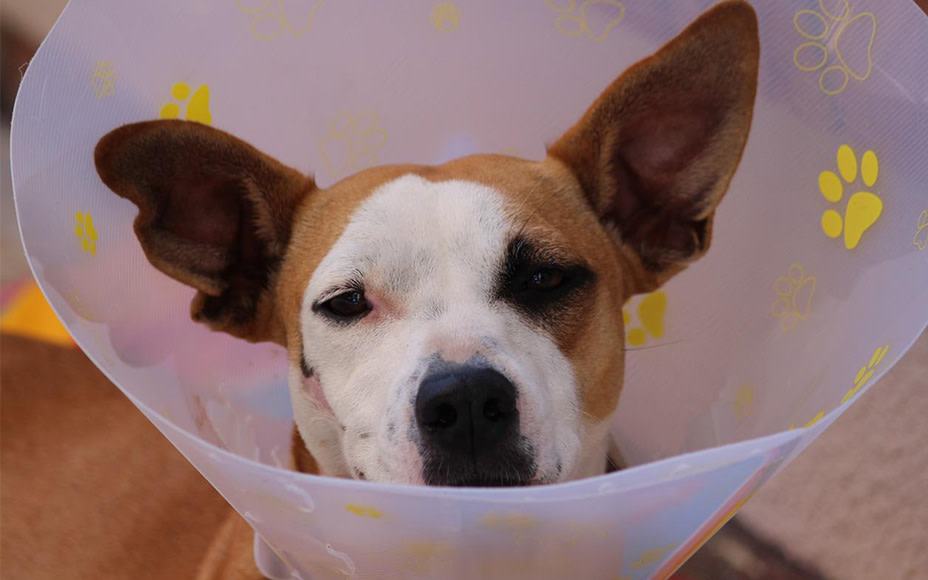
[TRANSLATION ERROR] Halskrausen hindern deinen Rüden daran, in den ersten 1-2 Wochen an der Wunde zu lecken und zu knabbern.
After 10 days, the stitches can be removed and to prevent your four-legged friend from nibbling at the wound, a collar or a body for dogs is recommended.
Neutered dogs often tend to gain weight and require less energy than intact males. You can then reduce the amount in the →feeding recommendations if your dog has been neutered. By the way, you lay the foundation for a healthy life with the food. Pay attention to a composition without grains, sugar, and artificial colors and flavors.
Our cans are packed with fresh meat, crunchy vegetables, and sweet fruit!


Reasons for Neutering Male Dogs: Proven or Not?
A surgery should never be performed without reason, as there are certain risks associated with general anesthesia. Arguments such as "Neutering solves behavioral problems and/or reduces cancer risk" currently lack evidence. Nevertheless, many owners seek neutering for their dog for these reasons.
However, neutering does not have proven benefits when it comes to obedience, dominance, and aggression. It is often forgotten that many dog breeds are naturally protective - and this tendency is not "erased" by neutering. If dogs tend to be disobedient and mount legs or other dogs, neutering will not bring improvement in almost all cases. Also, there is currently no evidence regarding cancer - a suspected reduction in cancer risk can only be assumed if dogs are neutered before sexual maturity, meaning essentially while still puppies.
What about the valid and proven reasons for neutering? Neutered dogs cannot reproduce. If your four-legged friend lives in a group with females and pregnancy should be avoided, neutering is one option alongside separating the dogs. The absence of hormones also leads to less stress in males - the constant searching and suffering from longing for →in-heat females is reduced. Other medical reasons include already diagnosed diseases - if a male dog develops testicular cancer, neutering is indeed the operation of choice. Other diseases that justify neutering in males include testicular torsion, cryptorchidism, or prostate problems.
The Right Time: When Should Dogs Be Neutered?
Once the decision is made and your veterinarian has concluded that there is a medical indication for neutering, the question of the right timing arises.
During the puberty of dogs, which begins around the 6th month of life, hormones are released that influence the physical and psychological development of dogs. Along with physical growth, there are also behavioral developments - your dog will mature. For example, sex hormones influence the structure of the bones and your dog's behavior. Early neutered dogs - that is, before sexual maturity - show a distinctly more juvenile behavior throughout their lives, and growth is inhibited. Therefore, neutering is advisable in almost all cases only after the end of puberty. Whether a dog is fully grown and developed can be determined by veterinarians. Generally, this is the case around the end of the first year of life.

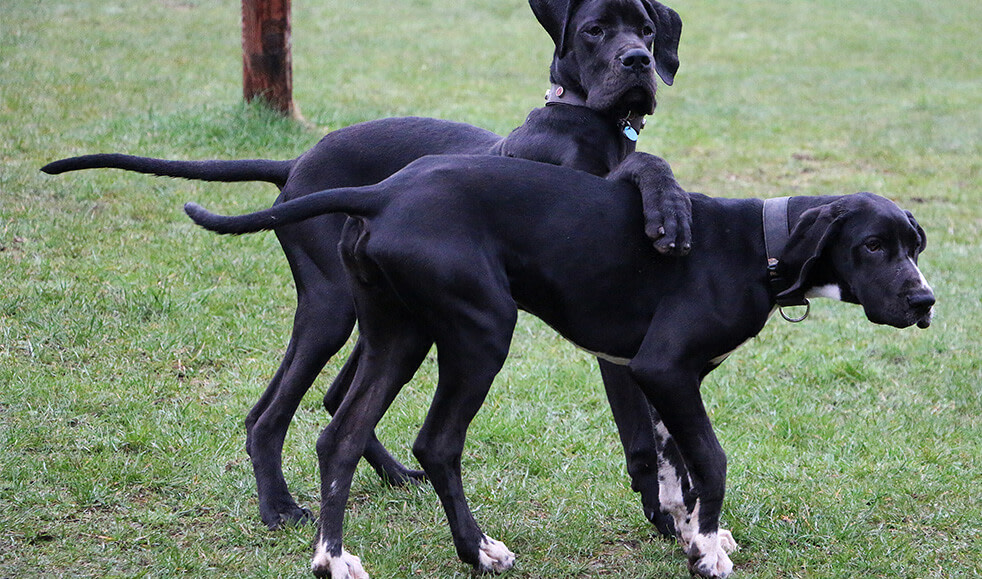
[TRANSLATION ERROR] Junge Rüden sind auf die Hormone bei ihrer körperlichen und geistigen Entwicklung angewiesen, weswegen mit der Kastration gewartet werden sollte, bis das Wachstum abgeschlossen ist.
"Temporary Neutering" - Neutering Chip for Male Dogs?
Because a surgical procedure like neutering in males must be medically justified and owners still hope for an improvement in territorial and aggressive behavior, some practices offer chemical neutering - thus a temporary neutering without direct intervention. This involves injecting a Suprelorin implant via a syringe, a type of chip that neuters a dog through the active ingredient Deslorelin. Testosterone and the ability to reproduce are suppressed for about 12-14 months - thus not only is an intervention avoided for the time being, but it is also possible to observe whether the hoped-for effects on behavior occur or not.