My dog has tartar - what now?
Tartar is an issue that every dog owner will have to deal with sooner or later. Dental diseases are the most common condition in dogs, affecting 80% of animals over 5 years old.
Our Pets Deli veterinarian Rebecca explains everything important about the formation, prevention, and treatment of tartar.
How do I recognize tartar?
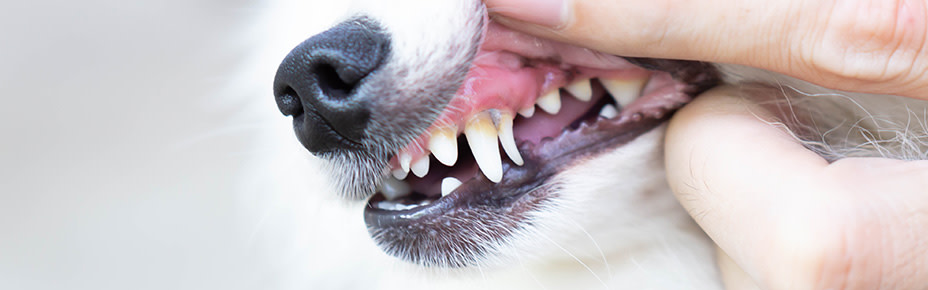
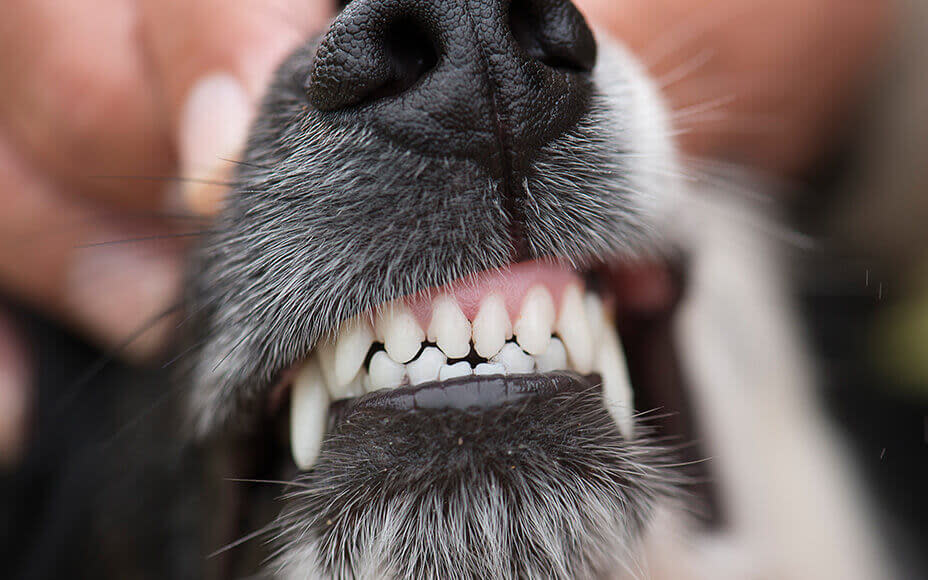
To recognize tartar, you just need to take a look inside your furry friend's mouth. Normally, the teeth of our four-legged companions are white, just like ours. The following symptoms indicate tartar:
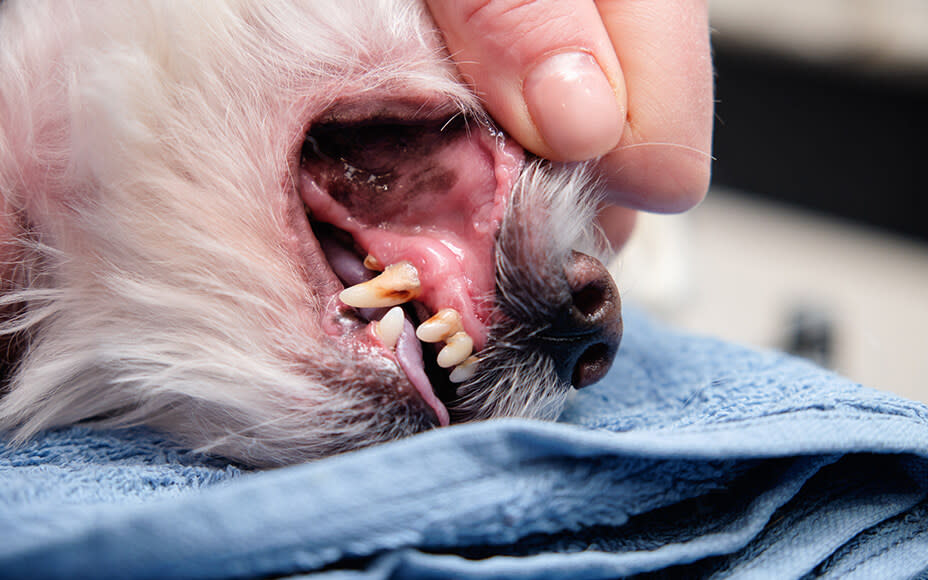
- yellowish-brown hard deposits on the teeth
- unpleasant mouth odor
- red, swollen, and sensitive gums indicate gum inflammation (gingivitis)
- reduced food intake due to pain from the inflammation or
- avoidance of hard food (e.g., dry food)
- swollen lymph nodes
- with long-lasting untreated inflammation, bacteria can also enter the bloodstream and damage other organs
Does your dog have bad breath? Our →Denta Powder can help your four-legged friend with bad breath.

Where does tartar come from?
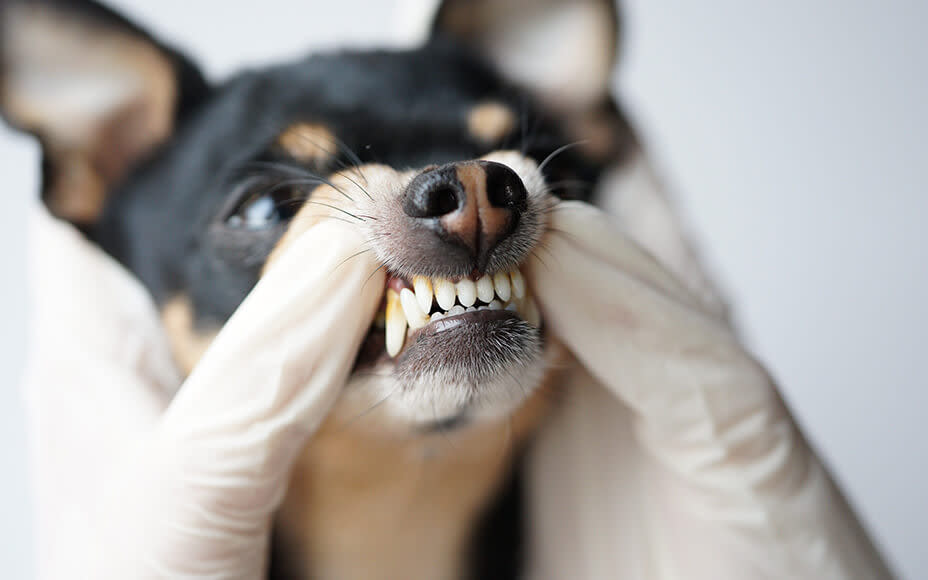
Before tartar forms, there is the so-called plaque. Plaque is a sticky biofilm formed by food residues, saliva, and shed cells on the teeth. This plaque provides an ideal food source for bacteria that multiply rapidly.
Through mineralization of the plaque, tartar ultimately forms, which is hard and difficult to remove compared to plaque. The bacteria in the plaque cause gum inflammation, which can be quite painful, just like in humans. As the disease progresses, the bacteria migrate into the transition between tooth and gum and can then also damage the tooth-supporting apparatus, the periodontium. This can lead to irreversible damage, where in the worst case, teeth need to be removed.
If tartar and inflammation of the tooth-supporting apparatus (periodontitis) remain untreated for a long time, it is possible for inflammatory cells to be washed out from the mouth into the bloodstream. This can affect and damage other organs.
Do all dogs get tartar?
As you have already learned, diseases of the oral cavity, especially tartar, are among the most common diseases in dogs. Almost every dog will struggle with tartar at some point in their life.
But why do some furry friends need a professional dental cleaning by the age of two, while others only need it in old age? There are certain genetic predispositions that favor early tartar formation. Additionally, small dogs tend to be more prone to tartar formation than large ones. Misalignments of teeth can also contribute to early tartar formation. The theory that wet food promotes tartar and dry food prevents it has not been scientifically confirmed so far.
How can I prevent tartar in my dog?
You have now heard a lot about how tartar is an unavoidable topic for every four-legged friend. But can you do something to prevent the problem? The answer is: Yes, you can.
Here are two important tips that you can implement at home to prevent tartar:
Brushing teeth
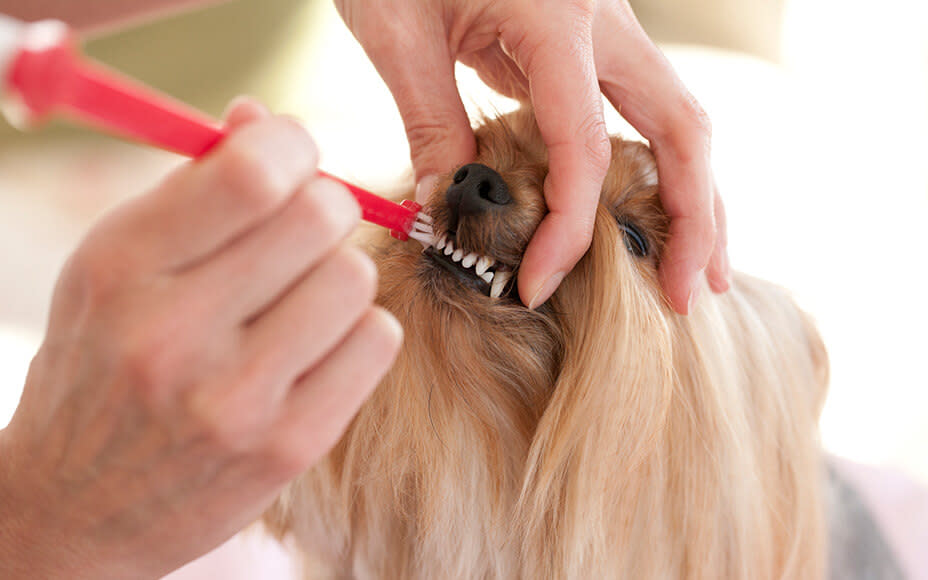
Yes, you read that right - dogs should also brush their teeth. As you have learned, tartar forms through the mineralization of plaque. If you remove this plaque mechanically through daily brushing, you can prevent tartar. There are special toothpaste and toothbrushes for dogs available in pet stores. Please do not use human toothpaste for your furry friend, as it is not suitable for dogs.
Brushing teeth in dogs takes some practice. Most furry friends do not like it when you suddenly try to brush their teeth. Be patient and take your time to slowly get your four-legged friend used to it. If you have a puppy, start the tooth brushing training early.
Dental care products
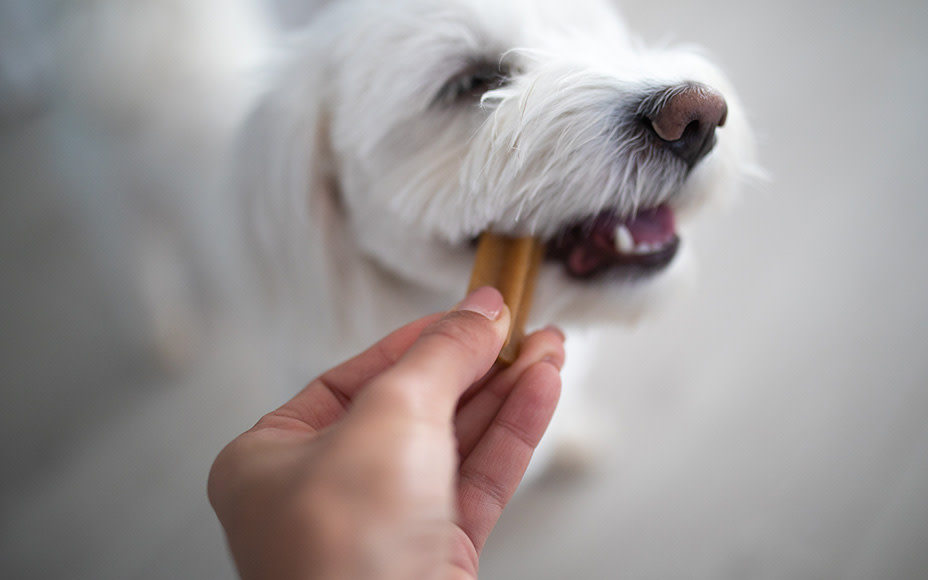
Here you have a wide choice. There are a variety of chew bones, sticks, and toothbrushes or treats. We also have some helpful →Denta Snacks for your beloved pet. Due to their special shape, texture, and ingredients, they can reduce the formation of tartar in dogs.
Of course, these products are not miracle cures. They will not completely free your furry friend's teeth from tartar, but they have a certain preventive effect and are therefore recommended for your four-legged companion. However, keep in mind that these dental care products are still treats with a lot of energy. Therefore, you should factor the amount of these dental care products into your furry friend's daily ration to help them maintain their ideal weight.
When does my four-legged friend need dental treatment?
You should always have the teeth examined during veterinary routine check-ups. This way, your veterinarian can alert you in time that veterinary dental treatment is necessary. At the latest, when tartar becomes excessive and the gums and tooth-supporting apparatus are inflamed, it is time for a professional dental treatment.
Even if your furry friend is very calm and well-behaved during tooth brushing, a full anesthesia is always necessary for a thorough dental examination and treatment. The risk of injury for both the four-legged friend and the treating personnel would be too great without anesthesia.
What happens during a dental treatment?
During a dental treatment, all teeth are thoroughly examined and cleaned of tartar. The tools used are similar to those you know from your dentist. Often, it is also necessary to take X-rays. These help assess the complete tooth including the root to determine if teeth need to be extracted.
Is it bad if my four-legged friend has teeth extracted?
Many dog owners worry when their furry friend needs to have one or more teeth extracted. No worries: Your four-legged companion can manage perfectly well with a few fewer teeth. Especially in older dogs, it may be necessary to have annual dental treatments and tooth extractions. Our →Joint-Fit wet food is still a real treat for your senior furry friend.
Don't forget, if teeth are irreversibly damaged due to tartar and the resulting inflammation of the gums and tooth-supporting apparatus, including the tooth root, they must be extracted. These damaged teeth are no longer useful for your furry friend and only cause pain and further inflammation.
In particularly severely affected dogs, it may be that eventually all teeth need to be extracted over the years. Our four-legged friends can get used to that too. Dry food will no longer be chewed, but well-soaked dry food or wet food is still quite possible.
Trust the veterinary opinion on when a dental treatment needs to be performed. Together, you will find a way to keep your four-legged friend's teeth healthy for as long as possible.