Symptoms of constipation: Recognize the signs early
Digestive problems and constipation can sometimes occur in dogs. If recognized in time they can be easily treated and your four-legged friend will quickly feel better again. Fortunately, the first signs of constipation are quite clear and easy to recognize. Watch out for the following symptoms:
Your dog passes small amounts of hard, dry stool, possibly with mucus on it.
Your dog tries several times to defecate unsuccessfully.
Your dog passes mucus and/or blood (so-called pseudo-diarrhea).
Other symptoms can include loss of appetite, lethargy, bloating, tenderness in the abdominal area as well as occasional →vomiting.
But when is it time to see the vet? A rule of thumb says that a dog usually defecates once or twice a day. Sometimes a minor constipation only lasts a day and your dog feels better on the next walk or the one after. In such cases, you don’t necessarily have to go to the vet. If you’re unsure, a call to a clinic can’t hurt.

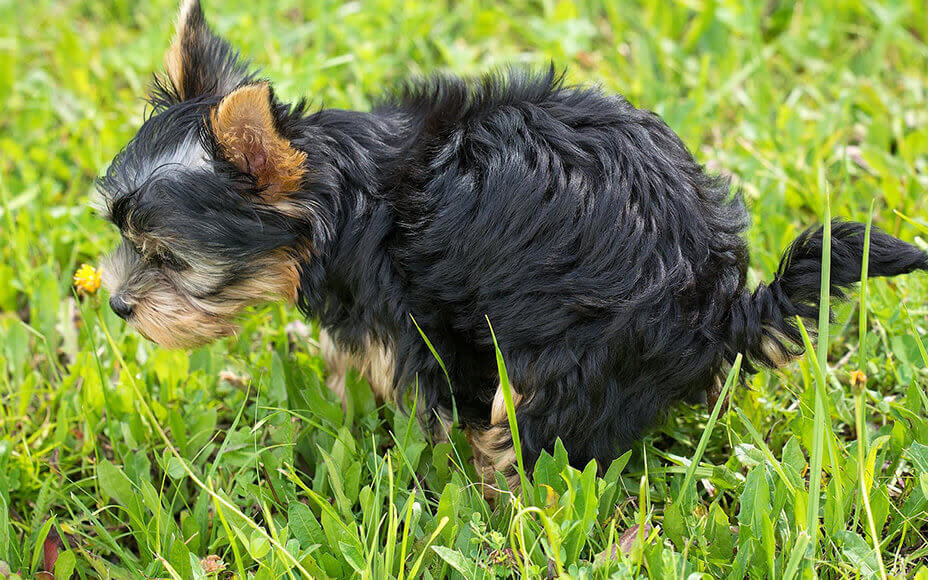
Unsuccessful attempts to defecate are a clear sign of constipation!
What are common causes of constipation?
There are many different reasons for constipation. These can be everyday habits, illnesses or anatomical peculiarities of your dog. Sometimes the causes are interrelated.
The most common reasons for constipation are:
improper diet
reduced intestinal activity, e.g. due to lack of exercise
intestinal obstruction
lack of fluids
medications, e.g. painkillers or antihistamines
metabolic disorders
pain in the rectal area
other serious illnesses such as →thyroid disorders or tumors
Your pet has constant digestive problems? That’s annoying. But a diet tailored to your dog’s needs can be quite simple. Here at Pets Deli, we have developed various foods for dogs with sensitive digestion. To support a healthy gastrointestinal tract, good stool consistency, and fewer digestive complaints.

For digestive issues, flatulence & more
Our food for dogs with sensitive digestion
How you can help your dog with acute constipation
If you notice that your dog can’t properly defecate, but is otherwise in good health, you don’t necessarily have to rush to a clinic. Observe him for one or two days and if the symptoms don’t improve, have him checked.
Until then, you can try to help your dog a little yourself. As always: If you’re unsure, it’s best to get advice from a vet, sometimes a phone call is enough. The most common home remedies for constipation in dogs include:
Plenty of relaxed walks: This ensures your dog has enough opportunities to defecate without being rushed. Exercise also stimulates bowel activity.
Fresh drinking water: Make sure your dog has enough fresh water available and also drinks.
Fennel or chamomile tea: Instead of water, you can also offer your dog cooled fennel or chamomile tea.
Milk, psyllium husks: Natural laxative foods like milk or psyllium husks can also help. You can mix small amounts into the food.
Linseed, bran: They can help to soften the stool in the intestines, making it easier to pass. To do this, mix either linseed or bran in a ratio of 1:10 with water and mix it into your dog’s food.
Fruit: Certain types of fruit such as apple, pear, apricot, or date can also have a laxative effect. However, they should only be given grated or pureed.
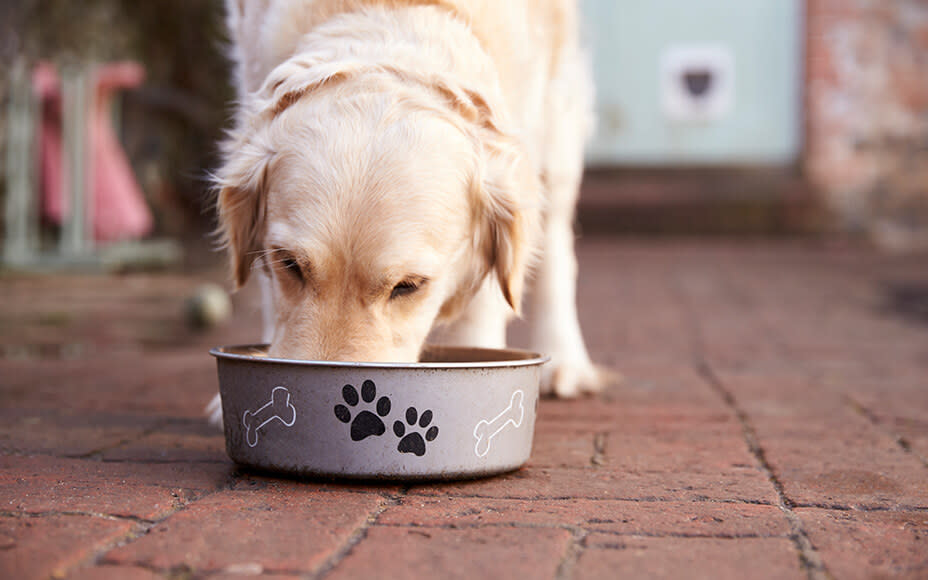
A healthy and species-appropriate diet prevents constipation in dogs.
When should you go to the vet?
Important: If you’re unsure, you can always go to the vet. But at the latest, if your dog has pain when defecating, shows loss of appetite and/or vomits, you should visit a practice. If possible, you can also collect a small stool sample from your dog and take it to the practice.
Treatment at the vet
There you will certainly be asked about your dog’s medical history and which medications have been given recently. To detect possible blockages, a rectal examination will also be performed. If you have a stool sample with you, it may be checked for bone fragments, hair, or other foreign bodies. In some cases, a urine or blood test may also be necessary.
In mild and acute cases a diet with liquid or soupy food as well as supplements to stimulate digestion is often prescribed. Sometimes a lactulose solution as a laxative is also given to make it easier for your dog to pass stool. If the gut flora is also damaged, supportive intestinal rehabilitation helps to restore it.
In cases of severe or chronic constipation or if the stool is hard and dry and contains bone fragments, the constipation must be resolved at the clinic. For this, the dog receives an infusion for hydration and an enema, to soften and manually remove the stool. Afterwards, further treatment as described above is usually necessary.
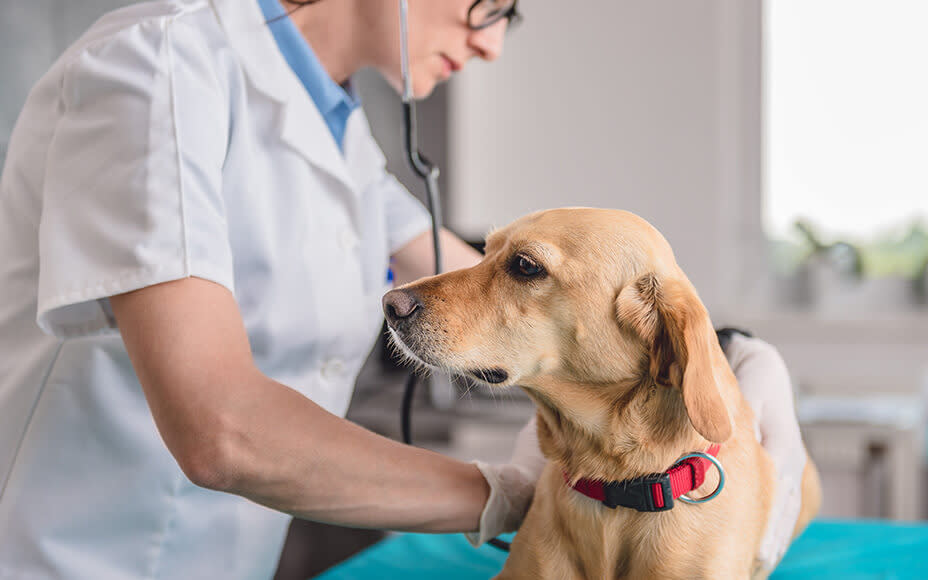
Constipation can usually be treated very well, so your furry friend will feel better again soon.
Preventing constipation: What you can do
To prevent your dog from suffering from constipation again or to avoid it in the first place, you can do a few simple things: The three most important things are
enough exercise and
access to fresh water.
Sounds simple – and it is! All three factors are part of a →species-appropriate lifestyle for your dog, promote a healthy gut flora and ensure good digestion. At Pets Deli, we strictly follow the findings on healthy nutrition for dogs. Still looking for the right food or want to lay the foundation for a healthy life?
Open up a can of joy for your dog!
If your dog suffers from irreversible twisting of the intestinal walls (megacolon) due to chronic constipation, plenty of time to defecate is very important. If medications cause constipation in your dog, they should be replaced with alternatives or discontinued after consulting your vet.