
What is kennel cough actually?
Kennel cough - you may have heard this term in connection with serious dog diseases, especially when it comes to animal protection abroad.
Kennel cough is a highly contagious disease of the upper respiratory tract, which primarily manifests through coughing, nasal discharge, gagging, →vomiting and →fever. The disease is triggered by various viruses and bacteria. The two main pathogens of kennel cough in dogs are parainfluenza (viruses) and Bordetella (bacteria).
Symptoms of kennel cough in dogs
The symptoms are usually quite clear and similar to the flu:
- harsh, barking, sometimes spasmodic cough (possibly not continuous, but only under exertion)
- mucus discharge when coughing (possible sign of pneumonia)
- gag reflex
- breathing difficulties
- runny nose
- conjunctivitis with purulent, teary eyes
- loss of appetite
- low tolerance for exertion
- in severe cases: fever, inflammation of the throat, tonsils, bronchi, trachea

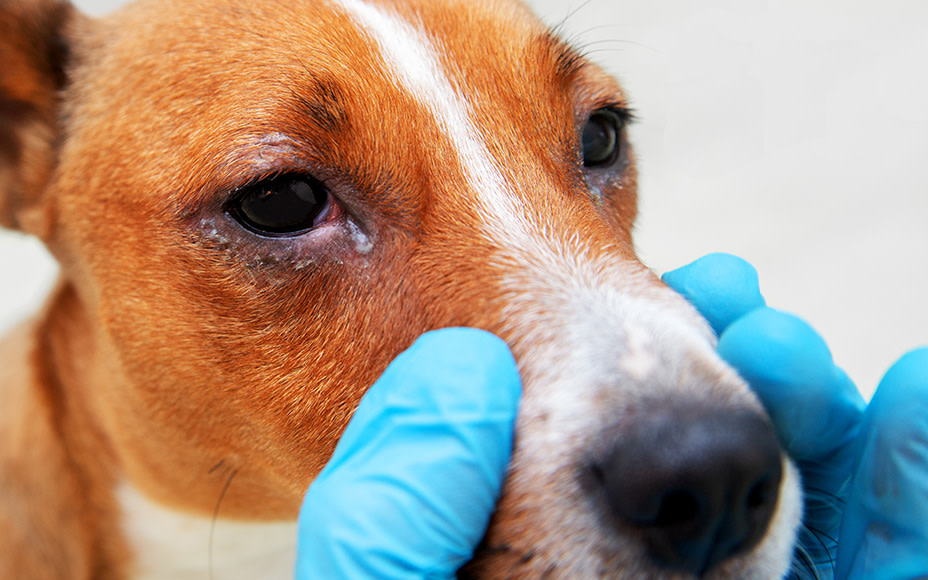
[TRANSLATION ERROR] Tränender Ausfluss, Schnupfen, Niesen, Husten - die Symptome für Zwingerhusten sind der Grippe ähnlich.
Cause of kennel cough in dogs
The cause of the disease is viruses and bacteria. Often the pathogens are the Canine Parainfluenza Virus (CPIV), the Canine Herpes Virus (CHV), the Canine Adeno Virus Type 2 (CAV-2), and the bacterium Bordetella bronchiseptica.
However, non-infectious factors can also trigger the disease. These include poor hygiene, very high or low temperatures, high humidity, physical and/or psychological stress, malnutrition, a weakened immune system, and untreated worm infestations - all conditions that often apply to rescued →animals from animal protection.
Dogs often first become infected with viruses, which colonize the bronchi and damage the airways. This makes it easy for bacteria or fungi to trigger a so-called secondary infection.
A →healthy and balanced diet as well as sufficient exercise and species-appropriate activity form the foundation for your pet's health and can help protect them from severe courses of illness.
Unser Futter für Hunde: gesund, ehrlich, lecker.
How can my dog get infected?
Dogs can easily become infected with kennel cough through a so-called droplet infection. This means that the transmission of the disease occurs through coughing, sneezing, or mutual sniffing. The pathogens can also stick to objects like dog toys, bowls, baskets, etc., and can be transmitted in this way.
Consequently, the risk of infection is particularly high where many dogs come together, such as in a kennel, at the training ground, or in dog school. Four-legged friends that are housed in animal shelters or come from animal protection abroad usually live with many dogs in close quarters. Therefore, there is also an increased risk of infection here.
Note that the disease can also be transmitted to other animals, such as cats living in the household. If your dog has contracted kennel cough, they are considered non-contagious only seven days after the last symptom of the illness. Before that, they can still spread the pathogens and should not have contact with other pets.
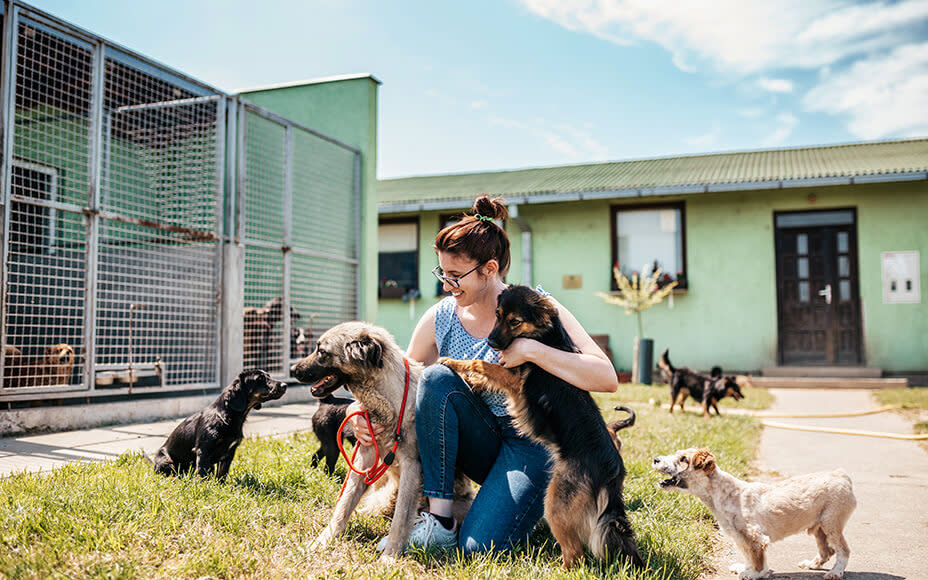
[TRANSLATION ERROR] Dort, wo viele Hunde aufeinandertreffen und auf engem Raum leben, können sie sich schneller mit Zwingerhusten anstecken.
Examinations & diagnosis of kennel cough
If you recognize any of the symptoms mentioned above and suspect that your pet might be ill, you should definitely visit a veterinary practice. There, the trachea of your pet will be examined to ensure that they haven't swallowed anything that could be causing the severe gagging and coughing. You will also likely be asked whether your dog has had recent contact with other dogs, whether they were housed in a kennel, or came from an animal shelter. All of this is important information that veterinarians need to make a diagnosis.
To find out which pathogen of kennel cough it is, a swab from the throat and a saliva test will be conducted. Based on this, the appropriate antibiotics can be prescribed. In more severe cases with pneumonia or suspected heart disease, an X-ray of the lungs and heart may also be taken, as well as a blood test.

Impfungen & Co.:
Wie oft muss ich mit dem Hund zum Tierarzt?
How is kennel cough treated?
Depending on your dog's condition, age, and severity of the disease, kennel cough subsides with the administration of medication after a few weeks. Depending on the symptoms, cough suppressants, immune boosters, expectorants, or fever-reducing medications may be prescribed.
If the disease is accompanied by a bacterial infection, the administration of antibiotics may also be advisable. Additionally, a →worm infestation such as with giardia further weakens your pet's immune system and must be treated with appropriate antiparasitics.
Some veterinarians also prescribe medications to strengthen the immune system. Our delicious snacks like liver pâté are perfect for deliciously administering medications to your dog!


Little tip: Due to the coughing, the throat and larynx may be irritated, causing pain when swallowing. If you notice that this is the case with your dog, you should soak the dry food in warm water or feed wet food until the symptoms subside. It is very important to remember that kennel cough is a highly contagious disease! So if your pet is sick, they should not play with their four-legged friends until they are completely healthy again.
What is the "bad" thing about kennel cough?
Coughing, runny nose, fever - at first glance, it just sounds like a nasty flu. But with kennel cough, it's different. Due to the compromised immune system and damaged mucous membranes of the airways, bacterial secondary infections often occur. In severe cases, the dog may struggle to fully recover from the illness and becomes recurrently ill several times a year with kennel cough.
In some dogs, complications such as pneumonia or tonsillitis may also occur. If the affected dog is very young or has a weakened immune system, for example due to a worm infestation, this can further complicate the course of the disease. If kennel cough is left untreated in such cases, the disease can ultimately end fatally.
But don't panic! This respiratory disease is usually not that dramatic. Still, we sincerely hope that your dog remains spared from it. If your pet does show symptoms like coughing, you can support them with some of our products and strengthen their immune system with our →Immune Boost Soft Bites. Our [→cough syrup](https://www.petsdeli.de/products/plus-husten-saft-fur-hunde) also naturally supports your pet's respiratory function with a valuable herbal mixture that can support the body's own defenses and is soothing for the throat and larynx.
Vaccination against kennel cough for prevention
To prevent your pet from becoming infected with kennel cough in the first place, there is a vaccination that is administered for prevention. This can be particularly useful if you are exposed to an increased risk of infection, for example through club sports, dog shows, regular visits to dog parks, if your dog goes to a kennel or daycare, or regularly encounters many dogs in close quarters elsewhere.
Unfortunately, there is no vaccination against all pathogens of kennel cough, and the vaccination does not provide 100 percent protection. However, it reduces the symptoms and protects against a severe course. There are two vaccines against kennel cough:
- A combination vaccine that, in addition to parvovirus, hepatitis, and distemper, also works against the parainfluenza virus (one of the pathogens of kennel cough).
- A vaccine against parainfluenza and Bordetella bronchiseptica (also a pathogen of kennel cough).
It is best to discuss with your veterinarian which of the vaccinations are sensible for your pet.

[TRANSLATION ERROR] Es gibt eine Impfung gegen zur Vorbeugung von Zwingerhusten, einen hundertprozentigen Schutz gibt es allerdings nicht.
A vaccination against kennel cough generally protects against the main causes of kennel cough and lasts for 12 months. It should therefore be refreshed annually. You can also decide to vaccinate at any time, for example before a risky situation such as a kennel, dog school, exhibition, breeder meeting, or similar.
Note that your dog can still become infected with kennel cough despite the vaccination. Due to the evolution of viral strains, a vaccination cannot guarantee 100 percent protection, but it significantly reduces the risk of infection.