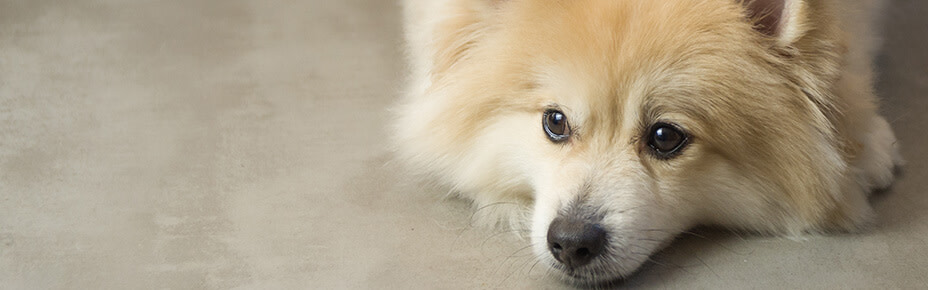
German Spitz - active, alert, cheerful
A fluffy companion with a big heart - not without reason is the Spitz one of the oldest German dog breeds. In the past, it guarded homes and farms; today, it is a cheerful, active family dog. Those who choose the Spitz have a vigilant and loyal friend by their side.
The Spitz in Portrait
Origin: Germany
Size: 20−22 cm (Dwarf Spitz), 26−29 cm (Small Spitz), 34−38 cm (Medium Spitz), 46−50 cm (Large Spitz), 49−55 cm (Wolf Spitz)
Weight: up to 3 kg (Dwarf Spitz), up to 5 kg (Small Spitz), up to 10 kg (Medium Spitz), up to 20 kg (Large and Wolf Spitz)
Life Expectancy: 12-16 years
Character: cheerful, self-confident, alert, very active

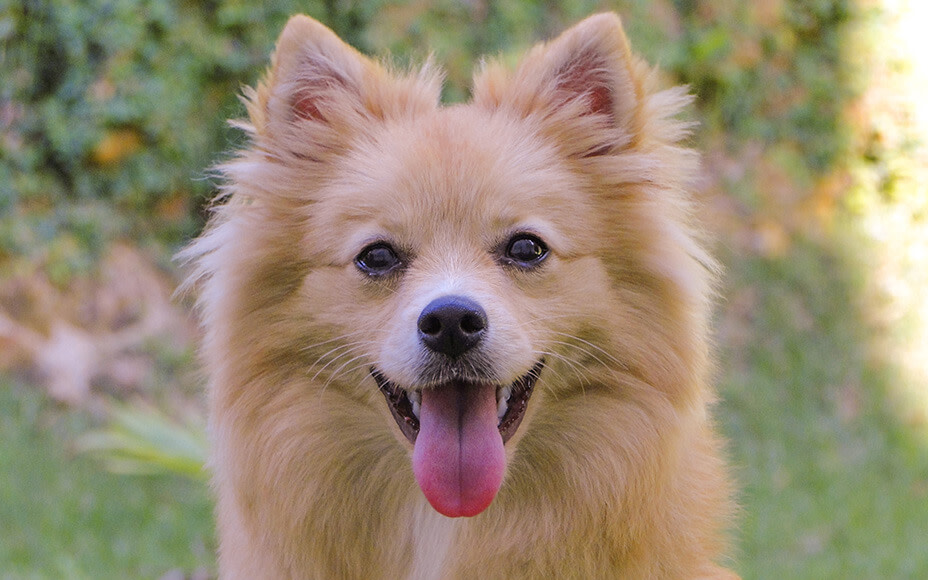
Character and Nature
With its cute and fluffy appearance, the Spitz breed seems like a true cuddle dog. However, it prefers to cuddle only with its family. The otherwise rather suspicious four-legged friend is a born watchdog and therefore brings a certain barking enthusiasm with it.
The Spitz is not a dog that likes to be alone. Once it has given its heart, it wants to be by your side every step of the way. The Spitz also loves children and enjoys extensive petting and play sessions.
Whether as a →Small Spitz or in wolf size - with increasing shoulder height, the desire for movement also increases. Activities or even dog sports are just as welcome to this active breed as a relaxed cuddle on the sofa with its humans.
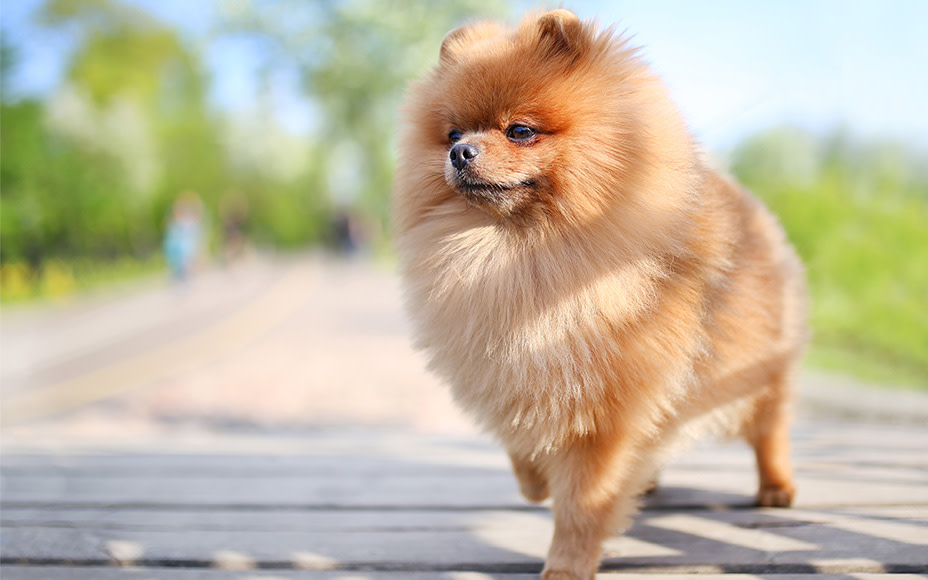
Training and Care
For the cheerful Spitz, there is nothing better than experiencing something together with its person. For this reason, it is more suitable as a companion and family dog. Although it is loyal due to its attachment, it also does not like to be alone. With a lot of patience and training, a few hours should not be a problem for it.
Whether in mini format or large Spitz - this breed is not a couch potato. On the contrary! Depending on its size, it is a willing companion for jogging, cycling trips, or hiking. Its weakly developed hunting instinct makes outings in nature a relaxing experience.
In principle, a Spitz is suitable for life in both the countryside and the city. However, due to its alert and barking nature, it may indicate noises in an apartment and have trouble settling down. If there are children in the household, a retreat area is absolutely necessary so that the active four-legged friend can calm down properly.
Those who choose the Spitz breed cannot avoid [→intensive coat care](https://www.petsdeli.de/magazin/hunde/hunde-gesundheit/fellwechsel-fellpflege-fellgesundheit-beim-hund). Daily brushing of the coat and regular visits to the groomer are on the agenda with the arrival of this four-legged friend.
Nutrition of the Spitz
The Spitz has special nutritional needs that must be considered. Due to their compact stature, Spitz tend to gain weight quickly. A balanced diet with controlled portion sizes helps to avoid obesity and the associated health problems such as joint strain or cardiovascular diseases. Additionally, Spitz are often prone to dental problems, which is why feeding with suitable food size and consistency can promote dental health.
Intolerances and allergies also occur in this breed. Therefore, a high-quality food with as few but well-tolerated ingredients as possible is recommended. For optimal care of your four-legged friend, take a look at our →special food for Spitz – perfectly tailored to the needs of this lovable dog breed.