Our Guide for Small Dog Breeds
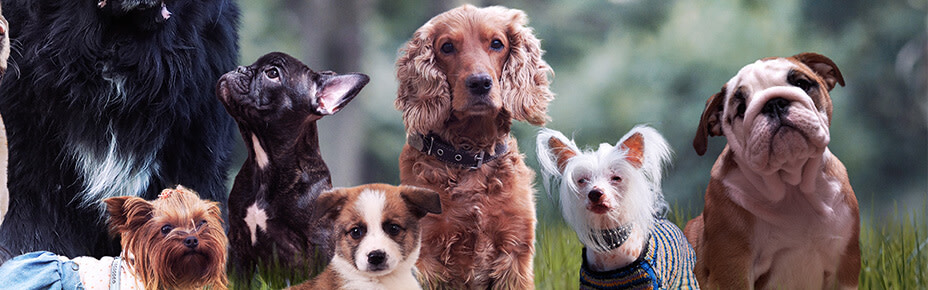
For dog breeds that are small, the rule is: small, but wow! Small dog breeds like Chihuahua, Jack Russell, Dachshund, or Spitz may have short legs, but they are in no way inferior to their long-legged counterparts in terms of needs. And because a terrier heart can give just as much love as that of a husky, our little ones also deserve their own guide. Whether energetic four-legged friends, fluffy small dog breeds, or small dog breeds that don't shed: the short-legged companions come in various facets.
Here you will find everything about the special features and needs of small dog breeds and we will show you why they only differ to a limited extent from those of large breeds.
Training Small Dog Breeds
There is often a rumor about small dogs that their size makes them easier to handle - and the cuteness factor also ensures that they enjoy a few advantages. Many freedoms, numerous cuddly toys, sleeping spots on beds and couches as far as the eye can see. However, consistency with small breeds is just as much the be-all and end-all for a relaxed and respectful coexistence as it is with larger ones.
Appropriate Exercise
Even small dogs can turn the everyday walk into a real stress act if they lack sufficient training, and their teeth won't shy away from the chair leg just because they are smaller. On the contrary: even the small ones among our four-legged friends were not originally meant for cuddling, but for the protection of home and yard as well as for hunting. The associated traits are still present in our four-legged companions today, and accordingly, training and appropriate exercise are important.

Small, yes, but not a Couch Potato
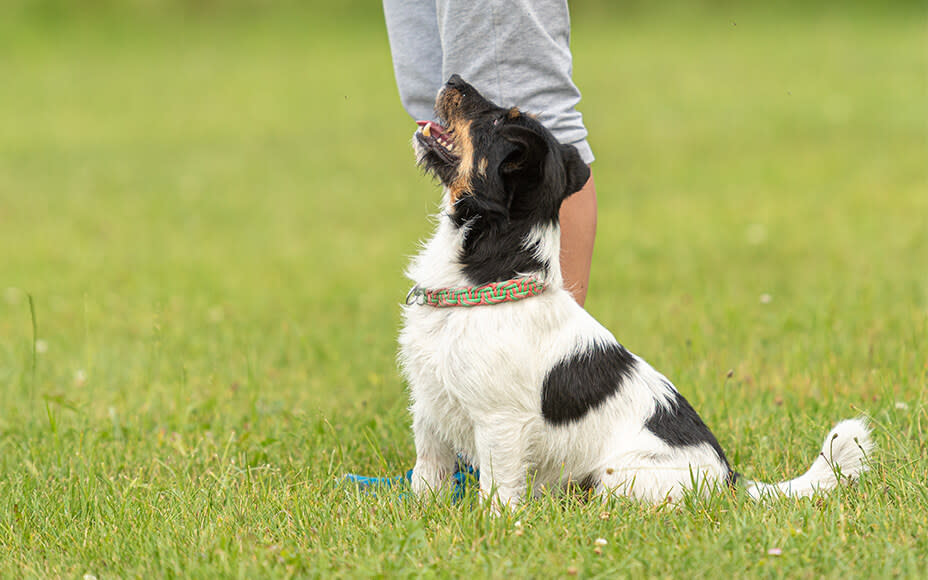
So if you want to turn your petite Yorkie or your →beautiful Pomsky into a couch potato, he will quickly start to dance around your nose. Small terriers are still terriers, which, like other dogs, need firm rules and structures. A good foundation for the proper training of small breeds is therefore to view them as full-fledged dogs and not to make exceptions.
Social Behavior in Small Breeds: Important from Day 1
You have probably seen a small dog being brought to safety by its owner in front of a large dog. But safe from what, and is that even necessary?
For dogs to be as compatible as possible in contact with others and to know how to react, regular social interaction from puppyhood is important. Puppies learn in play with others how to correctly interpret certain body signals and how to behave accordingly.
Let Them Gain Experience
This does not mean that Chihuahua puppy Maxi should run across the meadow with wolfhound puppy Fritz - in fact, the weight ratio must be considered here, as even a slight bump can lead to serious injuries.
Still, allow your small dog to have experiences with dogs of all sizes as often as possible. This can happen in a controlled manner with calm, older dogs or in playful interactions with dogs of similar sizes. And don’t worry about rejections: if there’s a slight growl, you shouldn’t immediately scoop your dog up and carry him, but rather give him the chance to grow from the situation.
This way, you can learn together how important social interaction is and that conflicts are part of it, as long as they don’t lead to injuries. If you don’t want your dog to become the “typical little yapper” as soon as he sees another dog, this tip is a good starting point.
Small Dog Breeds at a Glance
Whether long-haired or short-haired, curly or straight, fluffy or more bristly: the small dog breeds are that diverse.
Small Dog Breeds That Don’t Shed
Particularly popular among small furry friends are the small dog breeds that don’t shed. Understandably, one does not want to swing the vacuum cleaner every few minutes in their own four walls or have half the dog's coat on their sweater. Unfortunately, we must preface: There is (so far) no dog that does not shed at all. However, there are small dog breeds that tend to shed less. The stage is yours!
- Poodle
- all Poodle mixes like Cockapoo, Golden Doodle, Labradoodle
- Havanese
- Maltese
- Schnauzer
- Papillon
- Bolonka-Zwetna
- Yorkshire Terrier
The Right Nutrition for Small Dog Breeds
Small dogs are real dogs - not an accessory for the handbag and with big needs. If they differ from their larger counterparts, it is definitely in the type and amount of food, as the →feeding recommendations depend, among other things, on the weight of your four-legged friend. Here, too, the cuteness factor often comes into play, and so there are multiple snacks throughout the day and always a bite from the lunch table.
Small Stomach, Yet More Food?
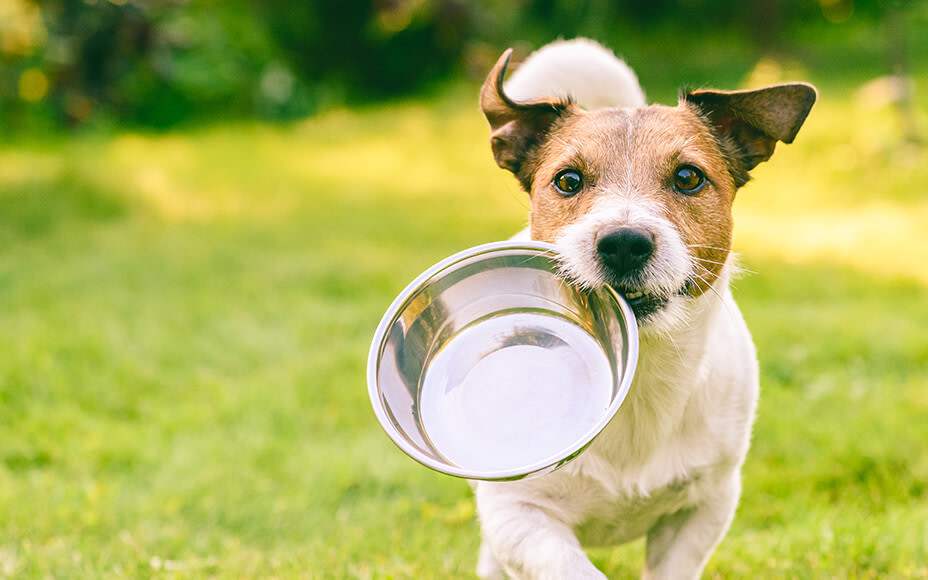
However, small dogs have a small stomach and need significantly less food per day, the lighter and smaller they become. Relatively speaking, compared to larger breeds, they actually need more food and have an increased energy requirement. Therefore, it is advisable to always adhere to the respective, precisely developed feeding recommendations. If your dog gets a snack in between, you should adjust the feeding amount accordingly.
Kleine Portion, großer Geschmack - Pets Deli MINI
Food Pieces for Small Mouths
They also differ from their larger counterparts in terms of food acceptance - small dogs are often pickier when it comes to their food. Due to their smaller jaws and teeth, it is often difficult for the little ones to eat large food pieces or dry food kibbles. An adjusted size of these is therefore all the more important and ensures better acceptance.
While large dog breeds can easily consume more than an entire can a day, the smallest don’t even reach half. The result: an opened can in the fridge that sometimes lasts for several days.