Finding the Right Dog Breed
To find your lifelong four-legged companion, it is important that you agree on most points regarding your lifestyles. If sports and many hours outdoors shape your daily life, you will hardly be truly happy with a pug by your side. If you take things more relaxed and power isn't your thing, you and a Border Collie won't be true friends either.
Character is Key - the Lid to Your Pot
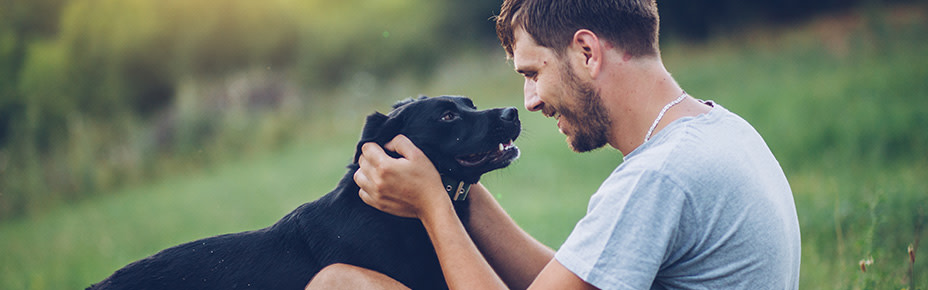
Every pot has its lid - and to find your four-legged lid, you should consider which character traits are important to you in a dog. Dogs that are very people-oriented and cuddly demand this and require more attention than those that are loners and know how to occupy themselves alone.

Finding the Right Character Trait
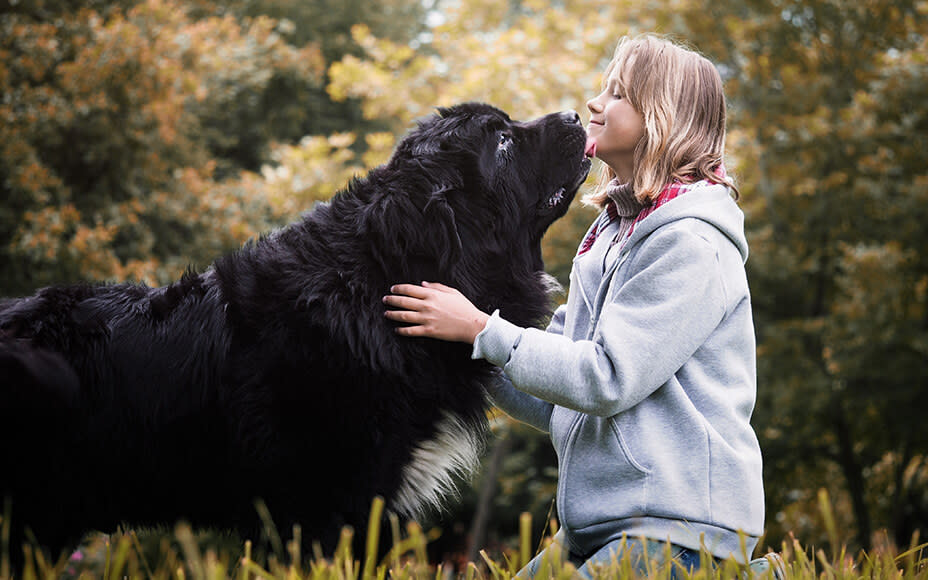
Of course, there are other traits to consider when making your selection. For example, not every dog is suitable for beginners and requires corresponding prior experience in dog ownership. This particularly includes breeds such as hunting, protection, and herding dogs. Such breeds include Akita Inu, Shiba Inu, Laika, Doberman, Beagle, German Shepherd, and Rhodesian Ridgeback.
Short Coat or Long Hair?
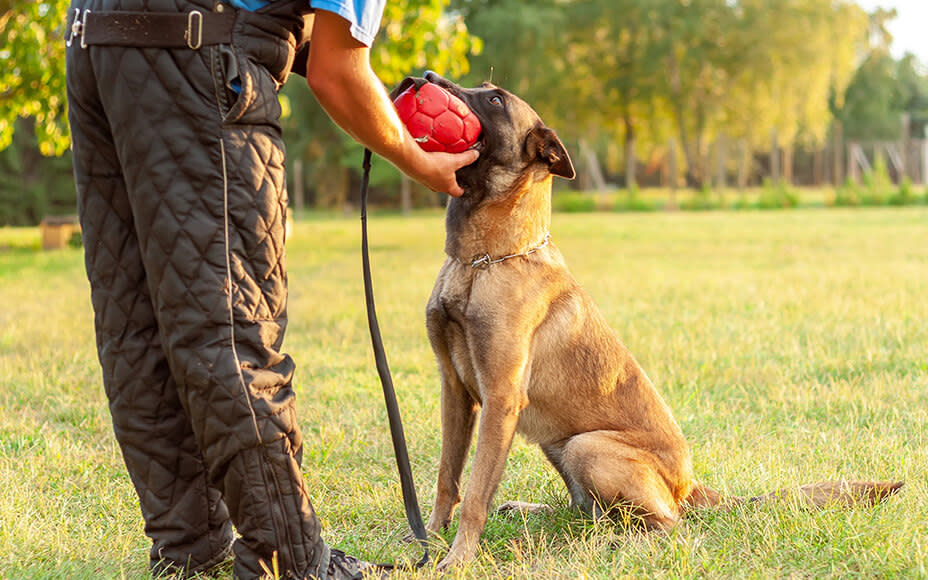
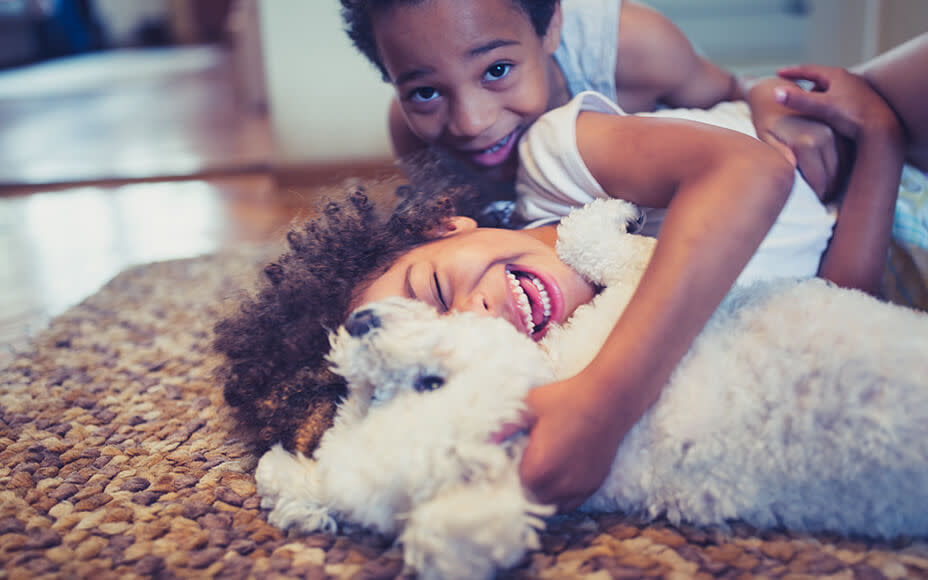
As different as dog breeds are in character, so are the various coat types. Whether you prefer wavy, cuddly fur like that of a Maltese or Bobtail, or millimeter-short fur like that of a Beagle or Labrador, you should decide in advance.
Dogs with long fur require →intensive, daily grooming. Regular brushing and detangling prevent matting and →itching and help keep the coat healthy.
Short fur means shorter grooming processes, but it doesn't mean your home won't be covered in loose hair. Even short-haired four-legged friends turn your four walls into an XXL version of themselves during shedding season - in terms of hair loss, all coat types are quite similar. Interestingly, neutered and older dogs lose more hair than intact and younger dogs.
The Right Coat Length for Every Taste
Size Matters
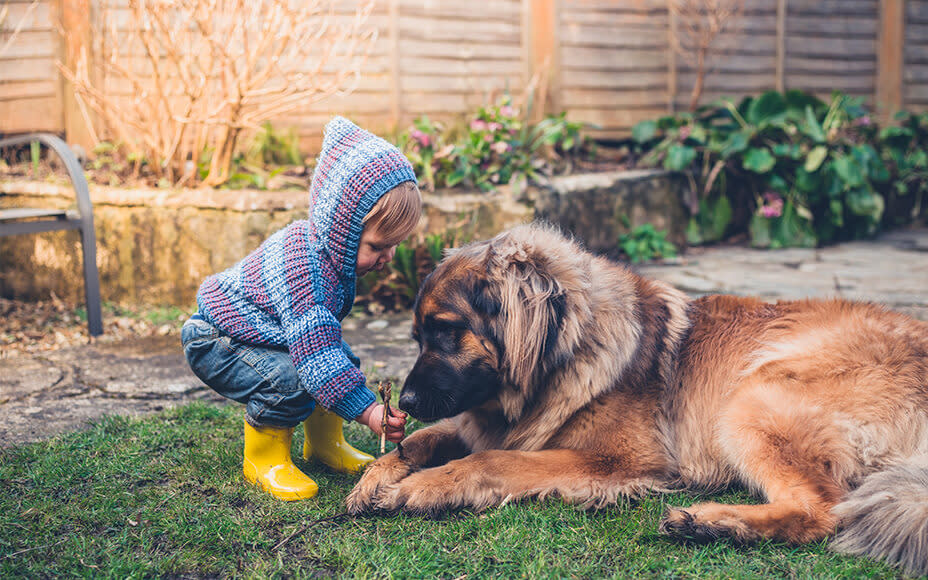
...at least when it comes to questions about the space, manageability, and transport of your future furry friend. Of course, not every Great Dane uses its full body weight, and even small breeds like the Beagle can put in a good effort. Nevertheless, you should think about which body size would be appropriate and best fits your living and life situation before acquiring a dog.
The Different Breed Sizes at a Glance
You and Your Dog - A Good Feeling
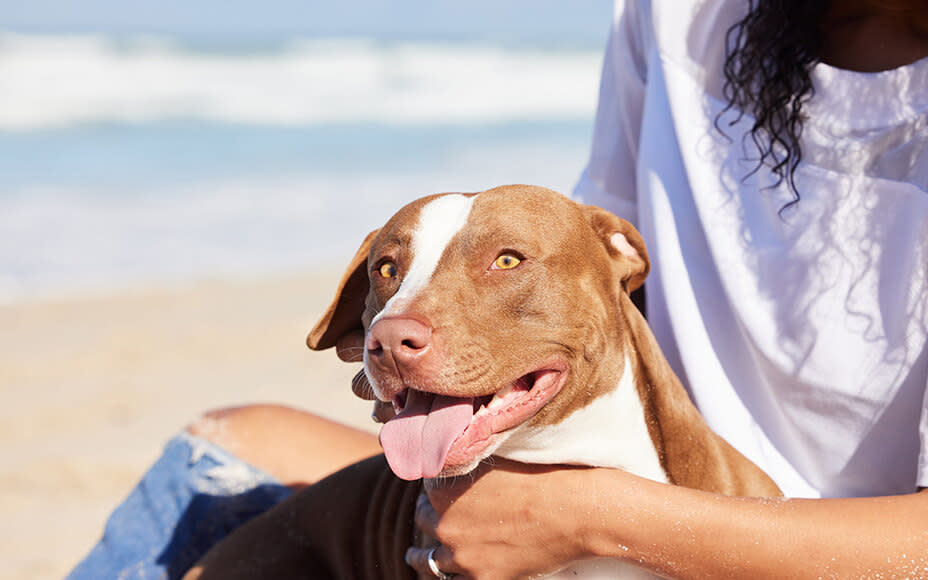
Of course, choosing a specific dog breed is no guarantee that you and your four-legged friend will ultimately be on the same wavelength. To get a sense of whether your choice might be the right one, contact reputable breeders and get to know the selected breed better.
If you decide, after extensive research, to adopt a dog →from a shelter or rescue, the breed may matter less, and you can decide based on other factors whether a dog suits you.
Training Your Dog: Step by Step to the Dream Team
So, once you have decided on a four-legged friend, you can use their character traits to →train your dog. No dog is obedient from birth or enjoys being alone, and at this point, your patience and perseverance are required when it comes to "shaping" your dog with the →right training. Once you have gotten to know each other and built trust, nothing stands in the way of your path to becoming a dream team.