
Buying Puppies: Breeder, Animal Protection, or Private? Here's What You Should Pay Attention To!
Buying a →puppy has become easier than one might like. Due to the high demand, the puppy trade is booming like never before. But how do you recognize dubious ads on the internet? What distinguishes breeders from mass breeders? And how do you identify a trustworthy animal protection organization? Thanks to our checklists, you are well-informed and will definitely not fall for any sales tricks!
Buying a Puppy from a Breeder
Most people get a puppy of a specific →dog breed from a breeder. The problem here is: The term "breeder" is not protected. This means anyone can call themselves a breeder, even animal traders from abroad who pass puppies on to Germany. For this reason, it is very important that you inform yourself sufficiently about the sellers before buying your puppy.

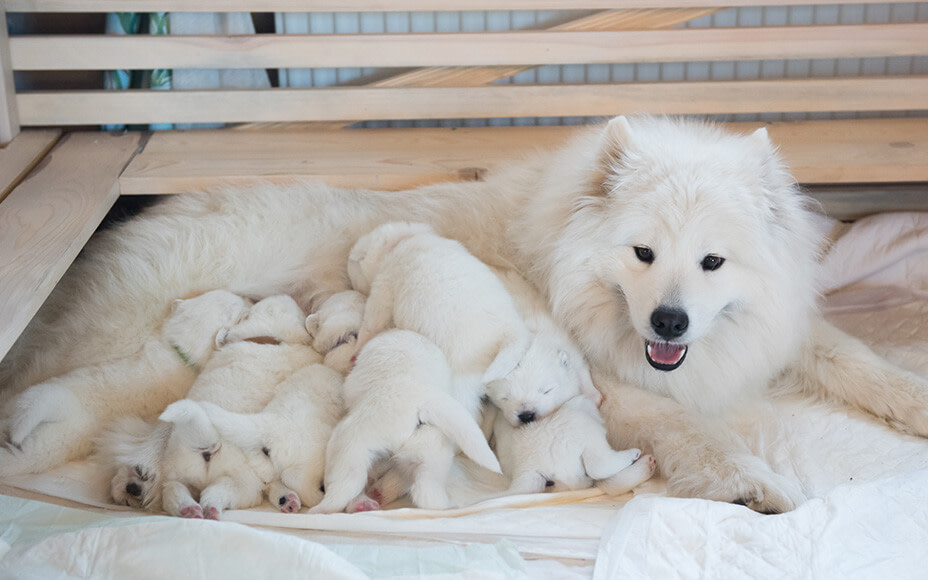
Hobby Breeding, Mass Breeders, or Commercial Breeding
- A hobby breeder (often also referred to as a mass breeder) is allowed to keep only one or two breeding females of a breed and can expect one to a maximum of two litters per year. Therefore, they are not subject to the legal requirements for commercial dog breeders.
However, the control options by legislators for hobby breeders are limited. Thus, alongside responsible hobby breeders, there are also some "black sheep" who engage in dubious puppy trading.
- It is referred to as commercial dog breeding when breeders own three or more breeding females or expect three or more litters per year (§11, 8a of the Animal Protection Act). Such breeding requires a permit from the responsible veterinary office. Additionally, the person must be a member of a breeding association and must meet certain requirements.
Checklist: How to Recognize Serious Breeders:
- The puppies have a → vaccination passport with initial mandatory vaccinations, a pedigree, are microchipped, dewormed, have a health certificate, and possibly an EU pet passport.
- The breeder has a kennel book/breeding book. If there are more than two breeds and four litters per year, you should be cautious.
- You are provided with a proper and complete purchase contract.
- You are allowed to visit the breeder several times at home and see the living conditions of the animals.
- The mother dog is on-site and can be met.
- Both the puppies and the mother dog appear healthy and lively.
- The mother dog treats the puppies carefully and lovingly.
- The puppies have a playful and adventurous spirit, are not underweight, fearful, or apathetic.
- The environment appears clean, bright, and warm. Sufficient → toys and drinking water are available for the puppies.
- → The price is not ridiculously cheap or excessively expensive.
- You are offered several visiting appointments.
- The breeders are interested in you, ask questions, and may want to conduct a pre-check.
- The puppies are at least 8 weeks old at the time of pickup.
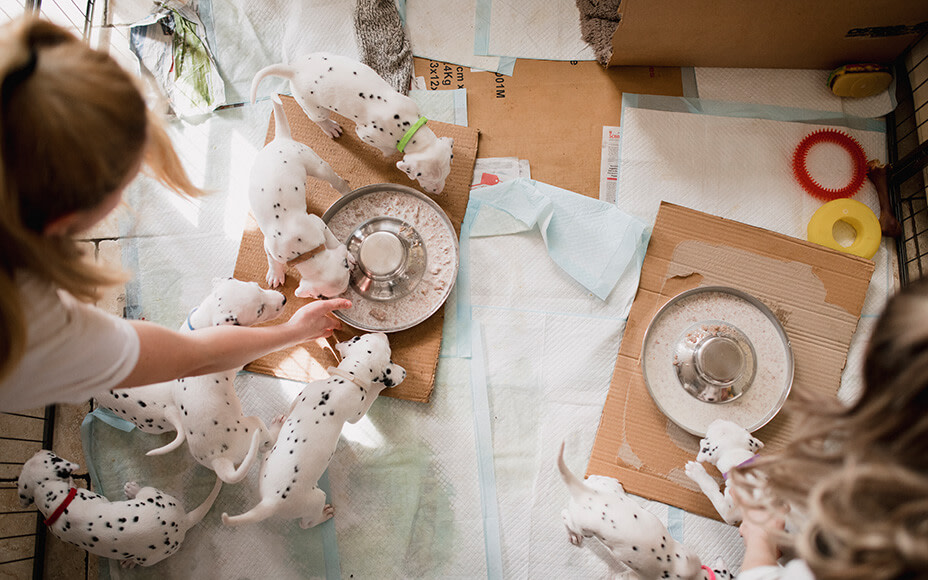
Little tip: Are you getting a puppy from a breeder? The little ones need →special puppy food at first. Ask the previous owners what food they have given the puppy and continue with the familiar food for a stress-free →food transition. Later, you can switch to other puppy food.
Für die Kleinen das Leckerste - unser Welpenfutter


Buying Puppies from (Foreign) Animal Protection
When it comes to animal protection and puppies from abroad, certain circumstances make things a bit different. If the puppy is still abroad, it is more difficult to assess how it is doing and what the conditions are like on-site. If the puppy is already in a foster home or an animal shelter in Germany, the adoption process is somewhat easier.
As with breeders, the purchase of a puppy from animal protection should not be rushed, well thought out, and even better researched! But there are also a few indicators you can follow to identify the "black sheep" among the animal protection organizations.
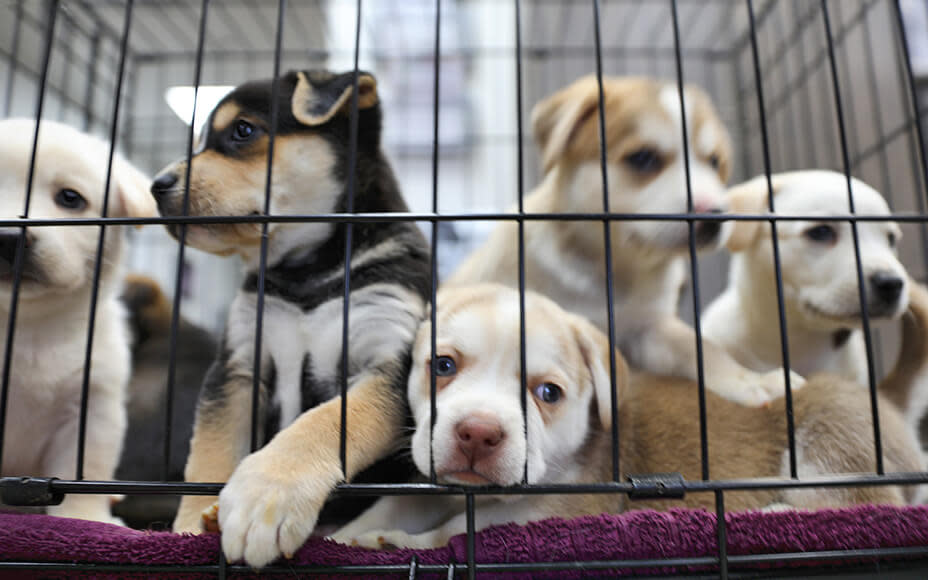
Checklist: How to Recognize Serious Animal Protection Organizations:
- The organization is registered and ideally non-profit. If this is the case, you will find "e.V." for "registered association" at the end of the organization's name. Additionally, check the imprint of the website. Here you will also find information about non-profit status. Often, only German organizations that are active abroad are non-profit, as non-profit law applies in Germany and Austria.
- A well-maintained website and Facebook page are available. Posts and job advertisements are current.
- There are reviews and testimonials available online and on social media.
- The organization has animals of all ages, not just puppies. If puppies are offered for adoption, you should always ask about the mother dog. The goal of serious animal protection organizations should always be to take in the puppies together with the mother and, at the appropriate time, also find a new home for the mother dog.
- The organization is involved in other animal protection issues besides adoption and collects donations, participates in projects, and provides educational work on the website.
- Animals that are adopted should all be vaccinated, microchipped, and checked for Mediterranean diseases. Other diseases should not be concealed but openly addressed. While this is rare for puppies, a look through other ads from the organization can show how the issue is handled.
- All information about the animal, such as age, origin, character, and traits, as well as proof of medical history and vaccinations, should be included in the ad.
- The puppy should not be younger than eight weeks at the time of departure, preferably not younger than four months. The reason for this is that animals from abroad are often weakened by malnutrition and health problems. Additionally, the stress of traveling to Germany and the unknown germs for the dog's organism can be dangerous for most dogs, especially puppies.
- A pre-check and possibly a follow-up check are conducted. Serious organizations take the time to get to know you and ensure what the potential new home for the animal looks like. In rental situations, some organizations even require a written permission from the landlord to keep a pet.
- The organization provides sufficient photos and video material of the animal. They are happy to answer all your questions and may send you current and additional video material.
- The animal comes with a vaccination passport and possibly an EU pet passport.
- There is a protection or purchase contract. The protection fee is reasonable and usually ranges from 200 to 400 euros. Serious organizations strive to be transparent about how the protection fee is composed in detail. Additionally, a written transfer contract before taking in the animal for the protection of both parties is not uncommon.
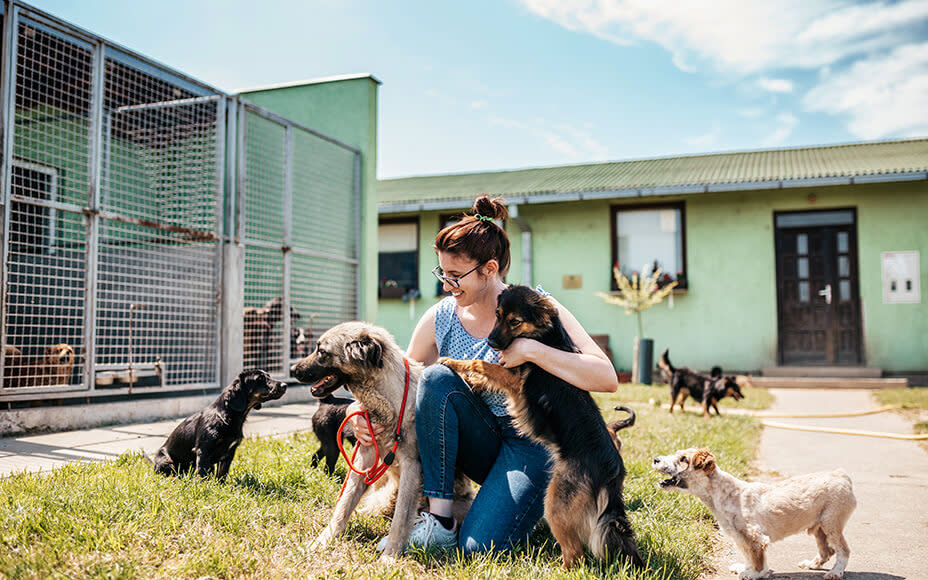
Puppies from shelters or foreign animal protection also deserve a loving →initial equipment. Pamper your darling with a soft bed, delicious puppy food, and a nice collar!
Alles beisammen: Unsere Erstausstattung für Welpen


Buying Puppies through Classified Ads from Private Individuals
The digital age makes it possible for you to buy your puppy with a click on the internet. What sounds macabre can also end unpleasantly, as there are some fraudsters and "black sheep" in the puppy trade on the World Wide Web.
Of course, these days, hardly any search for a puppy can avoid internet research. Within a few clicks, you land on numerous online platforms with many cute ads for puppies. "Dog from private for adoption due to health reasons" - here you should be cautious, ask a lot of questions, and not let yourself be swayed by cute puppy pictures!
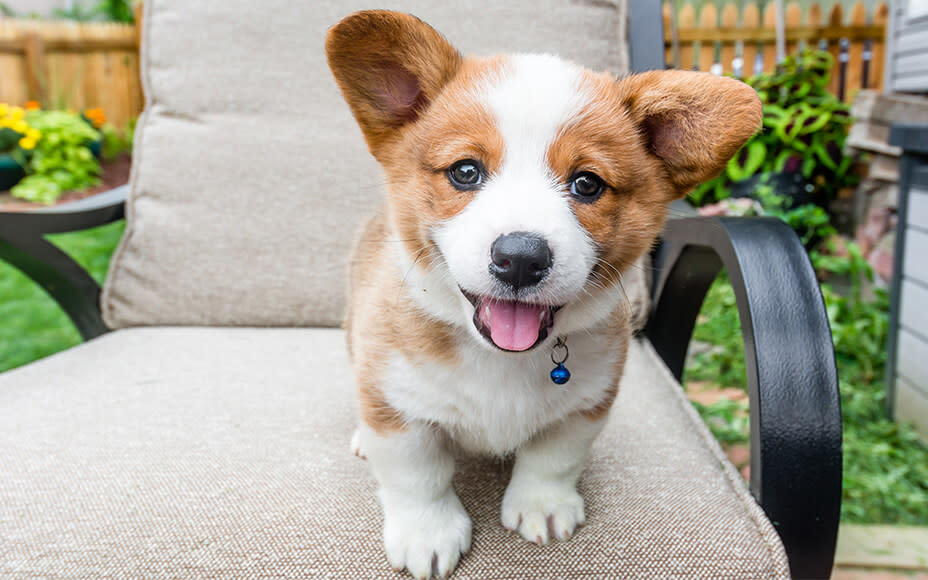
Checklist - How to Recognize Serious Classified Ads from Private Individuals
- The ad is shared on reputable platforms. You should avoid sites where ads can be posted without prior checks by professionals.
- What is the reason for giving up the puppy? Statements like "sudden allergy," "death," or "due to time constraints" are not sufficient reasons. Make sure to follow up on this to avoid falling for a trick.
- The sellers give you time to get to know the puppy, ask questions, and ideally visit it several times before you have to make a purchase decision.
- The sellers are interested in you, ask questions, and ideally conduct a pre-check of the potential new home.
- The puppy appears healthy, is open, playful, and does not show signs of fear or apathy.
- You can visit the sellers at home multiple times and possibly even meet the mother dog. The environment appears clean, bright, and suitable for puppies.
- The sellers willingly provide information about the previous living situation, the behavior, and character of the puppy. The origin of the puppy is also not concealed.
- A vaccination passport and EU pet passport are available and well-maintained. The puppy is microchipped, vaccinated, and dewormed. There may also be a pedigree and health certificate.
- The price for the puppy is not ridiculously cheap or overly expensive.
- The puppy comes with a serious purchase contract, which is issued at the latest upon handover.
- Also, ask to see the previous purchase contract of the puppy and check it carefully.
What Papers Must Be Handed Over When Buying a Puppy?
Whether puppy or older dog, breeder or animal protection - a purchase contract is mandatory and should be completed at the latest upon handover of the animal.
Take a close look at the purchase contract. It should not be missing:
1. Name, address, contact details of the buyers and sellers
2. Name and breed of the dog
3. Date of birth (usually estimated in animal protection)
4. Breeding book number (only for breeding)
5. Chip data
6. Handover date
7. Purchase price and payment method
Very important: Be sure to read the fine print! If there is something written that you do not understand or seems strange, ask before signing the contract!