Puppy Diseases - the Little Ailments in Everyday Life
Your little puppy may have only been with you for a few weeks - and so it is completely normal to worry when he seems unwell, stops eating, or obviously has pain. It doesn't always have to be something serious when your four-legged friend refuses his food or has diarrhea. We provide you with an overview of the most common problems in puppyhood.
The Teething Process in Puppies
Your puppy gets his first teeth at around 3 weeks. This first set of teeth is particularly sharp compared to the second set of teeth, which develops from the fourth month of life and is completed by around 6 months.
The →teething process and the emergence of the second teeth usually cause your dog to experience tooth pain, which he seeks to control by constant gnawing. That's why your puppy also nibbles on everything that could relieve the itching and pain in the first months. It is not uncommon for puppies during this time to have elevated temperature and diarrhea, sometimes accompanied by loss of appetite.

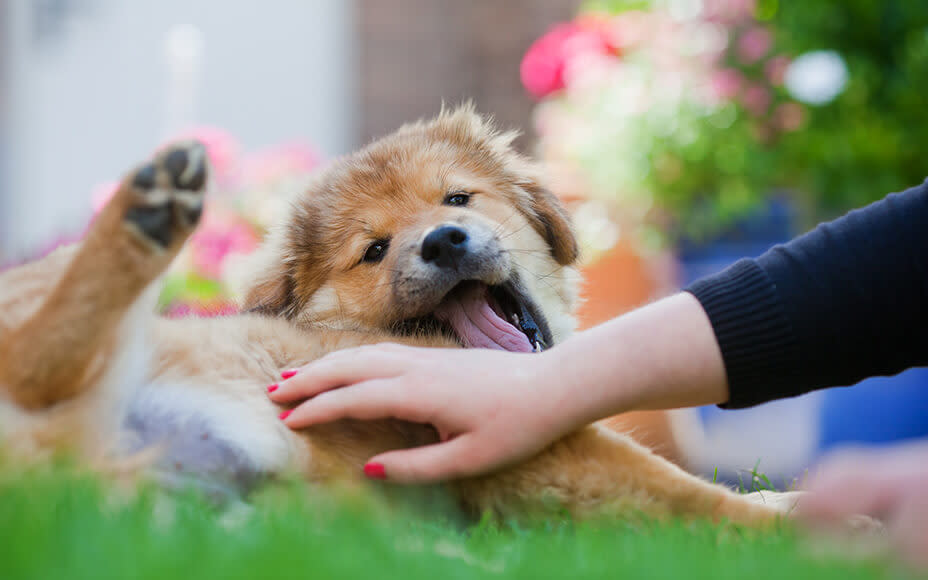
[TRANSLATION ERROR] Ab der 16. Woche beginnen die meisten Welpen damit, alles anzuknabbern, was ihnen vor die Nase kommt. Mit etwa 6 Monaten ist der Zahnwechsel beendet.
During this time, your little four-legged friend will appreciate chew treats and chew toys to help relieve his discomfort. Please avoid tug-of-war games during this time, as pulling can cause damage to the teeth and lead to even more pain. Cooling rings, which you can place in the refrigerator, are also beneficial for your puppy during teething and cool the gums.
Knackige Kausnacks für den Zahnwechsel


Your Puppy Won't Eat
If your puppy is →not eating and even refuses his favorite food, it may be due to initial stress. The little four-legged friends discover something new every day, and sometimes there is no time to eat. However, the cause may also lie in the following points:
- Teething: If your darling refuses dry food or harder snacks, the teething process may be the reason. During the phase when your darling is losing his puppy teeth and new teeth are growing, he may have difficulty chewing hard food. During this time, you can offer him food with a softer consistency.
- Too much of a good thing: Some puppies might feel like they could handle two more portions, while others are more than satisfied with their daily rations. If your darling generally eats but always leaves some food in the bowl, you can slightly reduce the amount of food and instead feed several small portions throughout the day.
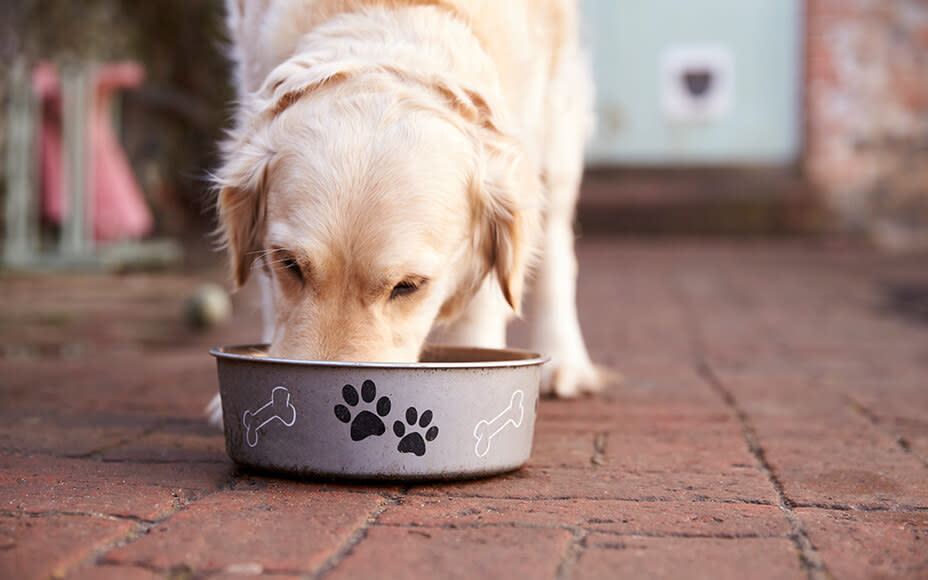
[TRANSLATION ERROR] Die richtige Futtermenge ist so individuell wie jeder Hund und sogar innerhalb einer Rasse variiert diese Menge je nach Aktivität, Alter und gesundheitlichem Zustand.
- The wrong bowl: If your puppy won't eat from the bowl but will eat from the floor or your hand, the type of bowl may play a role. It may be difficult for your four-legged friend to eat from the existing bowl. Both the size and type of bowl can be factors.
- Training: Can you rarely resist those big puppy eyes, and does he get everything he wants? This can be detrimental in many cases, including during feeding. If your puppy has learned that rejected food will be replaced with something else, he will remember this and hope for a food change when he doesn't touch the bowl. The only solution here is to wait. When your puppy gets hungry, he will eventually eat the food and realize that the decision about the food lies with you.
If your puppy goes for several days →without eating, seems lethargic and sluggish, you should take him to a veterinarian. Of course, it may be that your puppy simply doesn't like a particular food, and in that case, you can try a new one.
Für die Kleinen das Leckerste - unser Welpenfutter


Diarrhea in Puppies
Your puppy's digestive system stabilizes over time and is initially easy to throw off balance. Thus, →puppies often experience diarrhea when they try new food for the first time and pick something up from the ground that their stomach is not yet familiar with. In some cases, diarrhea and digestive problems are not a cause for concern.
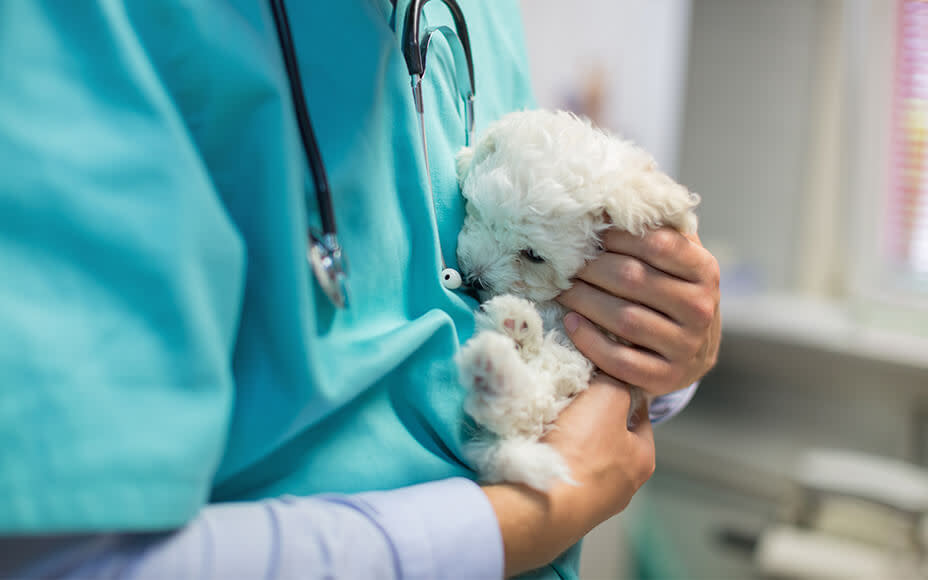
[TRANSLATION ERROR] Bei Erbrechen mit Durchfall solltest du sicherheitshalber tierärztlichen Rat aufsuchen, da die Kleinen ein sensibles Immunsystem haben und schnell dehydrieren können.
However, in rare cases, serious problems can be behind the diarrhea: medications and cleaning agents pose a danger and are →highly toxic to four-legged friends. Poisoned dogs are always prioritized at the veterinarian and are treated immediately. Toxic to your four-legged friend are, among others:
- Chocolate and cocoa
- Grapes, raisins, and stone fruit pits
- Avocado
- Raw potatoes, eggplants, and tomatoes
- Sweeteners in chewing gum
- Caffeine
- Raw beans & legumes
As mentioned, diarrhea is only sometimes a threatening symptom. A bland diet can help your four-legged friend soothe his stomach and regenerate his intestines. However, if diarrhea persists for several days, you should consult a veterinarian.

Ticks in Puppies
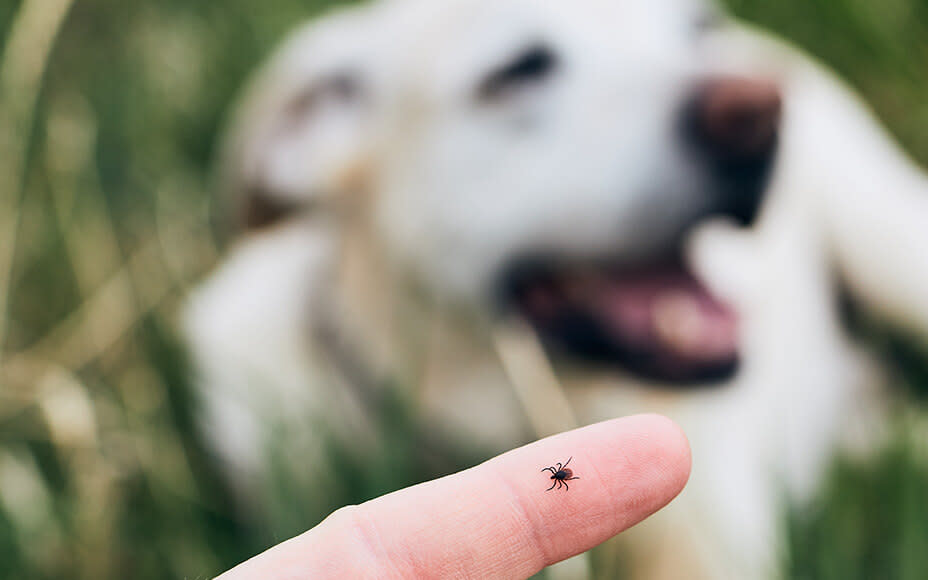
→Ticks and fleas are a topic you should discuss directly during the first veterinary visit. Especially if your four-legged friend spends a lot of time outdoors, you should promptly look for a suitable →remedy against these pests.
In addition to spot-on treatments that are applied to the neck fur at the beginning of tick season, there are also collars that often work against ticks and fleas and can be worn year-round. You should definitely check your little four-legged friend for ticks after every walk. The sooner you find and remove the ticks, the lower the risk that a disease has been transmitted in the meantime.
Remove ticks only with tick tweezers or cards and not with your bare fingers. This can cause the tick's body to break off while the head remains embedded in your pet's skin. In some regions, a vaccination against →Lyme disease** is also advisable.
[TRANSLATION ERROR] Manche Öle sollen auf natürliche Weise gegen Zecken schützen. Ob das wirklich stimmt, bleibt oftmals nur selbst herauszufinden.
Fleas in Puppies
If your puppy scratches himself often, it may be a sign of a →flea infestation. Adult fleas can be recognized with the naked eye as reddish-brown, small creatures. You should also act quickly with fleas to prevent the transmission of diseases. There are special remedies for young four-legged friends that your puppy can tolerate and that are not toxic to him.
Once that is taken care of, you also need to address the home, the car, and all the places where your puppy has been. Fleas lay eggs very quickly, and otherwise, your dog can get reinfested. All washable fabrics should be washed at 60 degrees or frozen at -15 degrees for two days to kill the eggs. Thorough vacuuming and mopping are also part of the process.
It is important that you never choose flea and tick treatments on your own, as this should be done by veterinarians to avoid incorrect dosages.