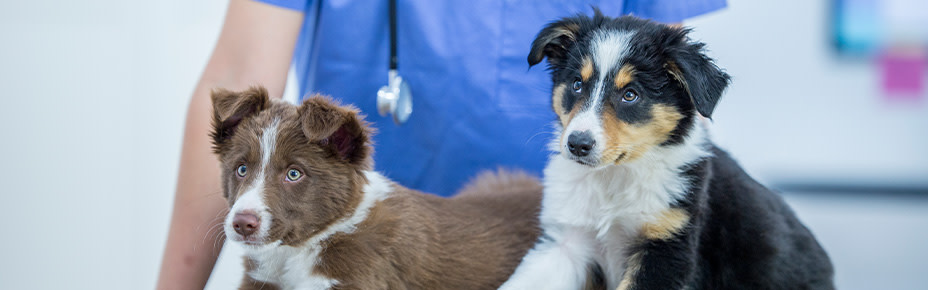
Puppy illnesses – everyday aches and pains
Your little puppy may have only been living with you for a few weeks – so it's completely normal to worry if they seem unwell, stop eating, or are clearly in pain. It doesn't always have to be something serious if your four-legged friend refuses their food or has diarrhea. Here’s an overview of the most common problems during puppyhood.
Teething in puppies
Your puppy gets their first teeth at around 3 weeks old. This first set of teeth is especially sharp compared to the second set of teeth, which develops from the fourth month of life and is usually complete by around 6 months.
The →teething process and the emergence of the adult teeth usually causes your dog tooth pain, which they try to manage by constantly chewing. That's why your puppy will grab at anything in the first few months that might relieve the itching and pain. It's not uncommon for puppies during this time to show increased temperature and diarrhea, and sometimes this is also accompanied by loss of appetite .

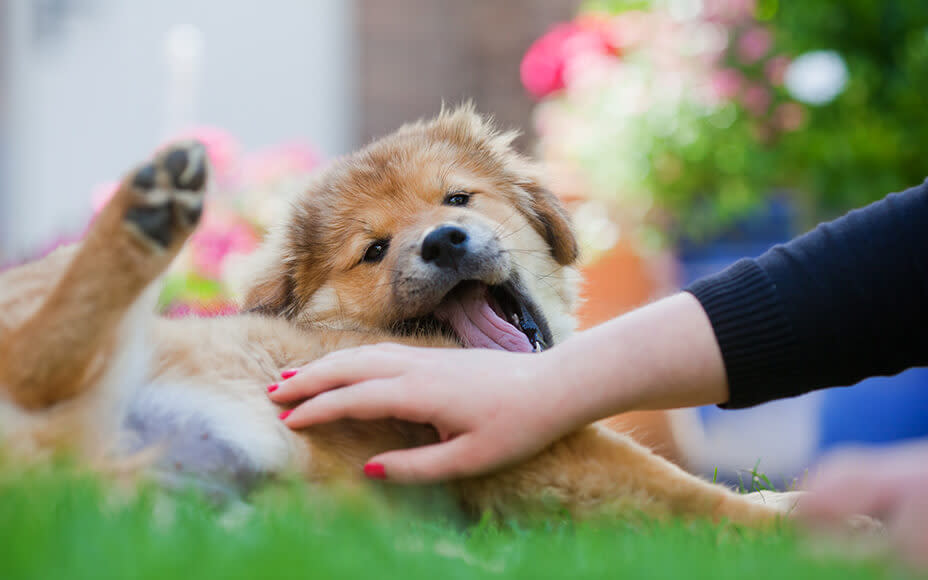
From the 16th week, most puppies start chewing on everything they can find. By around 6 months, teething is complete.
During this time, your little four-legged friend will appreciate chew snacks and chew toys, to help them let off steam. Please avoid tug-of-war games during this period, as pulling can damage the teeth and cause even more pain. Cooling rings, which you can put in the fridge, are also helpful for teething puppies and help cool their gums.
Crunchy Chew Snacks for Teething
Your puppy isn't eating
If your puppy is →off their food and even leaves their favorite meal untouched, it could be due to initial stress . Little ones discover something new every day, and sometimes there's just no time to eat. However, the cause could also be one of the following:
Teething: If your pup refuses dry food or harder snacks, teething could be the reason. During the phase when your pup is losing their baby teeth and new teeth are growing in, they may have trouble chewing hard food. At this time, you can offer food with a softer texture.
Too much of a good thing: Some puppies seem like they could eat two more servings, while others are more than satisfied with their daily rations. If your pup generally eats but always leaves some food in the bowl, you can reduce the amount of food slightly and instead feed several small meals throughout the day.
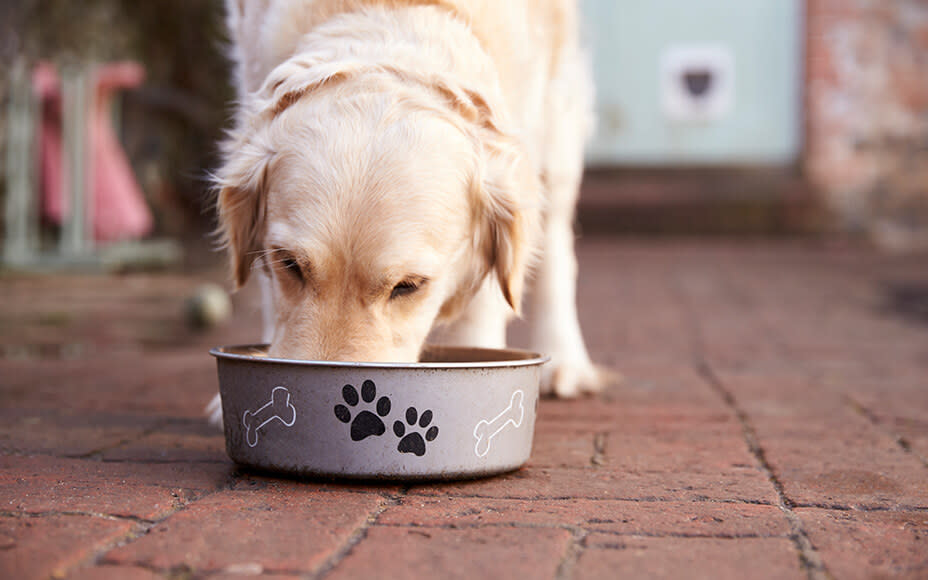
The right amount of food is as individual as each dog and even within a breed, this amount varies depending on activity, age, and health condition.
The wrong bowl: If your puppy won't eat from their bowl but will eat off the floor or from your hand, the type of bowl may play a role. Your four-legged friend might find it difficult to eat from the current bowl. Both the size and type of the bowl can matter.
Training: You can hardly resist your puppy's big, round eyes and they get whatever they want? This can backfire in many ways, including at mealtime. If your puppy has learned that rejected food will be replaced with something else they'll remember that and hope for a food change, if they don't touch their bowl. Here, patience is key. When your puppy gets hungry, they will sooner or later eat the food after all and realize that the decision about food is yours.
If your puppy doesn't eat →their food for several days, seems weak and lethargic, you should take them to a vet. Of course, it's possible your puppy just doesn't like a certain food, and in that case you can try a new one.
The tastiest for the little ones – our puppy food
Diarrhea in puppies
Your puppy's digestive system will stabilize over time and is initially still easily thrown off balance. So →puppies get diarrhea more often, especially when they try new food for the first time or pick something up off the floor that their stomach isn't used to. In some cases, diarrhea and digestive problems are nothing to worry about.
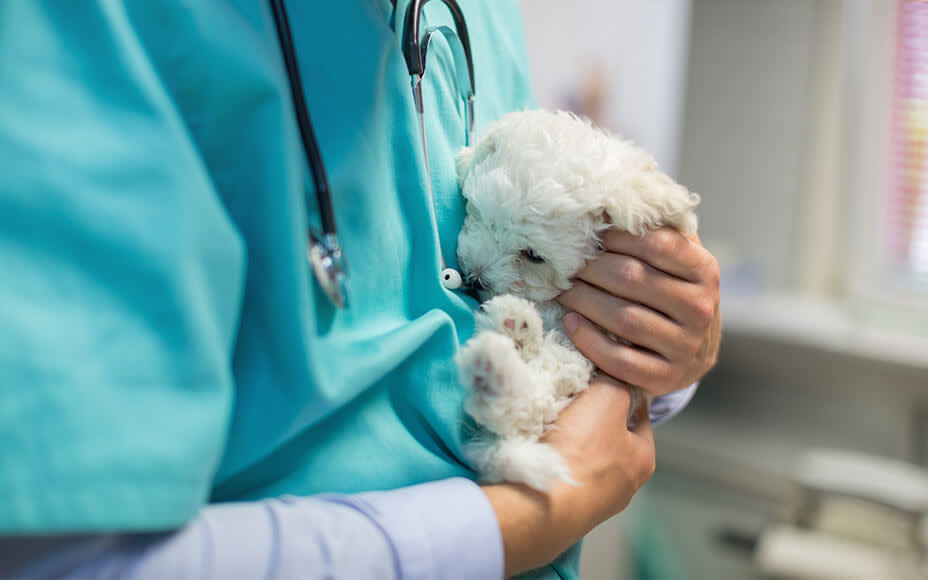
If vomiting is accompanied by diarrhea, you should consult a veterinarian as a precaution, since little ones have a sensitive immune system and can become dehydrated quickly.
But in rare cases, serious problems can be behind the diarrhea: medications and cleaning products are, for example, a danger and are →highly toxic for dogs. Dogs that have been poisoned are always prioritized at the vet and are treated immediately. Things that are toxic for your dog include:
chocolate and cocoa
grapes, raisins, and stone fruit pits
avocado
raw potatoes, eggplants, and tomatoes
artificial sweeteners in chewing gum
caffeine
raw beans & legumes
As mentioned, diarrhea is only sometimes a dangerous symptom. A bland diet can help your dog soothe their stomach and regenerate their intestines. However, if the diarrhea lasts for several days, you should see a veterinarian for advice.

Ticks in puppies
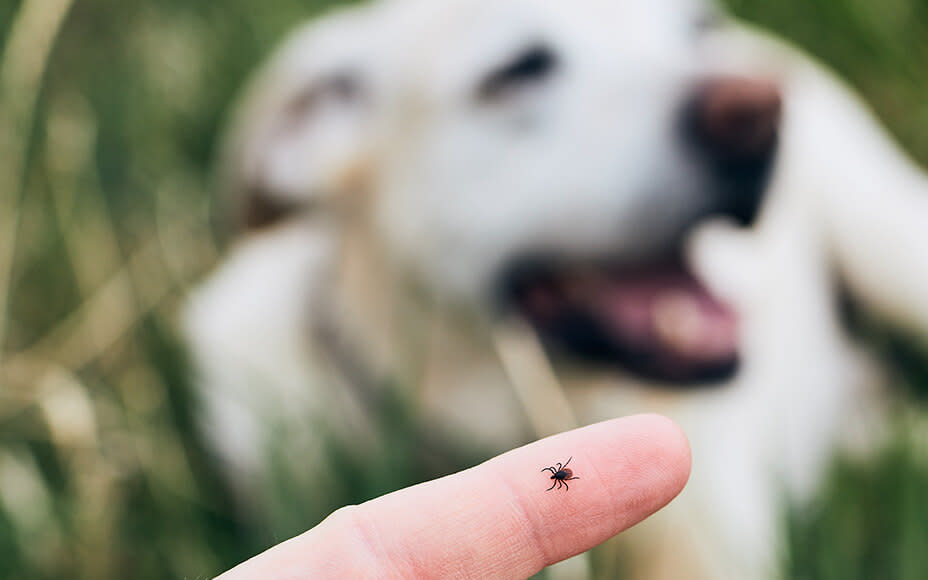
→Ticks and fleas are a topic you should bring up at your very first vet visit. Especially if your four-legged friend spends a lot of time outdoors, you should quickly find a suitable →remedy for these pests.
In addition to spot-on treatments, which are applied to the neck fur at the start of tick season, there are also collars, which often protect against both ticks and fleas and can be worn year-round. In any case, you should always check your little four-legged friend for ticks after every walk. The sooner you find and remove ticks, the lower the risk that a disease has been transmitted.
Remove ticks only with tick tweezers or tick cards and never with your bare fingers. The tick's body can break off, leaving the head embedded in your dog's skin. In some regions, a vaccination against →Lyme disease may also be advisable.
Some oils are said to naturally protect against ticks. Whether this is really true often remains to be discovered for yourself.
Fleas in puppies
If your puppy is scratching a lot, it could be a sign of a →flea infestation. You can spot adult fleas with the naked eye as small reddish-brown insects . If you suspect fleas, you should act quickly to prevent the transmission of diseases. There are special treatments for young dogs that are safe for them and not toxic.
Once that's done, you also need to take care of your home, car, and anything else your puppy has been in contact with. Fleas lay eggs very quickly, so your dog could get reinfested. All washable fabrics should be washed at 60 degrees or frozen at -15 degrees for two days, so the eggs die. Thorough vacuuming and cleaning are also essential.
It's important that you never choose flea and tick treatments on your own without professional advice, as this should always be handled by a veterinarian to avoid incorrect dosing.