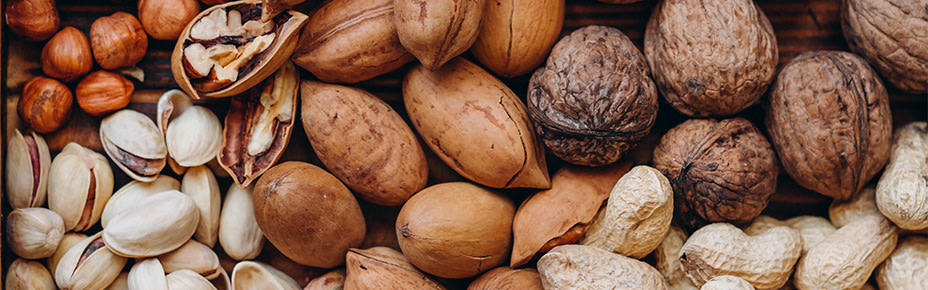
Can dogs eat nuts?
The answer to this question is: Yes and no. First, there are also dogs among our four-legged friends that →react allergically to nuts. For this reason, you should not just give your dog a few nuts, but start with a small nut and see how your dog tolerates it.
If you do not notice any allergy symptoms, it also depends on the type of nut. There are nuts that you can safely feed to your dog. However, some nuts are inedible for our furry friends and can even lead to →poisoning.

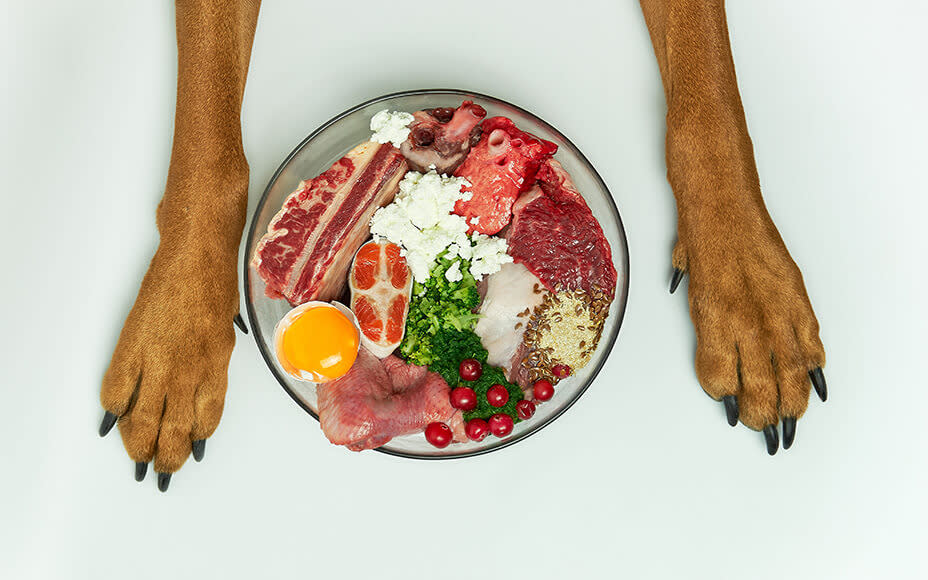
[TRANSLATION ERROR] Frische Zutaten für deinen Hund? Das ist genau das Konzept vom BARFen!
Which nuts are allowed for dogs?
Nuts are rich in valuable fats and vitamins, which you should not withhold from your dog. You can safely feed the following types to your dog:
- Peanuts: They are rich in minerals such as iron, phosphorus, potassium, →calcium, as well as trace elements like zinc, fluorine, copper, and manganese. However, peanuts also contain a lot of histamine, which can promote allergies in some dogs.
- Hazelnuts: They provide your dog with a comparatively high amount of protein, calcium, potassium, and vitamins. However, due to their high fat content, they are also very calorie-dense and can, like peanuts, promote allergies.
- Almonds: This type of nut is rich in polyunsaturated fatty acids, vitamin E, and folic acid. Generally, they do not cause allergies and can be fed well. Note! Bitter almonds are toxic to your dog and should never be given.
- Chestnuts and sweet chestnuts: Contrary to expectations, sweet chestnuts are also a tasty change for your dog and are not toxic. They contain a lot of vitamin B (thiamine), which contributes to coat health. Like all other nuts, you should always offer chestnuts without their shells. Also, note that common chestnuts found on the street are not edible for dogs and should not be fed!
- Brazil nuts: They are rich in calcium, which benefits your furry friend's bone and →dental health. However, like hazelnuts, they are very fatty and therefore high in calories.
Are you into fresh ingredients and want a food that is extra fresh, natural, but still uncomplicated? With the BARF Fresh Menus from Pets Deli, you provide your four-legged friend with a fresh, balanced diet featuring high-quality meat and gently cooked vegetables and fruits!


These nuts are toxic to dogs
...or should be consumed with caution. Bitter almonds and common chestnuts are, as already mentioned, inedible for your dog and can lead to poisoning symptoms. Additionally, your dog should stay away from the following types of nuts:
- Macadamia and nutmeg: Both types of nuts are toxic to your dog! Even the consumption of small amounts can lead to →vomiting, →fever, and →diarrhea. Depending on the amount consumed, the nervous system can also be affected.
- Walnuts: In principle, walnuts are edible and harmless for your dog. However, it is common for this type of nut to be infested with a mold. The toxin Roquefortin C contained in the mold can trigger allergic reactions in both dogs and humans and can also be neurotoxic. Muscle cramps can then be a possible consequence. If you want to feed walnuts, you should make sure that the fruits are mold-free and ripe.
- Pistachios: Unfortunately, this type of nut also tends to mold when stored for a long time. Often, the toxic mold is not visible to the naked eye and poses a certain danger to both dogs and humans. So pay attention to healthy and ripe fruits, as then the pistachio is a harmless and vitamin- as well as protein-rich snack.
What you should consider when feeding nuts
As is appropriate for a →healthy and species-appropriate diet for a dog, you should only give natural, unprocessed nuts when feeding nuts. Roasted, salted, or otherwise seasoned nuts are a no-go! Also, you should definitely remove the shells of the nuts beforehand.
Nuts are also very fatty and calorie-dense. For this reason, only a small amount should be fed. It is also advisable to give the nuts chopped or ground. Too large pieces of nuts can be poorly digested by the stomach and are usually excreted whole.