
Abdominal Pain in Dogs: Possible Causes
Unlike us two-legged beings, your dog cannot say that it has abdominal pain. Therefore, it can only be recognized through certain symptoms, ranging from →loss of appetite to apathy and →vomiting. The causes are diverse, and a diagnosis is not always easy. Here you will learn how to recognize that your dog has abdominal pain, how it is diagnosed, and what the treatment in the veterinary practice looks like.
Possible Causes
Food and Food Allergies
In many cases, abdominal pain in dogs can be attributed to food. In the case of a food allergy, there can be severe →itching as well as abdominal pain and vomiting. An allergy is usually related to the protein source used in the food, such as beef or chicken. However, allergies to carbohydrate sources like potatoes and rice are also possible.
Is your four-legged friend allergic to one or more ingredients? Our Pets Deli Sensitiv Food is tailored to the needs of allergic fur noses and ensures carefree enjoyment in the bowl again!
Känguru, Wasserbüffel & Co - Sensitiv-Fleischsorten


Poisoning
The situation becomes serious when your four-legged friend has eaten a →toxic food for dogs or even a →poison bait. Here, not only quick action is required, but also a watchful eye. In particular, food-oriented dog breeds like →Labrador or →Beagle rarely say no to snacks lying around and also perceive the fruit bowl with grapes as their personal bowl. Our four-legged friends do not know that such snacks can be toxic and life-threatening. Poisonings lead to trembling, vomiting, dizziness, and also severe abdominal pain within a very short time. Usually, your dog will lie down a lot and lacks the strength to stand up alone. An immediate visit to the veterinarian is absolutely necessary here.
Did you know that you can reduce the risk of poisoning through appropriate poison bait training? By teaching your dog that it should not eat anything from the ground and only eat on your command, it will hardly pick up everything it finds along the way. Instead of unsuitable foods for dogs, you should focus on species-appropriate and healthy snacks during →training. Sugar, grains, or artificial flavors? You won't find any of those with us! Just one click and the training can begin.
Tolle Belohnungen für fleißige Hunde - unsere Snacks
Gastrointestinal Infections
In general, abdominal pain is attributed to infections of the gastrointestinal tract. Just like us humans, our furry friends occasionally catch something that upsets their stomach. The infections usually last only a few days, and once your dog's immune system has recovered, the stomach rumbling will also disappear.
Diseases
Unfortunately, diseases such as cancer with tumors do not spare our dogs either. In rare cases, there may be a serious illness behind your dog's abdominal pain, which is diagnosed through comprehensive testing. In addition to tumors, it can also be gastritis, where your dog's stomach lining becomes inflamed and causes severe abdominal pain. The regeneration takes some time, and therefore, in the case of stomach diseases, abdominal pain usually persists for several days to weeks until the treatment takes effect.

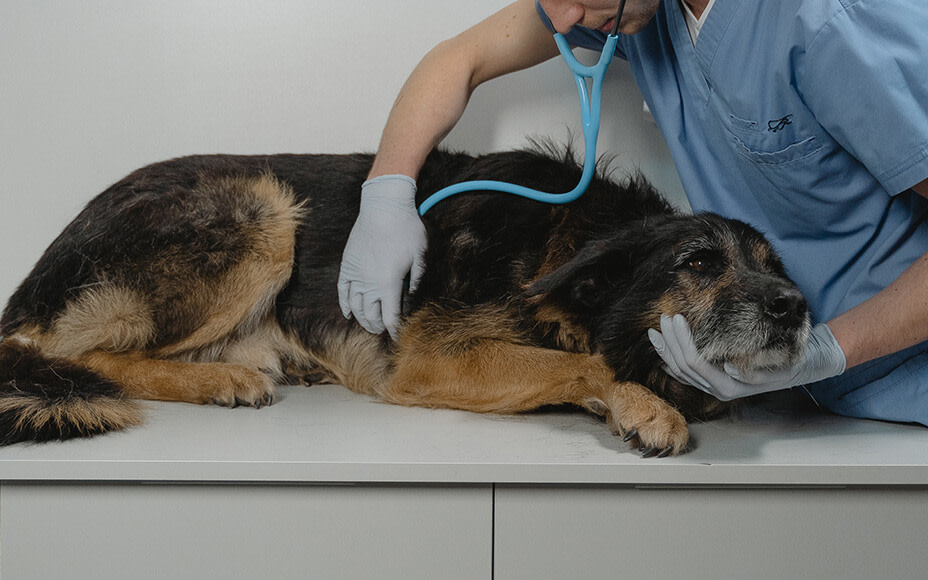
[TRANSLATION ERROR] Von leichten Infekten bis zu ernsthaften Erkrankungen können die Ursachen für Bauchschmerzen beim Hund vielfältig sein.
Pancreatitis
→Pancreatitis in dogs is a serious condition that often requires inpatient treatment. In pancreatitis, the exocrine part of the pancreas, which produces digestive enzymes, becomes inflamed. There is an acute and a chronic form of pancreatitis. Unlike the acute form, the chronic inflammation develops gradually. Overweight, infections, and poisonings are possible causes of pancreatitis and cause abdominal pain in your dog.
Healthy diet for a sensitive and compromised digestive tract? Our →wet food VET Stomach & Intestine Fit is ideally suited for your furry friend when they are experiencing stomach rumbling, suffering from digestive problems, or diseases like pancreatitis.
Bloating
When gases accumulate excessively in the digestive tract, they cause bloating and sometimes abdominal pain. This is usually not dangerous but can be very uncomfortable for your dog. In short: Your furry friend will pass gas more often than usual. If this does not subside after a few days and fever sets in, it could indicate intestinal inflammation, and a quick visit to the practice is necessary.
Gastric Torsion
Particularly with large dogs, it is often warned to remain calm after feeding and to wait until the meal has been digested. Not without reason, as gastric torsion leads to the constriction of nerves and vessels, which is very painful. Dogs suffer from severe pain and often try to vomit. Here, every minute counts, and timely surgery must be performed.
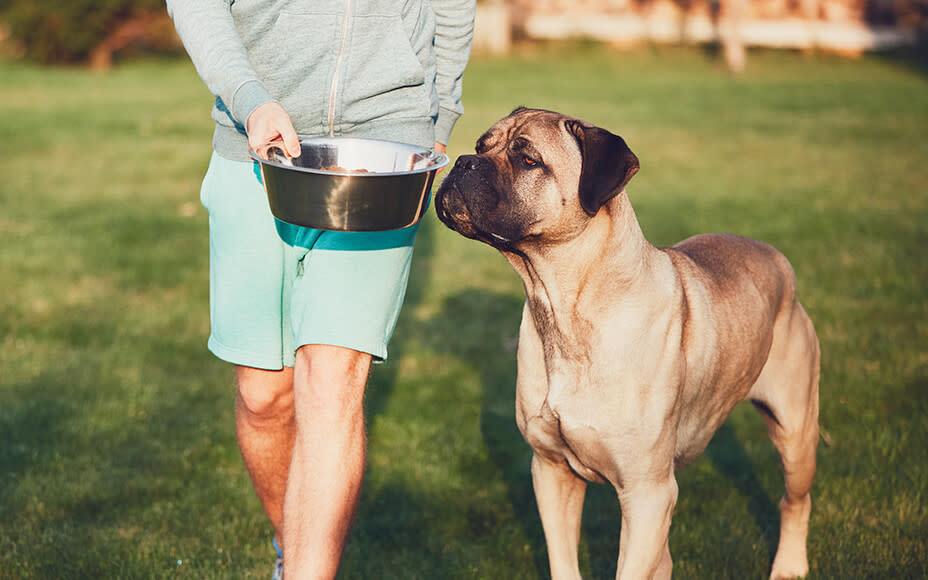
[TRANSLATION ERROR] Bislang ist die Ursache der schmerzhaften und lebensbedrohlichen Magendrehung nicht vollständig geklärt. In Verdacht stehen jedoch Stress und viel Bewegung direkt nach dem Fressen.
Foreign Bodies
Just as it is with vacuum cleaners on four paws when it comes to food lying around, it can sometimes also happen with toys or other objects. If your dog plays exuberantly or is known for chewing on everything first, it can lead to the swallowing of objects. Unlike food, objects retain their shape in the stomach and can cause severe abdominal pain. Especially sharp objects can lead to serious internal injuries or intestinal obstruction, which is why an emergency appointment at the veterinary practice is also mandatory here.
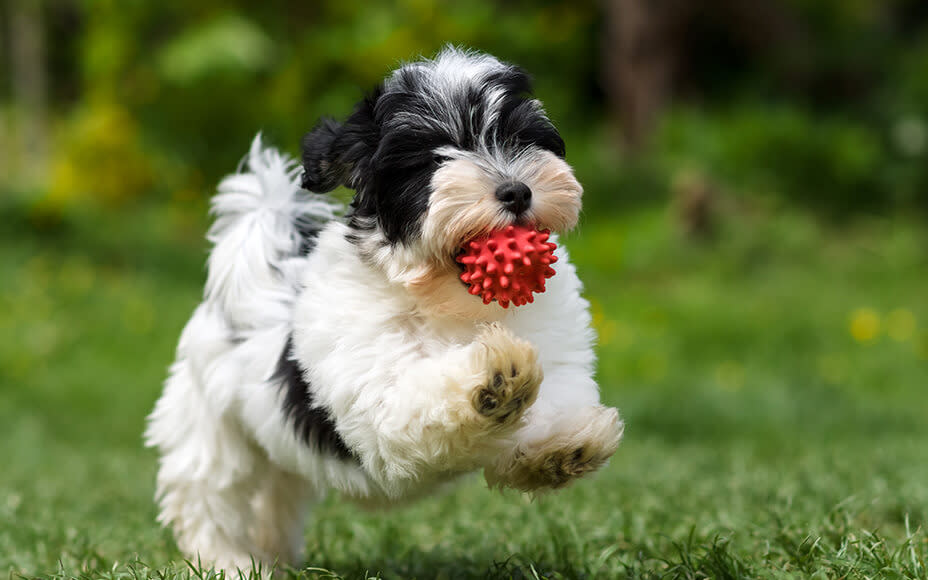
[TRANSLATION ERROR] Zu kleines Spielzeug, Rasierklingen als Giftköder oder andere Gegenstände können von Hunden verschluckt werden, zu Bauchschmerzen führen und gefährlich werden.
Constipation or Intestinal Obstruction
In the case of →constipation, your four-legged friend cannot relieve itself. Food with too few fibers or too little liquid does not make the stool soft enough, causing it to move in the intestine only slowly or not at all. When everything comes to a standstill, it is referred to as an intestinal obstruction. The intestinal obstruction represents the complete blockage of the intestine. That this causes severe pain is evident. Cramp-like abdominal pain can indicate an intestinal obstruction, where besides constipation due to diet, a swallowed object can also be the cause.
Symptoms and Diagnosis
Abdominal pain in dogs manifests through the following symptoms:
- Whining and whimpering
- Restlessness
- Withdrawal
- Discomfort
- Lethargy
- Apathy
- Licking of the lips
- Diarrhea
- Vomiting
- Body positions like "downward-facing dog"
To find out what type of abdominal pain your dog is suffering from and what the exact cause is, veterinarians can perform various tests. Sometimes a simple palpation is sufficient; in some cases, blood tests, X-rays, or allergy tests can provide diagnoses. In the case of a food allergy, the diagnosis can range from a blood test to an elimination diet to identify the cause. For specific diseases, more intensive examinations are necessary.
Treatment and Therapy
Depending on the severity of the abdominal pain and the causes, veterinarians will initiate the necessary measures. While the treatment for food allergies consists of an elimination diet and subsequent dietary change, in acute emergencies such as pancreatitis, intestinal obstruction, and gastric torsion, immediate surgery is necessary.
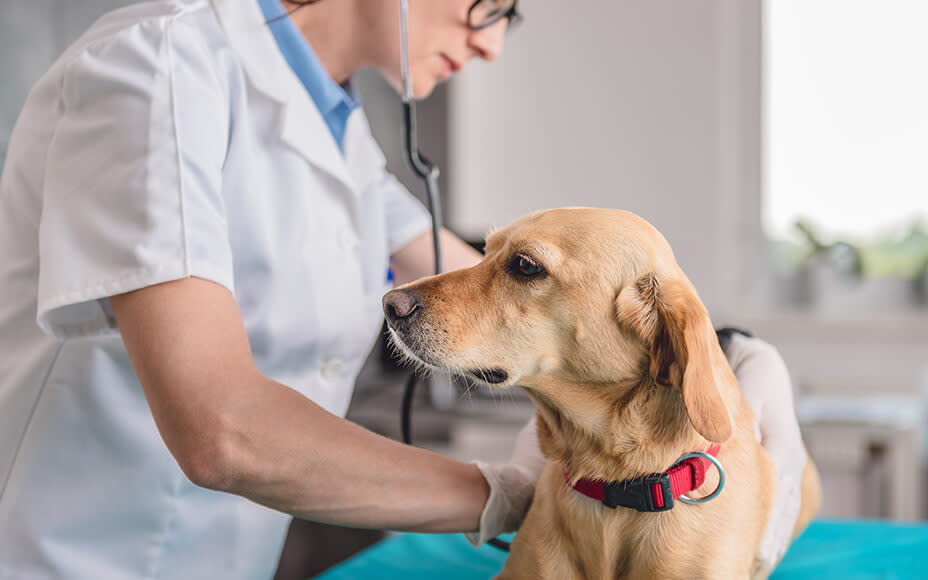
[TRANSLATION ERROR] Im Rahmen der Behandlung haben Tierärzt*innen ein weitreichendes Spektrum zur Diagnose und Behandlung bei Hunden mit Bauchschmerzen.
The swallowing of foreign bodies and intestinal obstruction also requires prompt action. Infections or mild inflammations are treated with appropriate medications and usually improve quickly. If your dog has been poisoned, it depends entirely on the amount ingested. A half grape may cause abdominal pain in your dog but is not as life-threatening as eating a poison bait or a →whole avocado pit.
It is important that you have precise information ready in the case of poisonings or swallowing to expedite the work at the veterinary practice. Under no circumstances should you attempt to make your dog vomit and do not try to help it with medications from your home pharmacy. Most human medications cannot be used for dogs, and you could harm your dog more than help it. While →certain healing herbs can provide relief, they should never be fed without consulting veterinarians. Persistent abdominal pain should always be handled by professionals.
To prevent abdominal pain, you can support your dog with →healthy nutrition and always ensure that it has no access to toxic foods. Diseases can only be influenced to a limited extent, so it is worthwhile to create as healthy living conditions as possible through →food, →plenty of exercise, and a stress-free atmosphere. Our tip: Check out our →digestive-friendly food – for a happy belly and a relaxed time together.