
What Your Dog Should Not Eat
"My dog eats just about anything" – If this sentence could come from you, you are probably pleased that your dog can handle any food. But you surely know the problem: He also eats everything he shouldn't. Many foods can harm your beloved pet, as your four-legged friend has a different metabolism than you and not everything that we humans can tolerate is suitable for a dog's stomach. Even during your daily walks with your dog, you need to be careful about what he should avoid nibbling on. To ensure that nothing happens to your beloved pet, we provide you with a few tips on what to watch out for regarding poisoning**.
In general: If your dog has eaten a toxic food, you should contact your veterinarian as soon as possible!
Chocolate: Toxic for Dogs!
→Chocolate is not a suitable treat for your dog! It contains theobromine, a substance that dogs metabolize at an above-average slow rate and that has a toxic effect on your four-legged friend. The rule is: with increasing cocoa content in the chocolate, the risk of poisoning your dog increases. A piece of milk chocolate is therefore much less dangerous than a piece of dark chocolate.
The reactions to chocolate mainly depend on the size of your dog. If Doberman Benni steals a chocolate ball from the Christmas plate, it is likely that he will "only" react with stomach pain and lethargy. For Jack Russell lady Peaches, the whole situation could end fatally within a short time.
Signs of poisoning range from external symptoms like muscle tremors to diarrhea with vomiting, and even internal bleeding and unconsciousness. To provide first aid, it is advisable to always have activated charcoal tablets on hand, as these have an antitoxic effect on the stomach and intestines and slow down the absorption of the toxin. If your dog has eaten chocolate, please immediately contact your veterinarian!

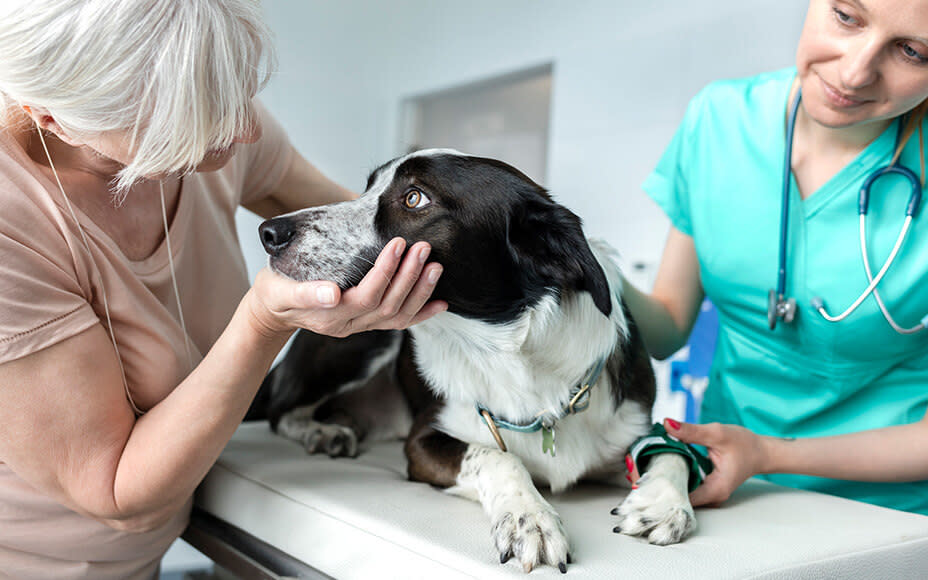
[TRANSLATION ERROR] Schokolade ist für Hunde giftig! Hat sich dein Hund die volle Schokoladen-Dröhnung gegönnt, solltest du schnell in eine Tierarztpraxis fahren.
Grapes and Raisins: Not Always Equally Toxic for Dogs
Contrary to the myth that →grapes are always toxic for dogs, the tolerance of the sweet fruits depends entirely on the dog. According to reports and studies, there are dogs that tolerate grapes better and those that can die from kidney failure within a few days after consuming grapes. The reason why dogs have such varying reactions to grapes has not yet been scientifically clarified.
What is a sweet and healthy snack for us can quickly become a disaster for some four-legged friends. The reason for this is the substance oxalic acid contained in grapes, which can harm your dog's kidneys. The same applies to raisins, which contain even more oxalic acid as dried grapes. If your four-legged friend has eaten a large amount of grapes, symptoms may manifest as diarrhea and vomiting.
Good news! A single grape will not make your dog sick. But why take a risk? Instead of grapes, you can feed your dog a variety of other fruits like →blueberries or →bananas**, or simply opt for our tasty and healthy snacks for dogs!
Gesund und lecker verwöhnen - mit unseren Snacks
Onions, Garlic & Leeks: Always Toxic for Dogs!
Do you need →onions and →garlic in your meals? For your four-legged friend, the answer is: None of that, please! All types of onion plants are harmful to your dog. The substances contained attack red blood cells (erythrocytes), which your pet needs for oxygen supply to all organs.
The toxic effect occurs even with a small amount, so you must prevent your dog from snacking on onion plants. This includes garlic and all types of leeks, such as wild garlic and chives. If you want to feed your four-legged friend vegetables, take a look at our →list of healthy vegetables for dogs.

[TRANSLATION ERROR] Welches Gemüse dürfen Hunde essen? Wirf einen Blick in unsere Übersicht!
Milk and Butter: Cause Diarrhea
Drank a glass of milk and your stomach is already grumbling? Your furry friend feels the same way. The consumption of milk and butter is often associated with bloating and diarrhea. Foods that contain milk are not toxic but can burden and disturb the digestive tract of many dogs. Additionally, butter contains unhealthy fats that have no place in a dog bowl.
Cheese for Dogs: It Depends on the Type
When it comes to →feeding cheese, things look a bit different: Here, the type of cheese plays an important role. Some types of cheese contain relatively little lactose and can thus be a tasty snack or a special reward during training. However, cheese should always be fed in moderation and as an exception, as even low-lactose varieties contain a lot of salt.
Does your dog go crazy for cheese? Then our delicious [→Cheese Tasties](/products/snack-kase-tasties-fur-hunde) are just right for him! A soft chew stick with juicy chicken meat and delicious Emmental - ideal as a reward in between.
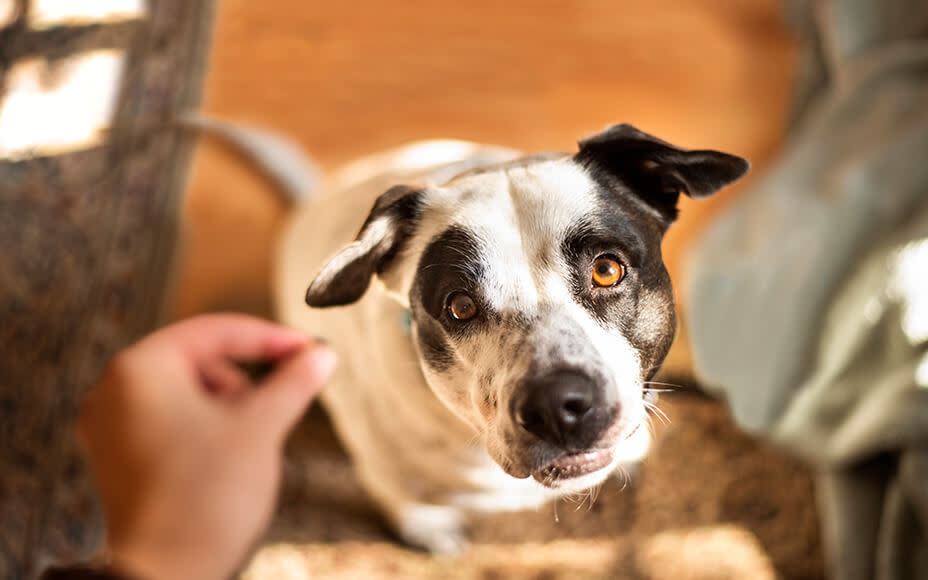
[TRANSLATION ERROR] Ab und zu ein Stückchen Käse ist für deinen Hund eine leckere Belohnung, sollte aber die Ausnahme bleiben.
Unhealthy Spices for Dogs: Salt, Chili, Curry & Co.
Lovers like it salty – but no matter how great your love for your dog is, adding salt to the food is not good for your pet at all. Nevertheless, →salt is, just like for us humans, also essential for your four-legged friend - but it is already sufficiently present in high-quality feed.
Your furry friend's senses are extremely fine, which is why intense spices like chili, pepper, nutmeg, and curry should be removed from your dog's diet. Even sniffing sharp spices like pepper or chili can cause severe sneezing fits in your dog. Onion plants in ground form are also taboo for your dog.
Instead, enhancing the food with a bit of →Ceylon cinnamon is safe for your dog. Some →spices and herbs are even great for the health of your furry friend! Basil and fennel, for example, support a functioning digestion. We at Pets Deli also know this and therefore use the finest herbs in our dog food to perfectly complement your dog's tasty menu!
Whether it's crunchy dry food or creamy wet food - only the best ingredients go into the bowl here!


Alcohol: Very Toxic for Dogs!
A glass of wine or beer after a hard day's work with loved ones doesn't harm anyone – except your dog. Alcohol is highly damaging to the liver and kidneys - vomiting, diarrhea, and heart failure can be the consequences. So let your four-legged friend toast with water instead.
Coffee and Energy Drinks: Extremely Toxic for Dogs!
Please don’t talk to me before my first coffee in the morning? Sometimes you need an energy drink during lunch to keep going. For your dog, however, this should be off-limits, as caffeine, like the substance theobromine found in cocoa and chocolate, is part of a group of substances that are generally harmless to humans but extremely toxic to your four-legged friend.
Acorns, Pine Cones, Chestnuts: Not for Eating!
Not only in your own four walls are there things your dog must not eat. Even during your multiple daily walks, there are hazards that can cause stomach pain or be life-threatening if ingested by your four-legged friend.
As autumn begins, trees lose their fruits again – this may invite your dog to play with them or even eat them. But be careful while playing! In particular, acorns are toxic to dogs and must not be eaten at all.
The tannin contained in them damages the kidneys and leads to diarrhea, vomiting, and can cause permanent organ damage that may lead to death. But it’s not just the toxic substances that pose a danger to your furry friend.
Can Dogs Chew Pine Cones?
If your dog swallows or eats pine cones, acorns, or chestnuts, this can lead to severe blockages or even →life-threatening intestinal obstruction. Even if your dog plays with a pine cone or chews on it, large pieces can be swallowed and cause health issues. You are on the safe side if you let your dog play with a tug toy or chew stick instead of pine cones.
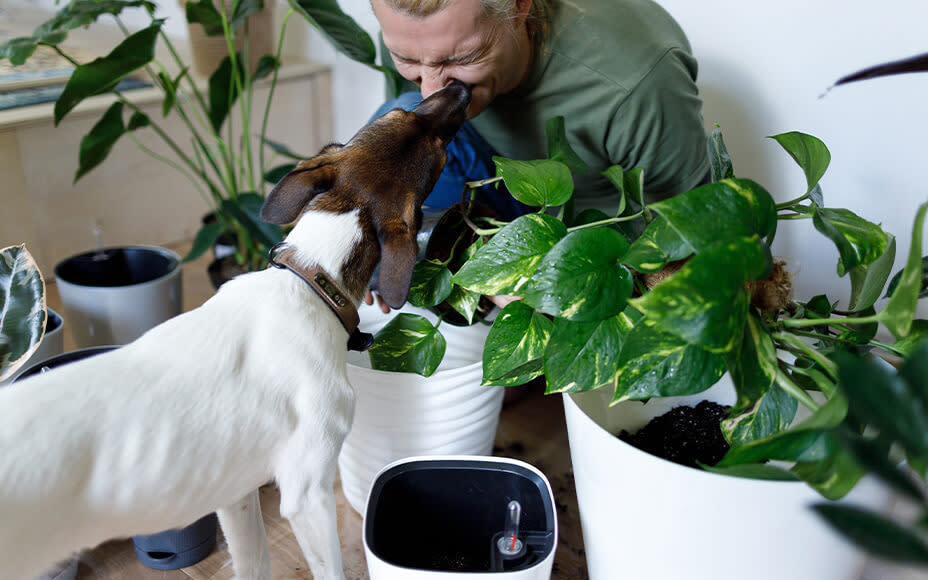
[TRANSLATION ERROR] Du hast einen grünen Daumen? Dann informier dich auch über Zimmer- und Gartenpflanzen, die giftig sind für Hunde!
Toxic Plants for Dogs
Does your dog have a tendency to eat some →grass from the meadow? Relax! That’s completely natural and partly important for your pet's digestion. However, if he nibbles on everything within reach during your walk - without knowing that he might be eating a toxic plant - you should be cautious.
Now it’s up to you to know what your dog can nibble on while out and what he cannot. This topic also applies to your home: If you are a plant lover, you should check in advance which plants should not be within your dog's reach. These plants are unsuitable for nibbling on or eating:
Toxic Garden Plants for Dogs
- Lily of the valley
- Tulip
- Foxglove
- Hydrangea
- Mistletoe
- Oleander
- Rhododendron
- Ivy
- Tomato plant
- Golden rain
- Buckwheat
Toxic Houseplants for Dogs
- Ficus/Dragon tree
- Poinsettia
- Dragon lily
- Begonia
- Cyclamen
- Weeping fig
Additionally, there are various other plant species that can harm your four-legged friend if ingested.
Tobacco, Cigarettes, and Cigarette Butts: Very Toxic for Dogs!
Even though cigarette butts belong in the trash and not on the ground, our super sniffers find plenty of them on walks along paths and in bushes. If your dog or puppy tends to be a vacuum cleaner, you should keep an eye on him, as both whole cigarettes and just the butts are toxic to dogs!
If your dog eats a cigarette butt, it contains nicotine, even if the cigarette has been fully smoked. While this substance has a stimulating effect on the human nervous system, it causes a nicotine poisoning** in your dog from an ingested amount of just 4 mg. This amount can already be absorbed through a chewed cigarette butt.
What to Do If Your Dog Has Eaten a Cigarette or Cigarette Butt?
If your dog has eaten tobacco, a cigarette, or just a butt, the first signs of poisoning are tremors, vomiting, and drooling. In the worst case, your dog may suffer from heart failure. Therefore, if your dog has eaten a cigarette butt or even a whole cigarette, you should immediately go to the veterinary clinic!
Chewing Gum for Dogs: Not Edible!
Let’s assume that no one would intentionally give their dog chewing gum for bad breath. But if your dog unauthorizedly helps himself to your pack of gum, you should also head to a clinic just to be safe. The sweetener xylitol often found in chewing gum is a suitable sugar substitute for humans – but it is toxic to your furry friend and can lead to a drop in blood sugar and liver damage if ingested.
Even chewing gum that has been spat out on the ground can cause discomfort, stomach pain, and vomiting.
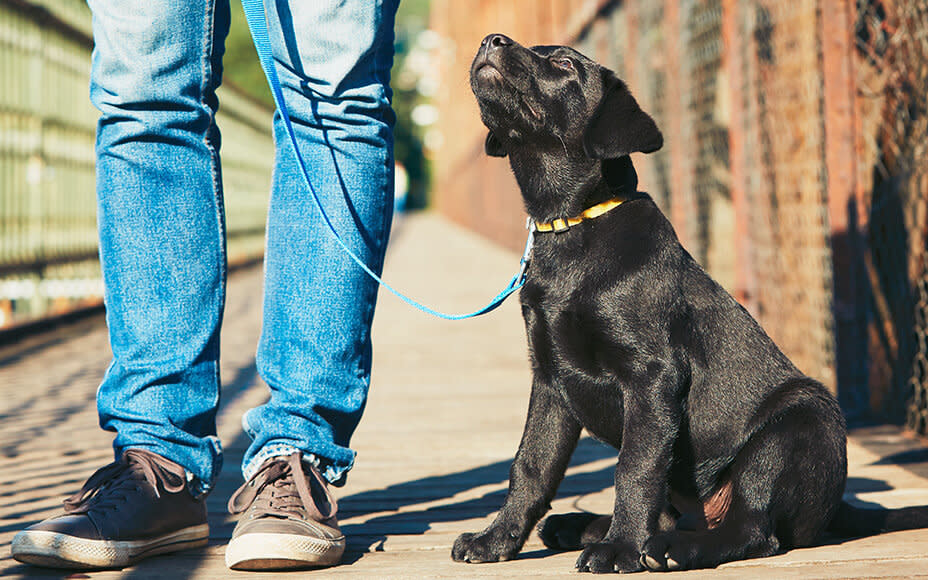
[TRANSLATION ERROR] Bring deinem Hund so früh wie möglich bei, nichts vom Boden aufzunehmen und du bist auf der sicheren Seite!
How Can I Prevent My Dog from Eating Toxic Foods?
Prevention is known to be the best medicine, so it is important to work on ensuring that your dog does not pick up everything from the ground. Obedience training and a close bond with your four-legged friend make it easier to react in such situations. In training, you can possibly influence your dog's behavior so that he →only accepts food from you and does not eat anything from the street.
At home, make