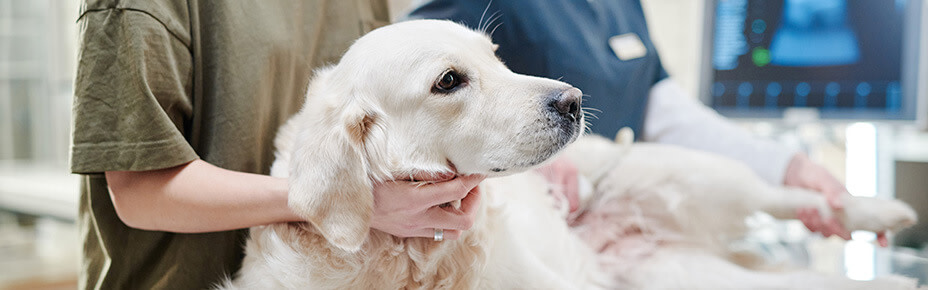
What are giardia and how can you recognize them in dogs?
Your four-legged friend is suffering from diarrhea and has been diagnosed with giardia? You are not alone. Giardia are among the most common endoparasites in our furry friends and many dog parents are fighting these little pests with their four-legged companions. In this article, our Pets Deli veterinarian will teach you everything you need to know to get rid of the parasites.
What are giardia?
In addition to annoying parasites like →fleas and →ticks, there are also those we can't see with the naked eye and can only recognize through corresponding symptoms and tests: giardia. The giardia found in our dogs are called Giardia canis. These are microscopic parasites consisting of only a single cell. Affected dogs excrete the parasites in the form of infectious cysts with their stool .

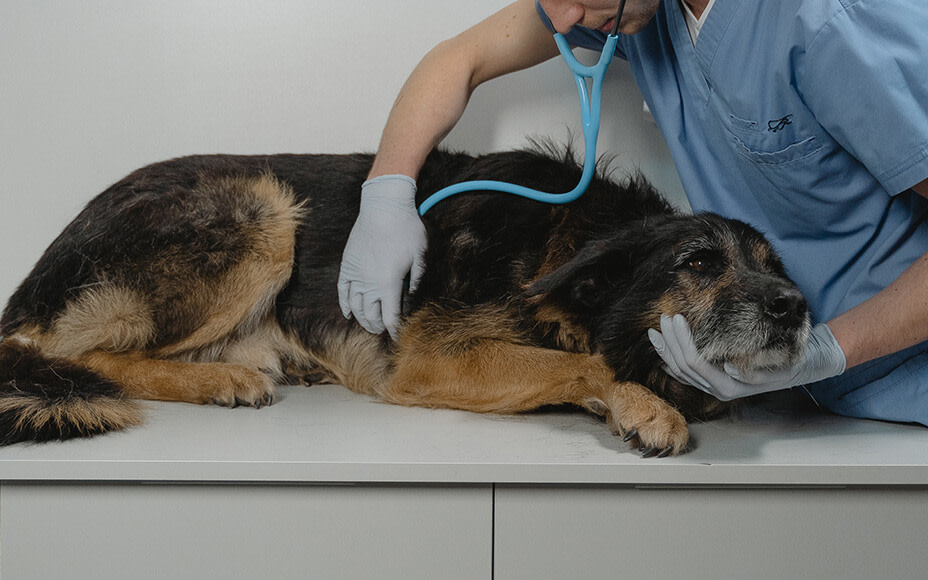
Giardia in dogs are tiny parasites that are not visible to the naked eye. They multiply in the intestines of animals and are excreted as cysts.
How do giardia spread in dogs?
Through direct contact with feces, such as sniffing feces or licking the anus, the parasites can be transmitted. But indirect transmission via contaminated food or water is also possible. Contaminated water, for example, could be a puddle outside that has been polluted by rainwater mixed with infected feces. If an infected dog licks its anus and then drinks or eats from a bowl, that's enough to contaminate the water or food.
Just 10 such giardia cysts can cause an infection. For comparison: one gram of feces from an infected dog can contain up to 10 million cysts. In cold water, these can remain infectious for up to three months. No wonder these little culprits are so widespread. After ingesting the parasites, they settle in the small intestine and continue to develop. After 4-15 days, they are excreted as infectious cysts and can infect other dogs again.Dogs lose a lot of fluids due to severe diarrhea caused by giardia. In addition to plenty of fresh water, wet food provides lots of moisture. Our Pets Deli
→VET Stomach & Gut Fit is the low-fat gentle diet of choice when it comes to rumbling tummies.Symptoms: How dangerous are giardia?
Our cans are packed with fresh meat, crunchy vegetables, and sweet fruit!
As you've already learned, giardia are among the most common endoparasites. The term endoparasites refers to all parasites that
live inside their host, such as giardia in the intestine.Most
giardia infections r un without symptoms . This means the dogs excrete the parasites but do not become clinically ill. Especially in young animals and immunocompromised animals , however, severe clinical symptoms are possible. The classic main symptom is →recurrent diarrhea. This is usually yellowish, mushy, slimy or greasy, and sometimes mixed with blood. It can also happen that affected dogs lose weight despite eating well due to impaired nutrient absorption and become emaciated. →Vomiting, colicky →abdominal pain as well as vitamin B12 deficiency are among the less common symptoms of giardia.Diagnosis: How do I know if my dog has giardia?
An examination is carried out either as part of a
regular fecal check or if there is a veterinary suspicion of an infection in your dog. There are different methods to detect the little culprits in the stool. It's best to bring →a stool sample to your vet appointment in a poop bag or a small container, ideally even a pooled sample from several droppings.Depending on whether your vet has a
rapid test available or sends the sample to a lab, you will have to wait either a few minutes or one to two days for the result.Treatment: Giardia positive - what now?
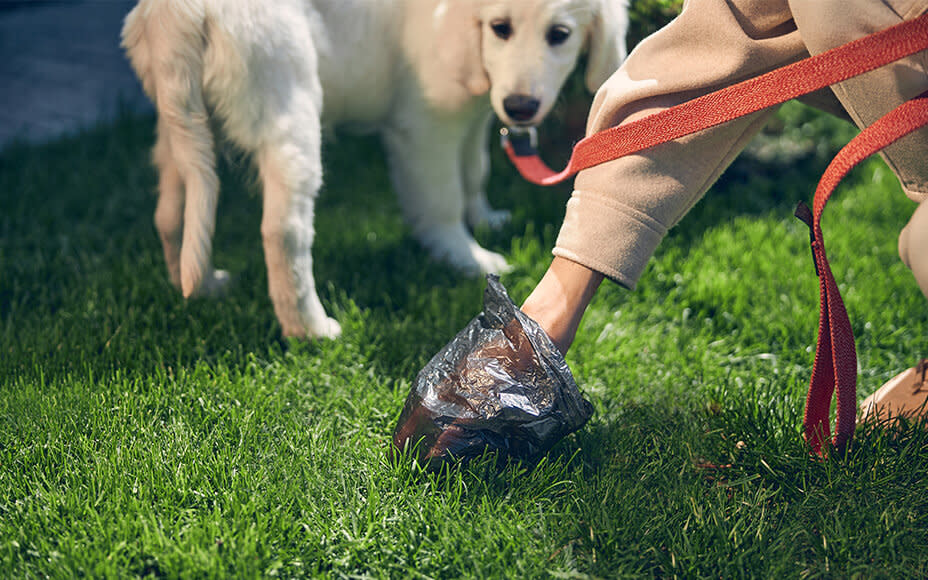
To diagnose, the dog's stool is examined – either with a rapid test or in the laboratory.
The result is in and your dog has a
giardia infection. How are dogs treated for giardia and what do you need to watch out for?The
treatment is unfortunately often lengthy and recurring infections are common. There are various active ingredients in antiparasitics that can be used, such as fenbendazole.The medications are given as tablets
that you can give your dog at home with a treat. Usually, two treatment cycles with a one-week break are carried out. However, there are different treatment protocols, which are constantly being developed. Some particularly severely affected animals lose a lot of fluids due to severe diarrhea and become weak and dehydrated. In such cases, a hospital stay with IV fluids and painkillers may be necessary. In most cases, however, you can treat your four-legged friend at home with the tablets.If you have multiple dogs
, it is recommended to treat all dogs, as the others may be affected even without clinical symptoms. Even if a giardia infection is discovered by chance, your dog should be treated to reduce the risk of transmission to you or your children.Strict hygiene with giardia infectionIt is very important to also think about your dog's
environment
:You should change the drinking water several times a day
Wash the food and water bowls every day with
hot water to clean them.Clean your dog's bedding thoroughly, ideally with a suitable
disinfectant. Get advice from your vet or a specialist retailer on which products are suitable.Clean floors with water over 60 degrees or a steam cleanerKeep your dog's anal area
clean so that no infected feces can be licked and cause reinfection.
Washing with shampoo removes cysts from the coat, and clipping
the anal area can also help if your dog has long hair.Always pay special attention to hygiene and wash your hands thoroughly after picking up feces or washing your pet.
About a week after the second treatment cycle you should have a
repeat stool test done to make sure you have beaten the parasites.When washing your dog use a mild shampoo that is gentle on coat and paws. With Pets Deli Care, we ensure
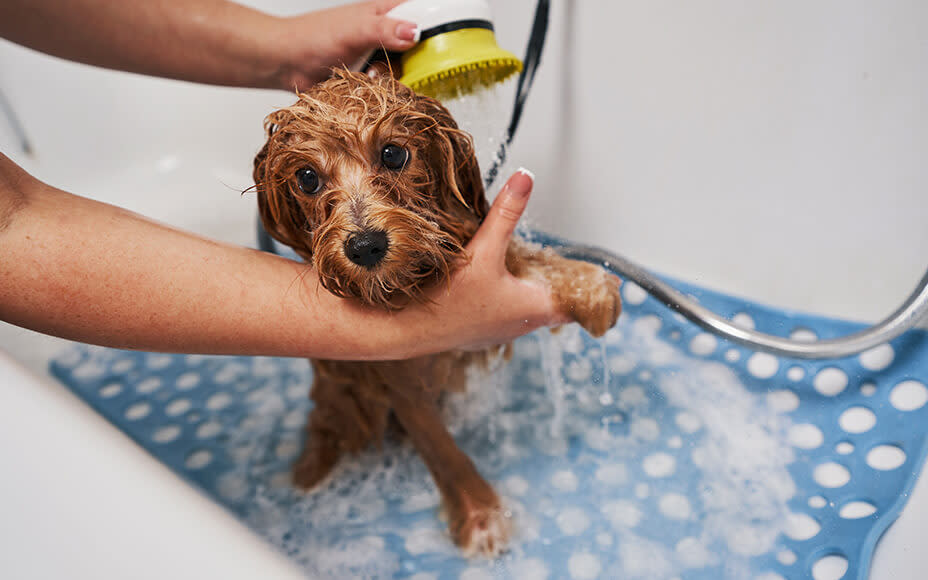
A gentle bath removes giardia cysts from the coat and reduces the risk of transmission or re-infection via the fur.
gentle care, which is guaranteed vegan and free from unnecessary additives.Can I get infected?It doesn't happen very often, but the answer is: yes
I CARE for you - clean and well-groomed with our care products for dogs
,
humans can also get infected with giardia. Children are particularly at risk, as they sometimes eat sand from sandboxes or put their fingers in their mouths after cuddling with the dog. There are different types of giardia. In dogs, types C and D are most common. However, up to 20% of cases are caused by type A, which can also infect humans.Hygiene is absolutely essential when handling infected feces. Always wash your hands thoroughly after every cuddle session.
What else can I do?According to some studies, it is helpful during a giardia infection to avoid carbohydrates and excessive
fat content
as much as possible. So make sure to treat your dog to grain-free, low-carb food during this time. Try our →low-carb wet food and →BARF products. Your dog should also avoid dairy products if they are fighting giardia.Even if you don't get rid of the giardia on the first try, don't give up. Pay attention to strict hygiene and don't forget your pet's environment, and you'll definitely succeed.
You'll love to try BARF!
Don't give upPay attention to strict hygiene and don't forget your pet's environment, and you'll definitely succeed.