
Recognizing and Properly Treating Stroke in Dogs
A →broken leg, a →slight stomach upset, and a little sniffle are usually well tolerated by many four-legged friends. However, with serious illnesses that affect the brain like a stroke, every minute counts, and in case of emergencies, you should be well equipped with the necessary information. Learn more here about the causes, symptoms, diagnosis, and treatment options for a stroke in dogs.
What is a Stroke and What Causes It?
The brains of our four-legged companions, just like ours, are supplied with oxygen through the blood. During a stroke, this supply is interrupted because a blood vessel has been damaged or a blood clot has formed. The consequence: Oxygen can no longer be transported. From this point on, nerve cells continuously die, which is why every second counts in this condition, and your four-legged friend must be taken to a veterinary practice or clinic immediately at the first signs.
The cause is disruption of blood flow in the brain. Deposits or clots narrow the pathway until they eventually completely block it, triggering a stroke. High blood pressure can also damage or rupture an artery, leading to a brain hemorrhage with a stroke. Risk factors that favor a stroke in dogs include:
- old age
- obesity
- lack of exercise
- heart defects
- poor diet (too much fat, sugar, spices)
- accident or blow to the head

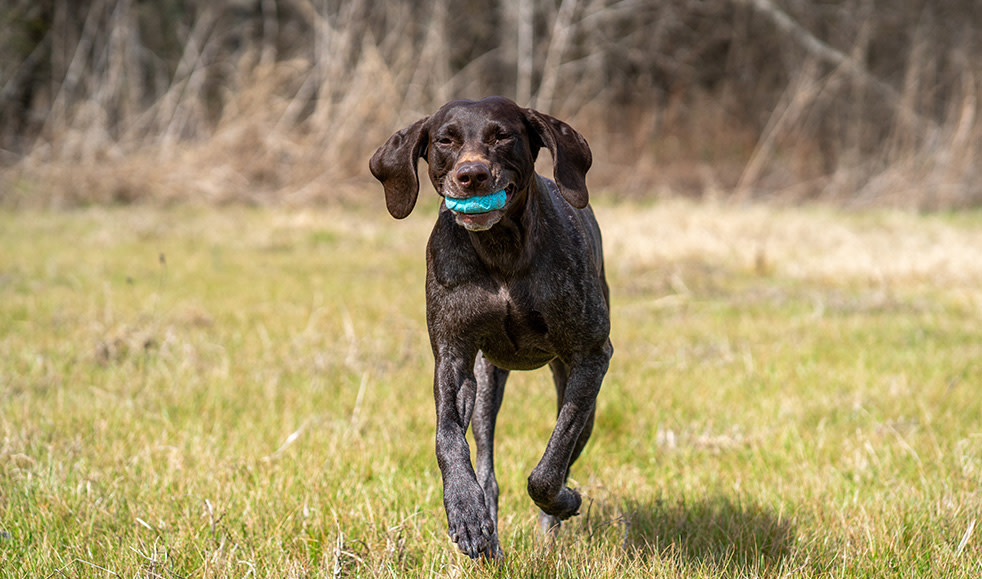
A healthy diet is not only an important factor for a long life for us humans. At Pets Deli, we have made it our mission to bring →healthy food into every bowl. With fresh meat, crunchy fruits and vegetables, selected herbs, and rich oils, we are always striving to create the best meal and enable a dog to have a long and healthy life. Unhealthy additives like grains, sugar, and artificial colorings and flavorings are not found in our products.
Unser Futter für Hunde: gesund, ehrlich, lecker.


Symptoms: How to Recognize a Stroke in Dogs
If you observe the following symptoms in your dog, a stroke may be behind them, and you should immediately clarify this with your veterinarian:
- lethargy
- balance disorders
- weakness
- restless pacing
- impaired vision and uncoordinated movements
- vomiting and urinating
- twitching eyes
- tilted body posture, especially of the head
The symptoms are very similar to those in us humans - only your four-legged friend unfortunately cannot tell you when he feels strange. Especially if your dog is a bit older or has pre-existing conditions related to the heart and/or blood vessels, you should keep a close watch on him.
Confusingly Similar: Vestibular Syndrome
A stroke is often confused with vestibular syndrome. The symptoms are very similar, but the loss of balance occurs due to problems in the inner ear. The effects can be compared to a hearing loss in humans. For your dog, this is very uncomfortable but is usually well treatable.
If your dog shows the symptoms, you should not waste any time and go directly to the practice.
First Aid Measures if Your Dog Has a Stroke
With the following measures, you can support your dog until you arrive at the veterinary practice:
- stay calm
- lay the dog comfortably on its side
- provide care during the drive

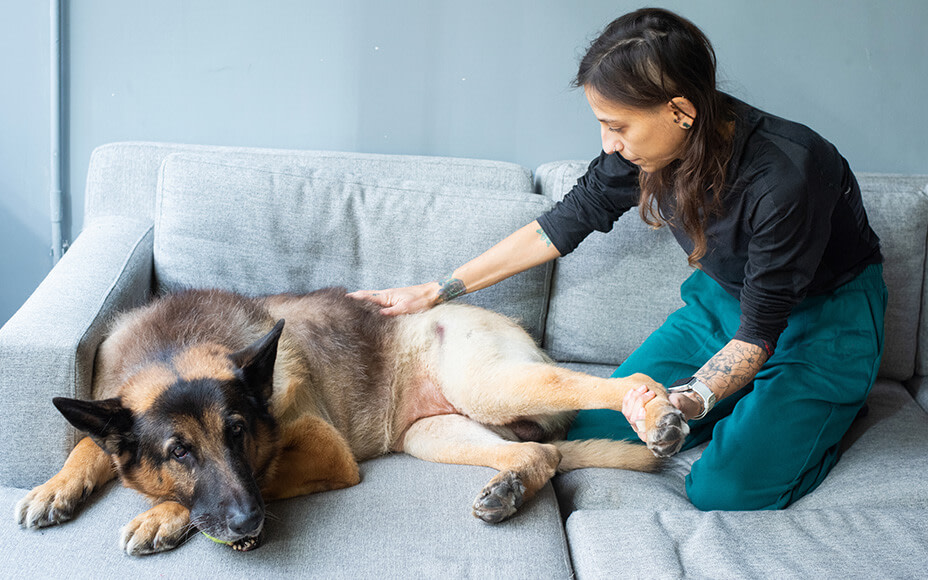
[TRANSLATION ERROR] Hat dein Hund einen Schlaganfall, ist zügiges, aber sensibles Handeln gefragt. Platziere ihn bequem und steh ihm bei, während du Ruhe ausstrahlst.
Diagnosis and Therapy of a Stroke or Vestibular Syndrome
In the practice, veterinarians will first check whether your furry friend is suffering from a stroke or if vestibular syndrome is behind the symptoms. If a stroke is diagnosed, measures will be initiated to clear the blocked vessels. Unfortunately, there is currently no way to restore dead nerve cells, and depending on how much time has passed, paralysis and cognitive impairments may remain. In addition to medications, physiotherapy often helps to mobilize paralyzed body parts.
In almost all cases, however, the symptoms are due to vestibular syndrome, which is well and quickly treatable. Due to circulatory disorders in the balance organ, dogs show dizziness, vomiting, circling, and staggering. Here, treatment mainly involves a home remedy: rest. Your four-legged friend needs a quiet retreat where he can recover free from stress and noise from children. Additionally, medications with cortisone and B vitamins promote circulation and reduce inflammation. Here, you should rely on the assessment of veterinarians and in no case reach for your home pharmacy.
Is your four-legged friend not a fan of the small pills and needs a bit of persuasion? Our liver pâté is the best assistant when it comes to making the medications more palatable for your dog!

Prevention of a Stroke in Dogs
To prevent a stroke, the following measures can reduce the risk:
- enough exercise
- healthy diet
- adhere to precise feeding recommendations to avoid obesity
- avoid chronic stress