
When is bad breath in dogs normal?
If a friendly pant, a hearty yawn, or a little burp creates a bit of a stink for you and your four-legged friend, then bad breath is in the air. Just like with us humans, a little bit of bad breath is sometimes just normal. For example, if your dog has just had a relaxing nap or has enjoyed something tasty, he might smell a bit strong from his mouth afterwards. In this case, it usually helps to let your dog have a drink.
However, if bad-smelling breath means little Fido is no longer allowed to cuddle on the sofa, you should pay attention. Because persistent bad breath is a sign that something is wrong.

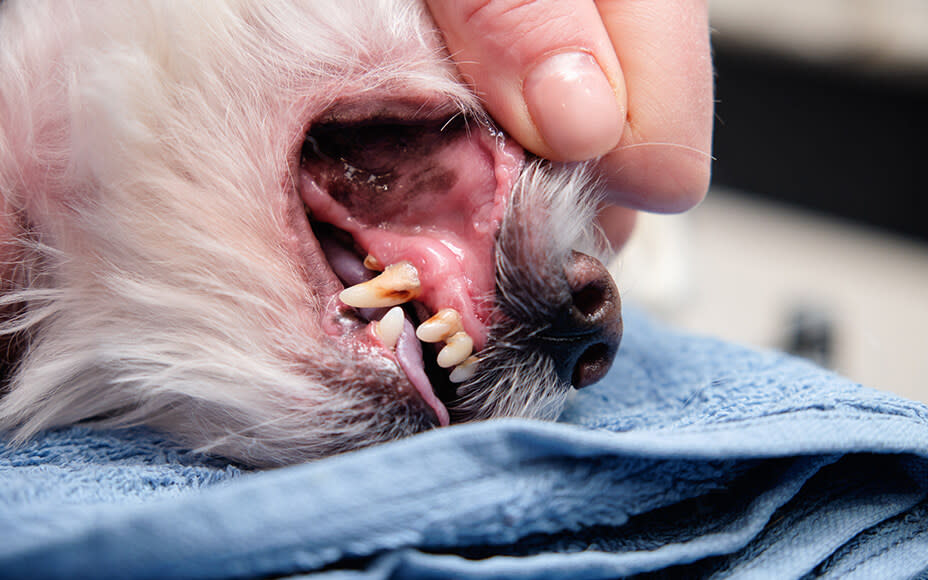
Plaque, tartar, and in the worst case decaying teeth and inflammation lead to bad breath in dogs.
Bad breath caused by food
Just as we might not smell so pleasant from the mouth after indulging in a kebab with extra garlic sauce the day before, your dog can also smell a bit stronger from the mouth after a tasty piece of tripe, for example. This bad breath should, however, disappear on its own after a short time.
It's a different story if the bad breath is persistent. Then it's worth taking a critical look at your dog's food. Grains, sugar, and vague terms like "animal by-products" should not be listed there. Low-quality food and table scraps have a negative impact on your dog's oral flora. They promote the growth of bacteria, which in turn can lead to bad breath.
With a →healthy food with high-quality ingredients you can help your furry friend stink less. Not only bad breath, but also a strong-smelling coat can be a sign of low-quality food. At Pets Deli, we know how important high-quality composition and quality are in food. That's why only carefully selected ingredients go into our bowls!
Healthy on the go - with the best food!
Bad breath in dogs due to poor oral hygiene
The most common causes of persistent bad breath in dogs are diseases in the mouth and throat area. These include plaque, →tartar and, in the worst case, rotten teeth and gum diseases such as →periodontitis.
When food residues combine with saliva they form a coating on the teeth, known as plaque. If this is not removed, for example with harder chew snacks or →regular tooth cleaning, the coating can harden and tartar will form.
If tartar is left untreated for a long time, it encourages further accumulation of bacteria in the mouth and can—you can probably guess—lead to severe bad breath and, worse still, to chronic →gum inflammation develop. If you notice yellow deposits on your dog's teeth and/or he refuses his usual dry food, these are signs of dental problems. In this case, you should have your pet checked by a veterinarian.
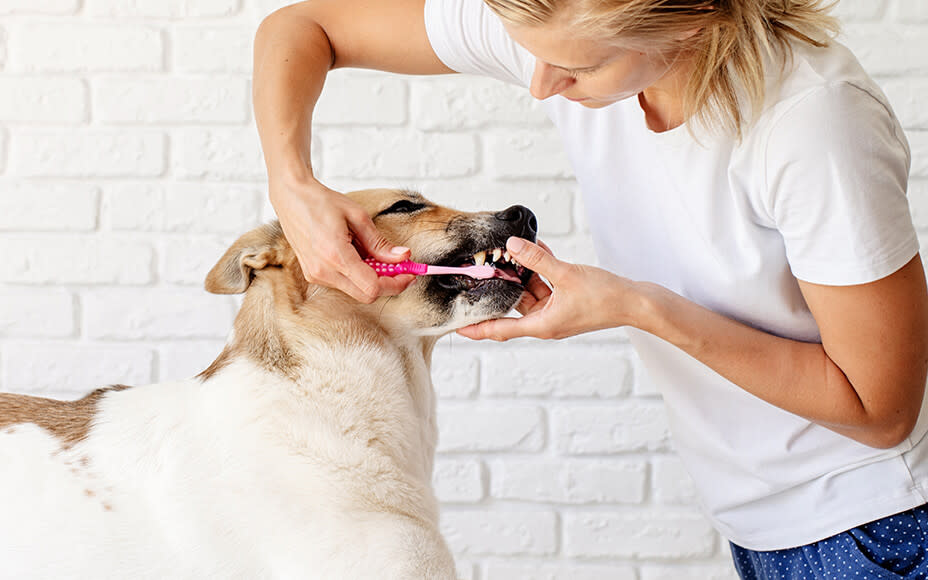
The most effective protection against plaque and tartar is still brushing your teeth!
Injuries to the oral cavity
Sticks, balls, bones... our dogs put all sorts of things in their mouths. This can sometimes lead to minor injuries. Even when roughhousing with dog buddies a scratch in the mouth can happen. Smaller, sore spots usually heal well on their own on their own. For larger wounds or if you suspect a swallowed object you should, however, go to a veterinary clinic and have your dog examined.
Viruses and bacteria
As you've already learned above, bacteria can accumulate in your dog's mouth and cause bad breath. But viruses such as the herpes virus for example, are also often responsible for bad breath in dogs.
Your dog can pick up these viruses practically anywhere—from other animals, from a puddle, or while sniffing or →snacking on feces. Viruses weaken the immune system and give bacteria the opportunity to multiply excessively. Here too, medical treatment is needed so your dog can feel better and the bad breath disappears.
Teething in puppies
A stronger mouth odor can also occur in puppies during the →teething phase. The milk teeth gradually loosen, your dog rubs and scratches his mouth more often, because it itches and hurts. Also, →biting on hands or other objects is not uncommon. This can lead to inflammation and bleeding of the gums. In combination with trapped food residues this creates the perfect breeding ground for bacteria. The result: foul-smelling bad breath.
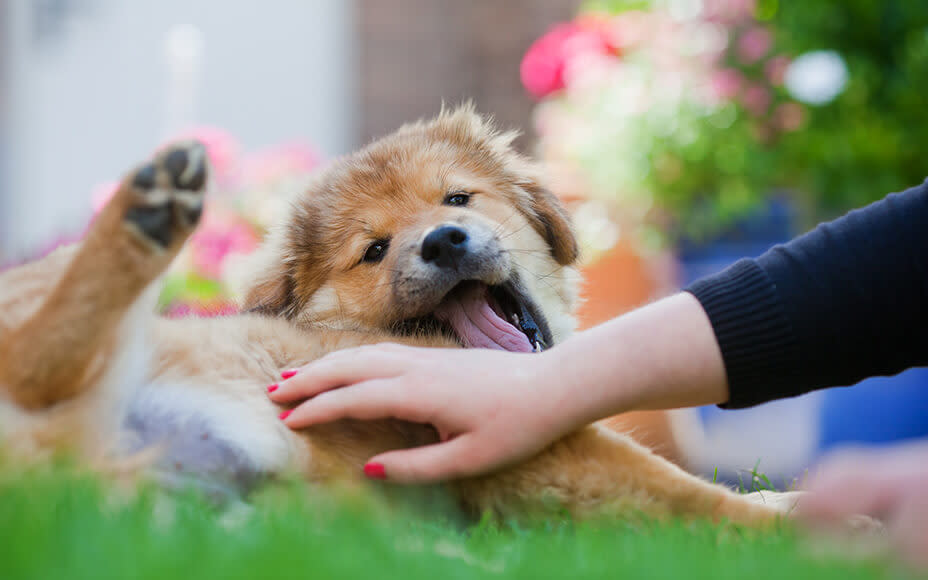
Puppies may develop slight bad breath during teething. However, this should go away on its own.
At first, a little bad breath during teething is nothing to worry about. However, if the problem persists even after teething you should have the vet take a look inside the mouth. Perhaps a milk tooth hasn't fallen out or has broken off and is now festering.
A little tip: A teething puppy wants to chew and gnaw especially much. During this time, you can help your puppy cope with the pain using special chew toys or healthy chew snacks to get through it.
Tasty rewards for hardworking puppies
More serious illnesses
Even though in most cases something harmless like plaque is behind bad breath in dogs, more serious illnesses should not be ruled out. Rarely, disease of other organ systems such as the liver or kidneys is responsible for bad breath. The possible diseases include:
severe inflammation of the mouth and throat area, for example, purulent tonsillitis
Tumors in the mouth, throat, or neck area
Fungal infection of the oral mucosa
Diseases of the gastrointestinal tract
Metabolic diseases, for example diabetes
Kidney or liver diseases
To detect or rule out a more serious illness in time, you should not ignore persistent bad breath in your dog. Get to the bottom of it and have your pet checked out just to be safe. If detected early, many diseases are easily treatable and your furry friend will soon have minty-fresh breath again!