7 great dog breeds from Australia
Australian dog breeds not only look great, but they also have a lot to offer. It's no coincidence that these smart heads are often used for work with animals and humans. Many of the Australian breeds are now well-known here and are appreciated for their high willingness to work.
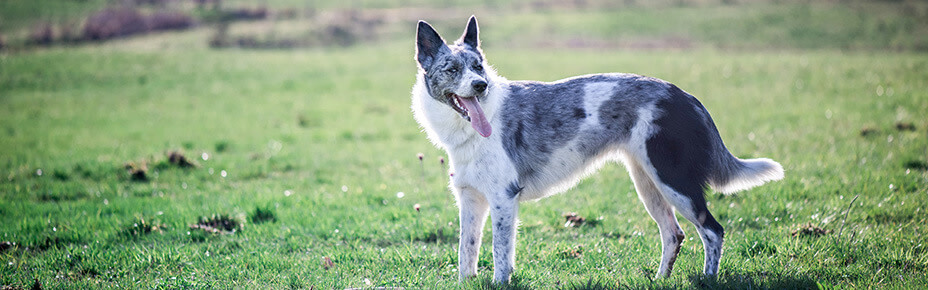
Australian Cattle Dog (Heeler)
Like in the past, the Australian breed is a popular helper on farms and ranches. As an active herding dog, the task of the Australian Cattle Dog is to drive cattle herds to pastures and into barns. Anyone interested in this clever four-legged friend should always keep in mind the strongly pronounced willingness to work of the Cattle Dog and find him a task. Various dog sports like herding ball, agility, or disc dog are suitable for this.
The →medium-sized four-legged friend is a clingy family member and very people-oriented. However, like almost all working dogs, he tends to develop bad habits without proper engagement. His sporty and clever nature can be overwhelming for novice dog owners. Experienced lovers of his temperament will find in him a loyal friend who brings a lot of joy.

Australian Stumpy Tail Cattle Dog
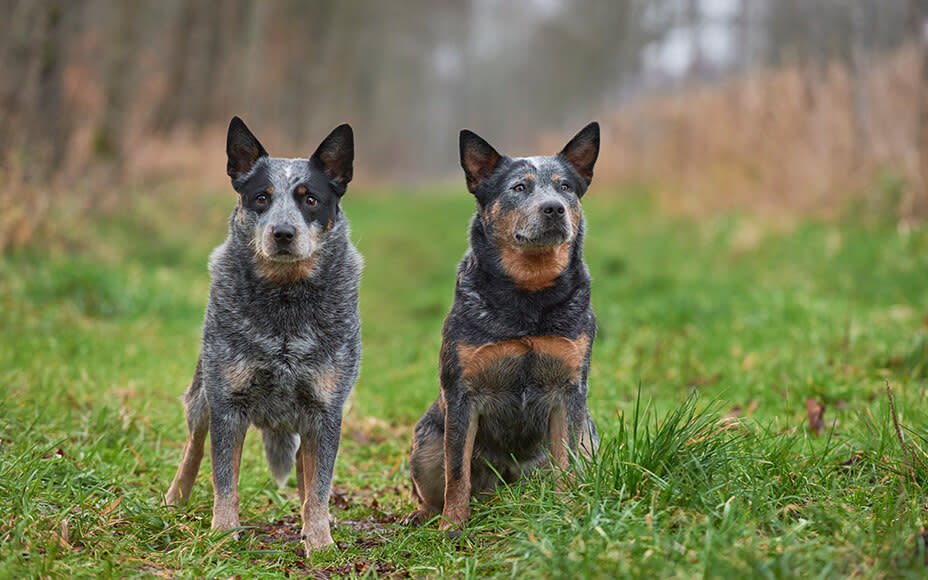
Similar to the Australian Cattle Dog, but with a congenital stub tail, the Australian Stumpy Tail Cattle Dog is also a robust working and herding dog. His even higher willingness to work needs to be encouraged and challenged. And let it be said: Dog sports are not always sufficient for this working breed.
A significant difference from his namesake is that the breed is very shy and suspicious of strangers. At the same time, he needs guidance from confident people. He wants to fulfill his instructions reliably and correctly, thus longing for close contact with his caregivers. Although the Stumpy Tail Cattle Dog has a high willingness to work, he is rather unsuitable as a companion dog.
Australian Kelpie (Barb)
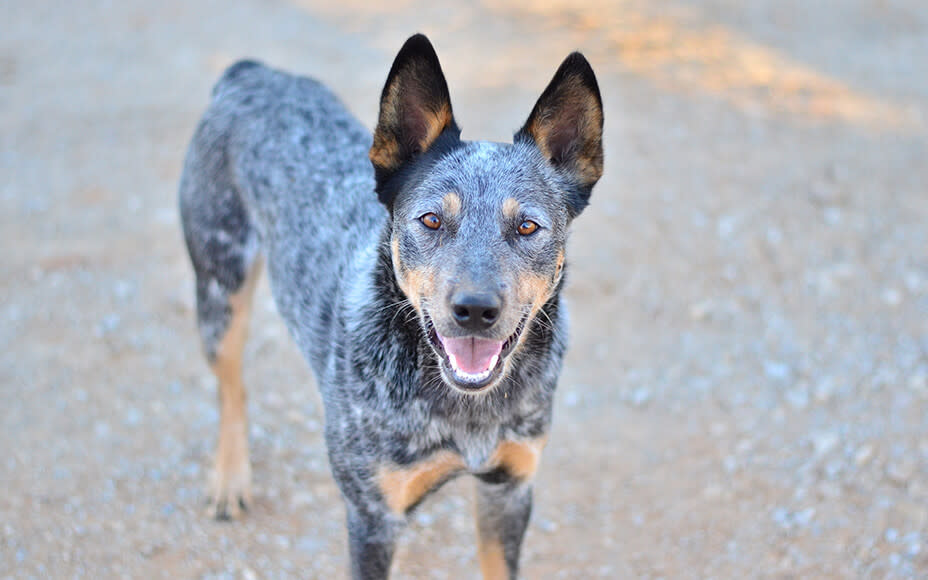
Not only does the clever all-round talent make the hearts of Australian dog lovers beat faster. As a loving herding dog, the Kelpie is practically the sporty version of a family dog. The Australian breed has inherited its intelligence and high willingness to work from its ancestors, the shepherd dogs, making it incredibly fun to work with them.
If you don’t have your own flock of sheep in the garden, it’s best to engage in dog sports with him. Ideally, these are activities like agility or canicross, where the Kelpie can really let loose. His temperament and high commitment can sometimes overflow, which is why a calm yet consistent training is especially necessary.
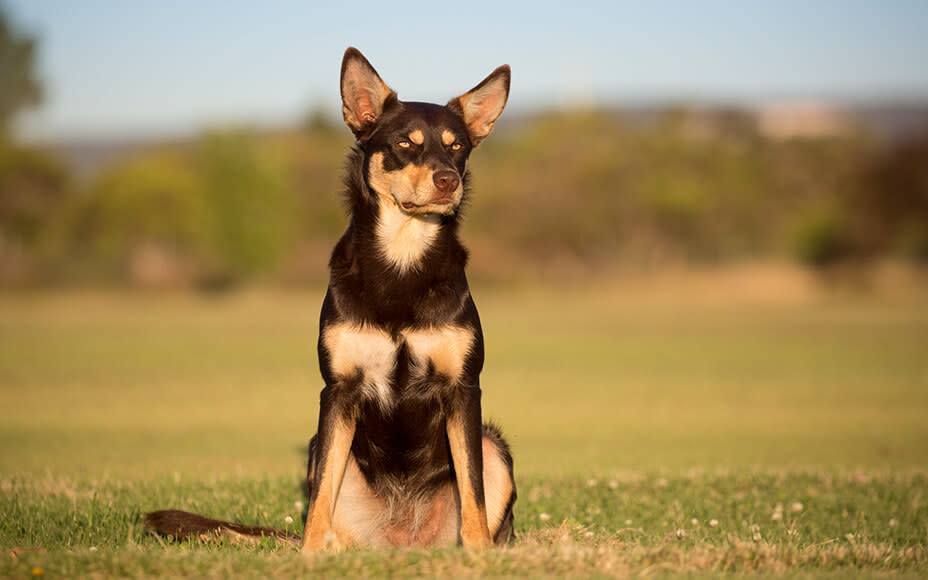
Sporty dog breeds like the Kelpie rely on a protein-rich diet. Our →Extra Meat wet food is perfect for real athletes and meets your dog's needs in a healthy way.
Do you want it extra fresh, natural, but still uncomplicated? With our →3-2-1 BARF concept, you can provide your four-legged friend with a fresh, balanced diet with bite!


Australian Silky Terrier
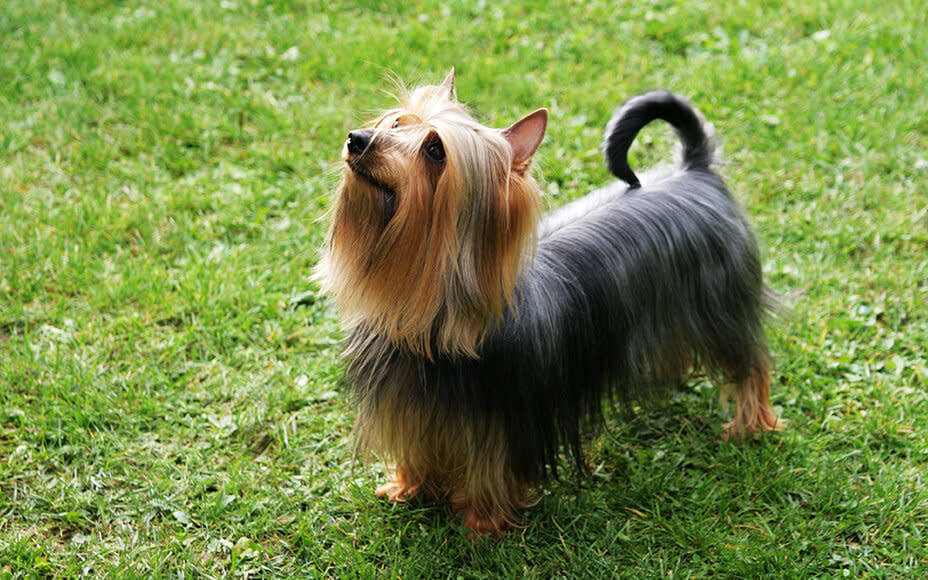
Like the Yorkshire Terrier, but from Down Under? Not quite! Even though the two look similar, the Silky Terrier packs a bit more in terms of size and energy level compared to the Yorkie. Beneath the silky coat of this small dog breed lies a true terrier: lively, alert, and very clever.
He loves his people dearly and seizes every opportunity to snuggle. However, one should not fall hopelessly for this heartbreaker - the →small dog breed requires a consistent upbringing from puppyhood, which should be manageable for dedicated beginners.
Australian Terrier
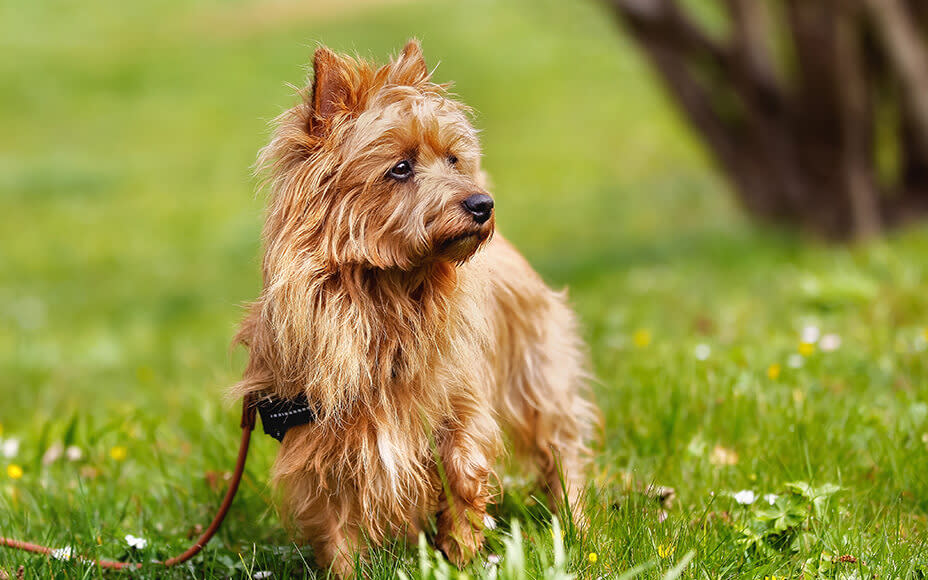
If you are looking for a sporty four-legged friend in handbag size, the Australian Terrier is a great match. In fact, this breed is "the real" Aussie. His cousin, the Australian Shepherd, actually comes from the USA.
Cheerful, playful, and open-minded, the Australian Terrier is up for any adventure. As is typical for a true terrier, he can be a bit rough and daring at times. However, with early socialization and the right handling of his temperament, he gets along well with other dogs and people.
Labradoodle
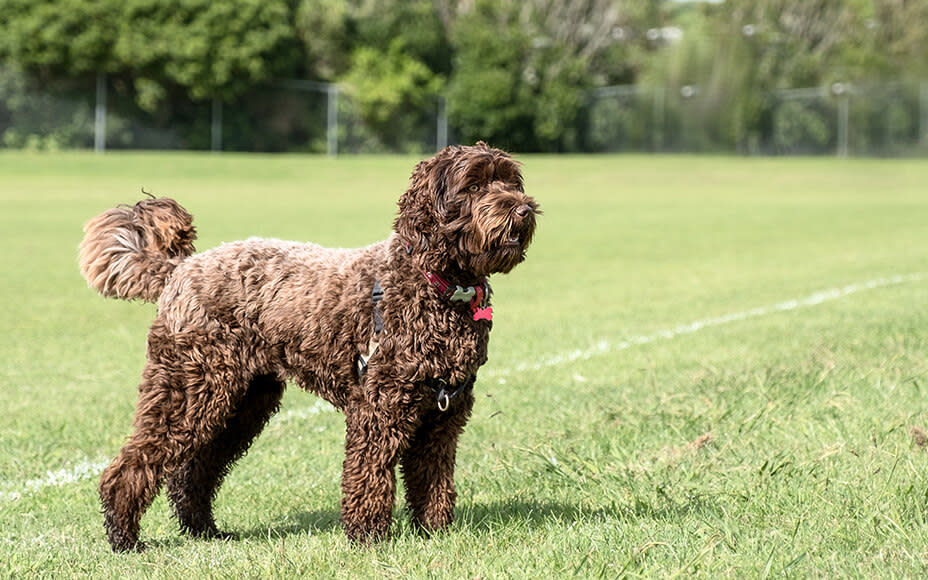
Nowadays well-known and popular, the Labradoodle is a relatively new breed. The reason for the breeding was the desire for a companion dog for people with visual impairments that does not shed. The crossbreed between the established therapy dog Labrador and the non-shedding Poodle** was successful: Out came the Labradoodle and many other →Doodle dog breeds.
In addition to training as a therapy and companion dog, the Labradoodle is also very popular as a →family dog. His sociable and friendly nature makes it easy to train him. However, one should not underestimate the clever nature of the Poodle. Thus, the Australian breed is not a couch potato but wants both physical and mental stimulation.
Labradoodle as a trendy dog?
The Labradoodle quickly became popular due to its cute appearance. Unfortunately, due to high demand, there is a great temptation to profit from the designer breed. This has resulted in some sick and unstable dogs today. To steer Labradoodle breeding in a more professional direction, the breed has already been recognized as a separate breed by the Continental Kennel Club in the USA. However, this is not yet planned for Europe. If you are interested in a Labradoodle, make sure to choose a good breeder.
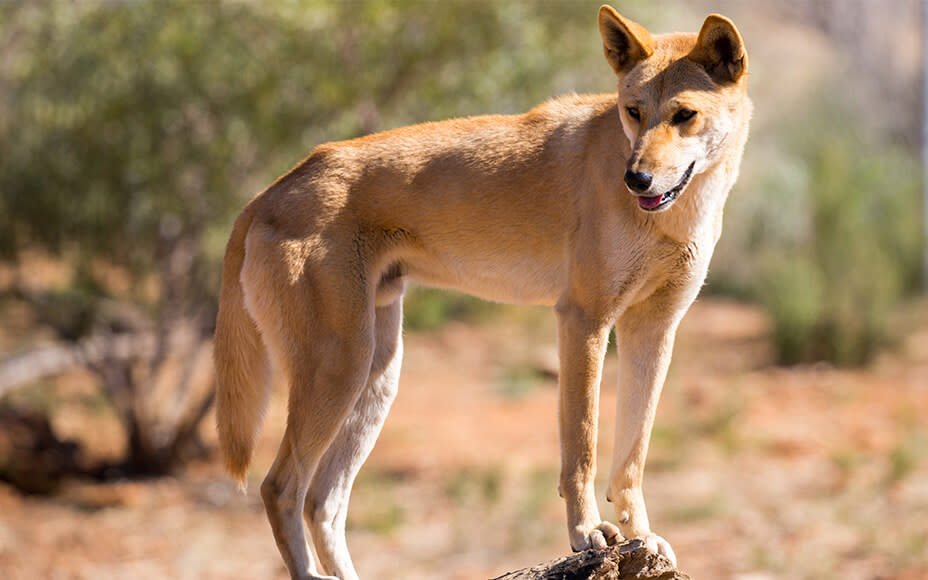
The Dingo - the pet that is not a pet
Unlike many of our dog breeds, the Dingo was not kept by the Aborigines as a hunting or herding dog, but as a real pet. Whether as a "living" hot water bottle, for feeding organ leftovers, or for entertaining children - the keeping of Dingoes proved to be quite useful. However, even though the Dingo has lived alongside the Aborigines for years and is extremely people-oriented, the Australian breed cannot be kept as a pet.
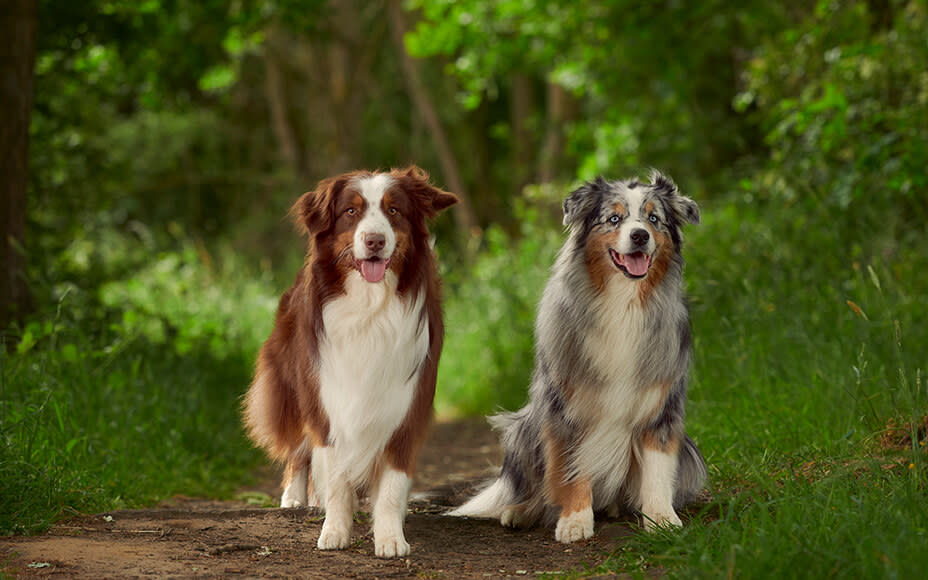
Australian Shepherd - the "Australian dog breed" from the USA
When thinking of Australian dog breeds, many immediately think of the popular "Aussie." However, the herding dog does not come from Australia, but from North America. The exact origin has not yet been clarified. However, it is certain that these clever four-legged friends were used for herding sheep, making the Australian Shepherd a rather demanding dog breed.