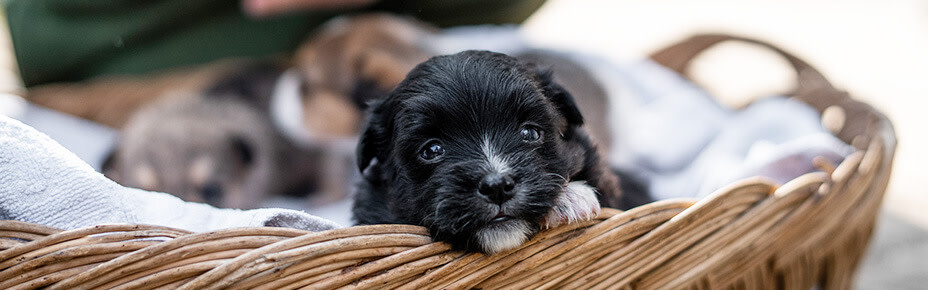
What you should consider when buying small dog breeds
Small dogs are considered particularly cute and are often brought home faster than a →large four-legged friend. However, when purchasing small dog breeds, you should think about some important things in advance. Especially very small dogs often have an increased risk of certain diseases. A daily routine with a Chihuahua looks different than with a Great Dane. We have compiled the most important tips for you.

Self-check: Does a small dog breed meet my expectations?
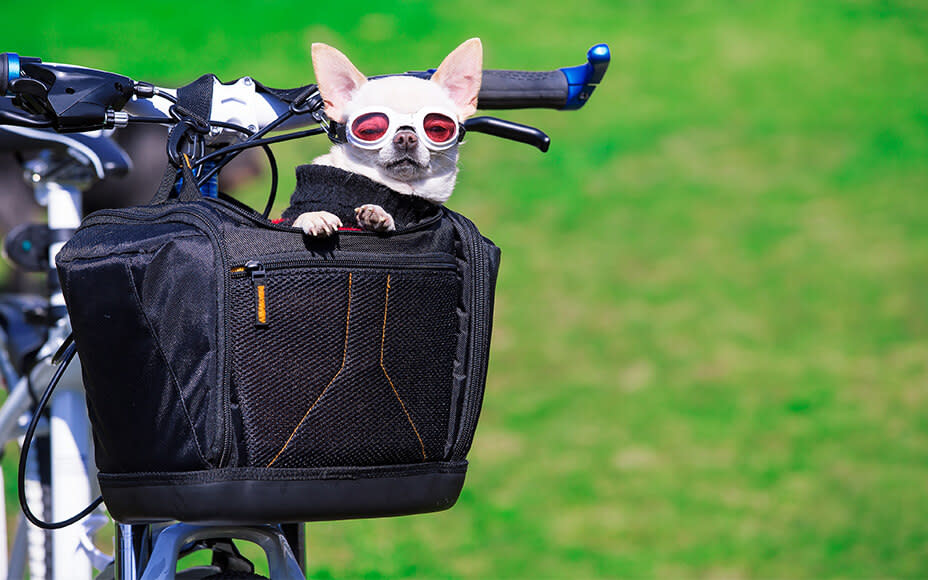
Check in advance whether your expectations for a dog can actually be met by a →small dog breed. If you want to go on bike tours or long hikes with your dog, your small four-legged friend can certainly join, but cannot really participate actively. Due to their small legs, they often cannot keep up with larger dogs. In such cases, solutions need to be found, such as a bike basket or a carrying bag. Perhaps a →medium-sized dog breed would be a better companion for you.
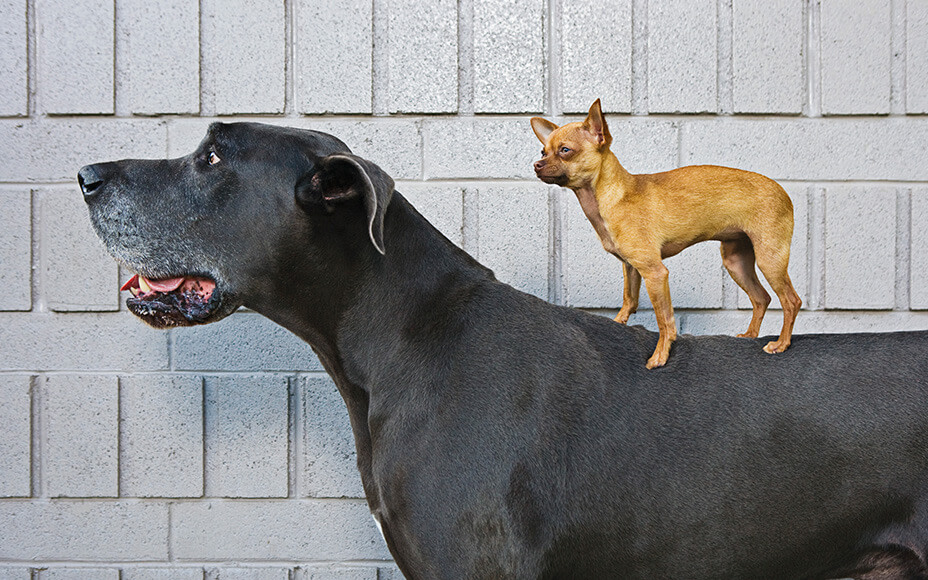
When playing with other dogs, you should always keep an eye on the appropriate size and a similar weight class. Of course, your four-legged friend can and should have fun with larger dogs. However, it may happen that the large dogs sometimes play a bit rough. In this case, you should ensure that your beloved pet is not knocked over or accidentally squished, as this could lead to injuries. Some dog schools even offer play sessions specifically for small dog breeds.
Pay attention to a reputable breeder or organization
As with any dog, there are several things to consider when buying small dog breeds. To avoid unknowingly purchasing a sick animal or even supporting breeders or puppy mills, you should look for a →reputable breeder or a good animal welfare organization. If you are unsure, some dog trainers can also help you choose a suitable dog or breeder or organization.
Small, smaller, breeding for suffering?
Some →mini dog breeds suffer from specific diseases due to their overbreeding. Notably, patellar luxation stands out, which is partly due to the desire for the smallest possible dog breeds. Hip problems are also increasingly common.
Other common diseases of extra small dog breeds include:
- Dental diseases due to a too small oral cavity
- Heart diseases
- Vaccine reactions due to low weight
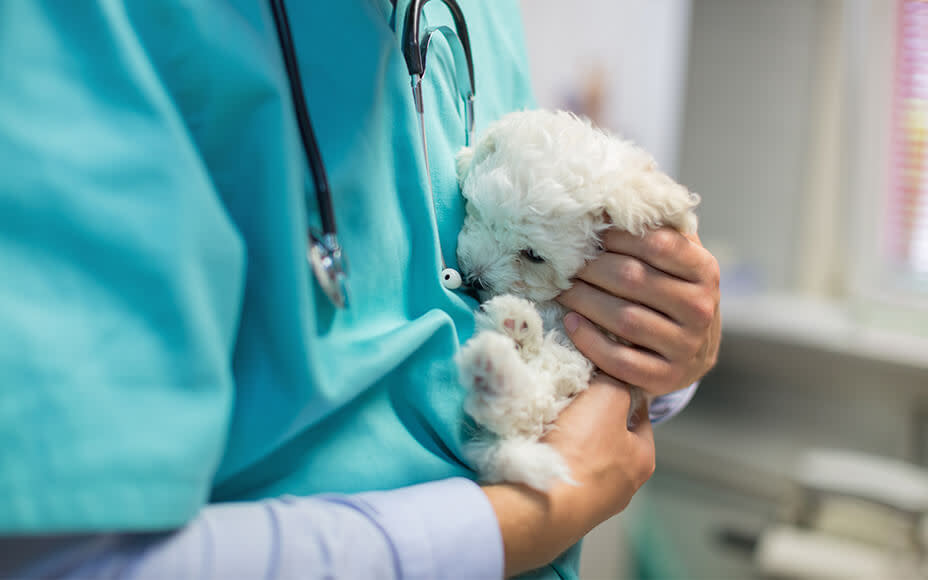
Therefore, it is important to ensure that you do not support breeding practices that aim to produce ever smaller dog breeds when purchasing. You should also avoid responding to ads with terms like "teacup dogs" or "mini dogs." Breeds that do not grow larger than a teacup are generally not healthy.
Small yes, but not a lap dog
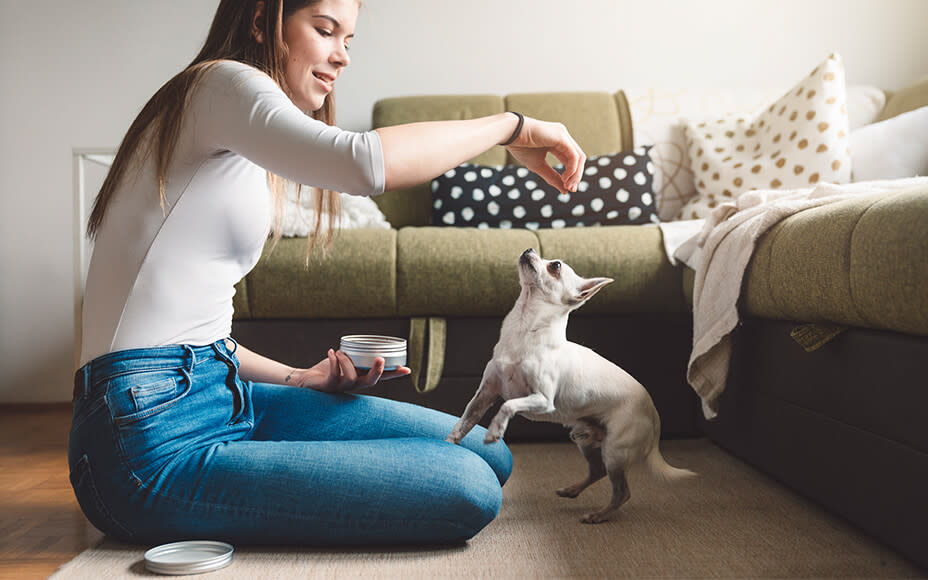
Not only physical limitations are noticeable, but also the behavior of very small dog breeds. It is evident that this tends more towards undesirable traits and is more frequently observed than in (larger) standard breeds. Even if your four-legged friend is small and cute, he or she should be well-trained and not spoiled. Pay attention to and respect the body language and needs of your four-legged friend and do not impose a life as a lap dog on them. Many of these furry companions are even very smart and enjoy tricks and mental challenges.
The right equipment for your four-legged friend
Leash, bed, and more - when a →puppy moves in with you, you will need various dog supplies. Again, it’s all in the details: Leashes for small dogs should be lighter and thinner, and the carabiners or hooks of the leash should not be too heavy. Of course, the bed size, harness, as well as food and water bowls should also be obtained in an appropriate size. Is your little darling riding in the car on your lap? That’s not quite right. Even small dog breeds should be properly secured during travel.
Probier's doch mal hiermit!
Pay attention to the right nutrition
Open a can and let them eat? Not quite. Even before purchasing a small dog breed, it is important to know what these furry friends actually like to eat (or can eat). Because if they differ from their larger counterparts, it is definitely in the type and amount of food. The →feeding recommendations depend, among other things, on the weight of your four-legged friend.
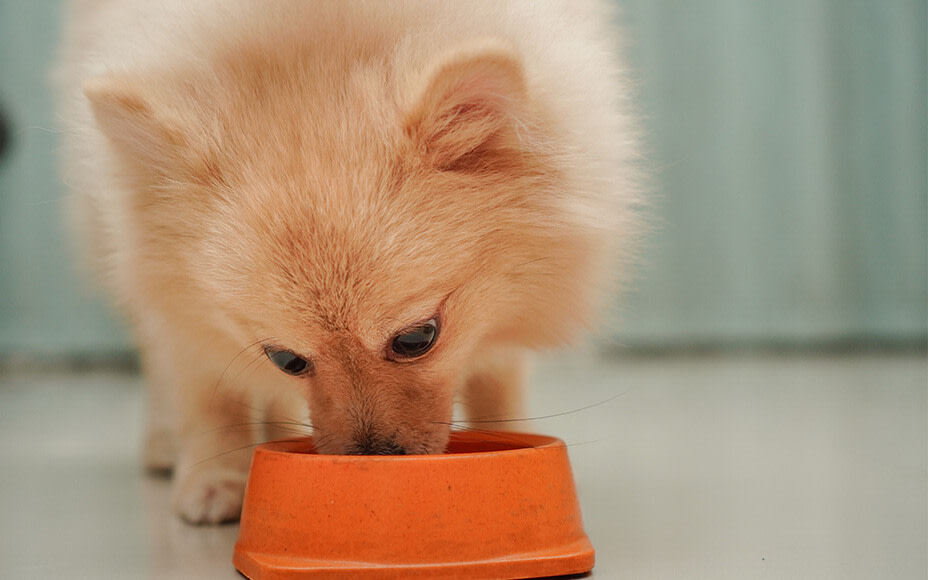
Additionally, small dogs are often pickier about their food. Due to their smaller jaws and teeth, it is often difficult for the minis to eat large food pieces or dry food kibbles. An adjusted size of these is therefore even more important and ensures better acceptance. We have developed our mini line specifically for the needs of small dog breeds: