Dog Breed Labrador Retriever - a Family Dog with Heart
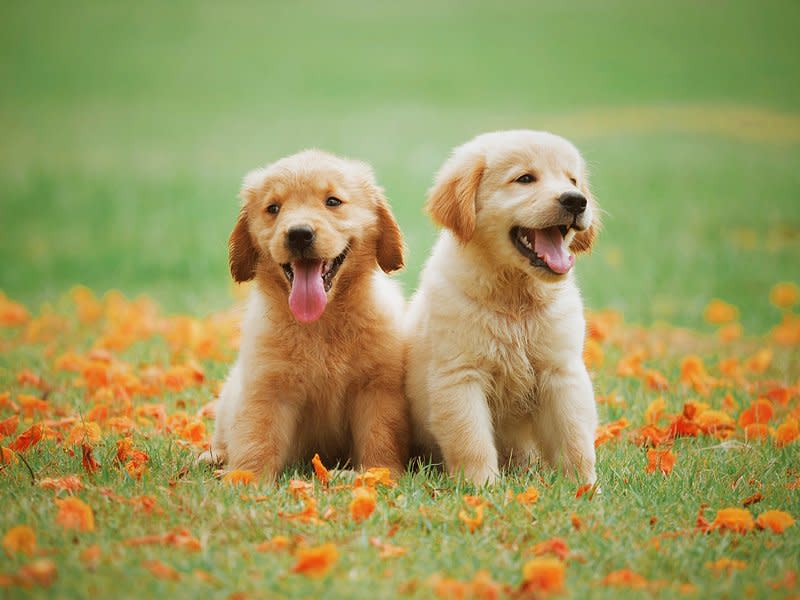
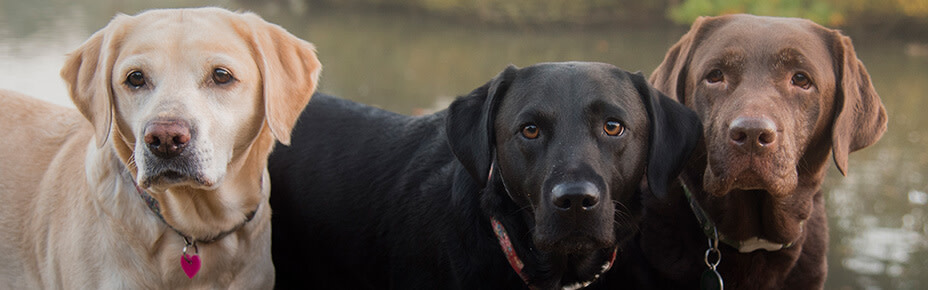
A loyal gaze, a loving nature, and many other traits make the Labrador Retriever the perfect companion. It's no wonder he is among the →most popular dog breeds. Even the →Labrador puppies are beloved four-legged friends with their unique, sweet appearance.
What to expect when you want to welcome a Labrador into your family, you will learn here.

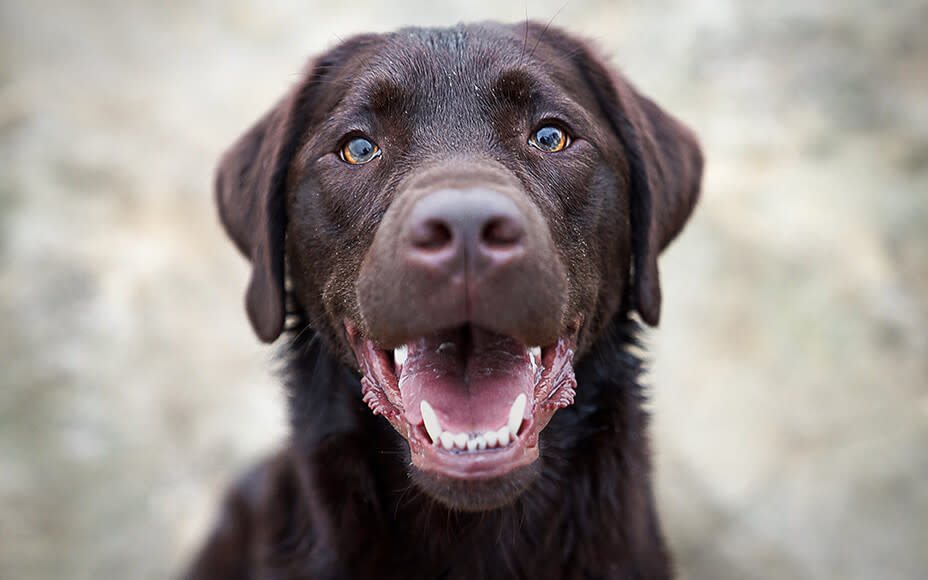
The Labrador in Portrait
Origin: Newfoundland
Size: 55-62 cm
Weight: 25-36 kg
Life Expectancy: 10-12 years
Character: active, balanced, affectionate, relaxed
Character and Nature
Gentle, relaxed and a true ray of sunshine - these character traits can contribute to your family through the Labrador. He gets along with people of all ages and loves to be part of the community. With his patient nature, he is also suitable as a →family dog for living with children.
Despite all the calmness, the essence of the Labrador Retriever does not lose sight of the fact that he was originally bred as a hunting dog. Due to his high endurance and desire for movement, he enjoys being outdoors for long periods. Because of this versatility, the Labrador is highly regarded as a guide dog for the blind, search and rescue dog, and also as a detection dog.
Give this a try!
Training and Care
Due to his balanced and →calm character, the Labrador is a highly pleasant family member. However, this balance does not come by chance: The more the Labrador Retriever receives exercise, the easier he is to handle and train.
Due to his size, it is advisable to keep him in a house with a garden. For apartment living, several additional hours for outings in nature must be planned, although this type of housing may not do justice to the size of the dog breed. If the Labrador lacks this opportunity for movement, it quickly shows in his energy levels.
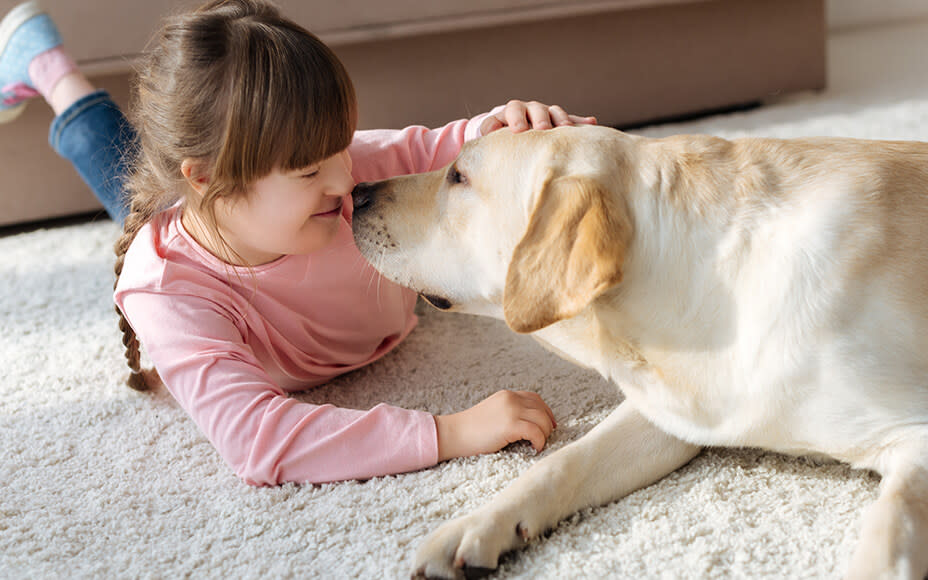
With his strong bond to humans, he needs a lot of social contact and attention. Therefore, he is certainly not a dog that can or wants to be left alone for an entire workday.
Labradors are eager to learn, but they only reach their potential if consistent training occurs from a young age. Due to their food affinity, training can be effectively managed with treats. This also means that begging should be prevented in a timely manner. To ensure nothing ends up on the hips, you should pay attention to a proper and →healthy diet as well as suitable snacks for training.