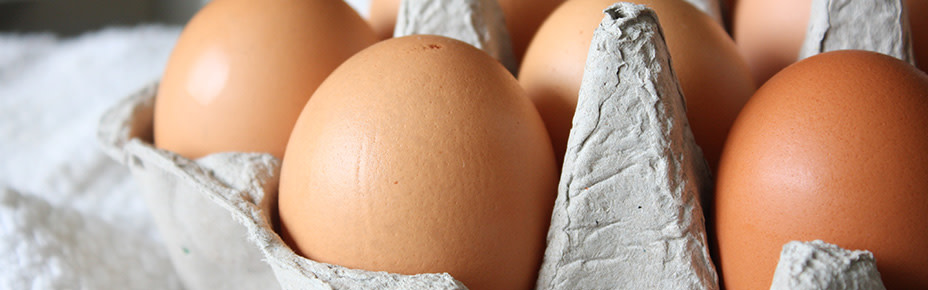
Can cats eat eggs?
In principle, eggs are not among the →toxic foods for your cat and can, when fed correctly, also be a healthy snack or a varied addition to their food. Especially the egg yolk contains valuable proteins and minerals for your furry friend.
However, make sure that a →healthy and high-quality cat food already contains all the necessary nutrients and that they are well balanced. If you want to feed your cat fresh ingredients, our BARF fresh menus might be just right for you and your house tiger!
Feeding raw or cooked eggs to your cat?
Letting the →cat lick a raw egg is said to be good for a shiny coat. The fact is, however, that you need to pay attention to several things when feeding raw eggs:
Feeding raw eggs:
- The egg must be very fresh.
- Only feed the yolk.
But why only the yolk when the egg white is low in fat and full of proteins? Well, for one, the yolk contains all the important vitamins, proteins, and minerals of an egg - not the egg white. On the other hand, raw egg white contains the protein Avidin, which can inhibit the absorption of biotin and thereby disrupt your cat's normal fat metabolism. Too much raw egg white can also lead to digestive disorders.

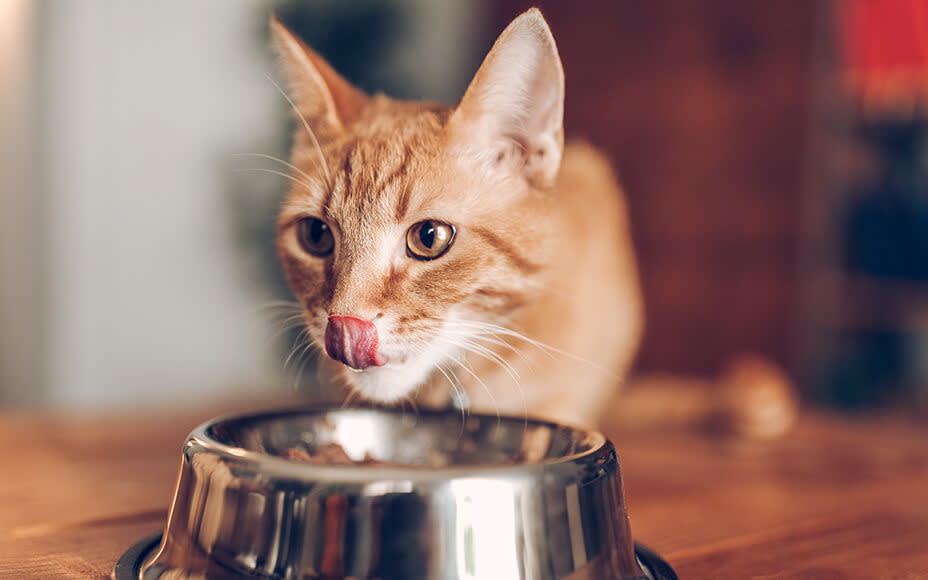
So you see: If an egg is for your kitty, then better cooked! But even here, there are a few things to consider:
Feeding cooked eggs:
- The egg white should be fully cooked.
- The egg should always be served unseasoned.
- The egg must be completely cooled.
- Peel the egg and cut it into small pieces before feeding it.
Don't feed too much egg!
As with all things, the same applies to feeding eggs: in moderation, not in excess. Even if your cat might be crazy about eggs and you would love to spoil her with them all the time, it should be a very special snack for exceptional situations. As a rule of thumb, you can stick to a maximum of one chicken egg per week. On the other days, you can spoil your house tiger with other tasty and healthy snacks.