
These are the best cat breeds for children
Whether a cat is child-friendly depends primarily on its character, not primarily on the breed. However, some cat breeds that are considered →particularly friendly are also said to be especially fond of children. Find out now which furry friend belongs to this category and whether it is →suitable for your family.
Our list of the 7 best cat breeds for children:
1. Ragdoll
The Ragdoll loves attention and wants as much of it as possible; it is reluctant to be without company. It particularly enjoys playing with children and shows itself to be gentle and calm with them.

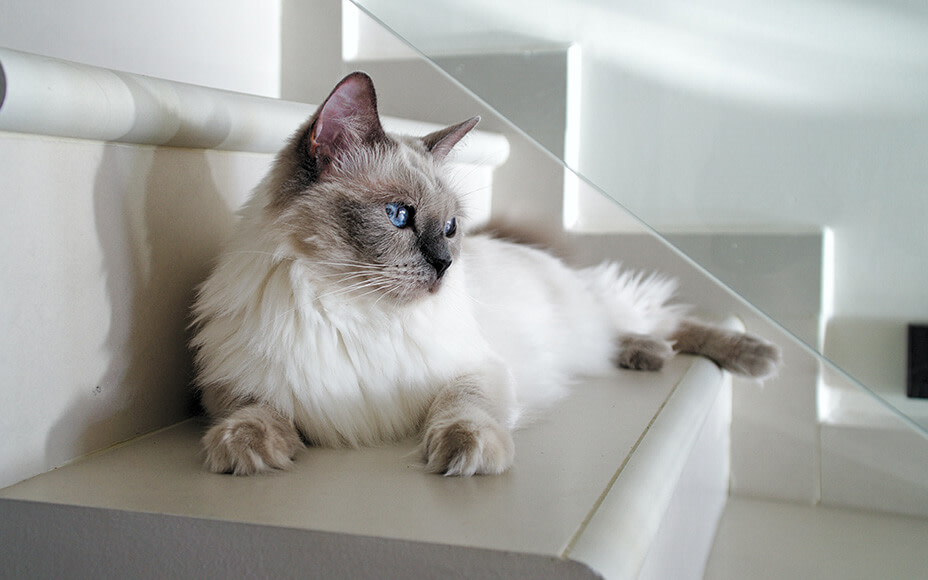
[TRANSLATION ERROR] Ragdoll – Die sanftmütige, flauschige Spielkameradin
2. Maine Coon
The Maine Coon is characterized by its patience and friendliness towards people. This furry friend adapts effortlessly to the bustling everyday life of a family and loves to play with children.
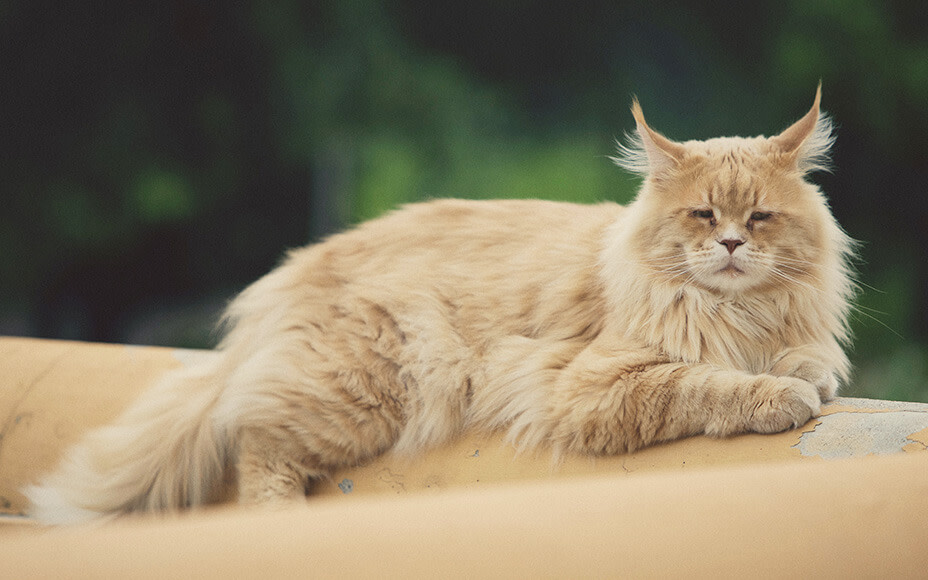
[TRANSLATION ERROR] Maine Coon – die geduldige, menschenbezogene Samtpfote
3. Angora Cat
The Angora cat also has a strong play drive. It is well-suited for a family with children or as a second cat.
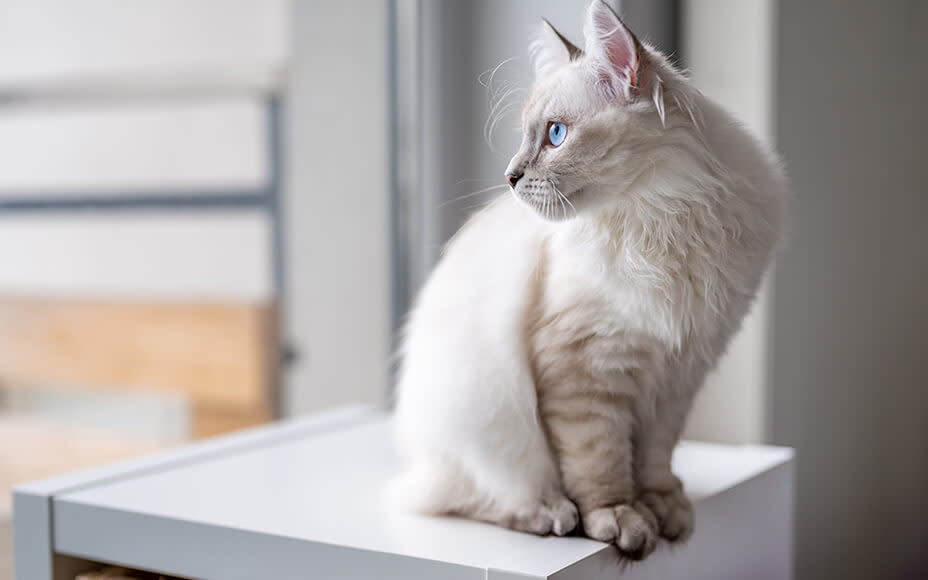
[TRANSLATION ERROR] Angorakatze – Mieze für ausgiebiges Spiel und Spaß
In addition to play and fun, your cat can also be enthused about learning tricks with the right snacks. Tasty motivation is essential for successful →cat training.


4. Persian Cat
The Persian cat is very good-natured; it enjoys cuddling and petting. It may sometimes want to have its own way. Once the Persian has settled in, it is friendly through and through.
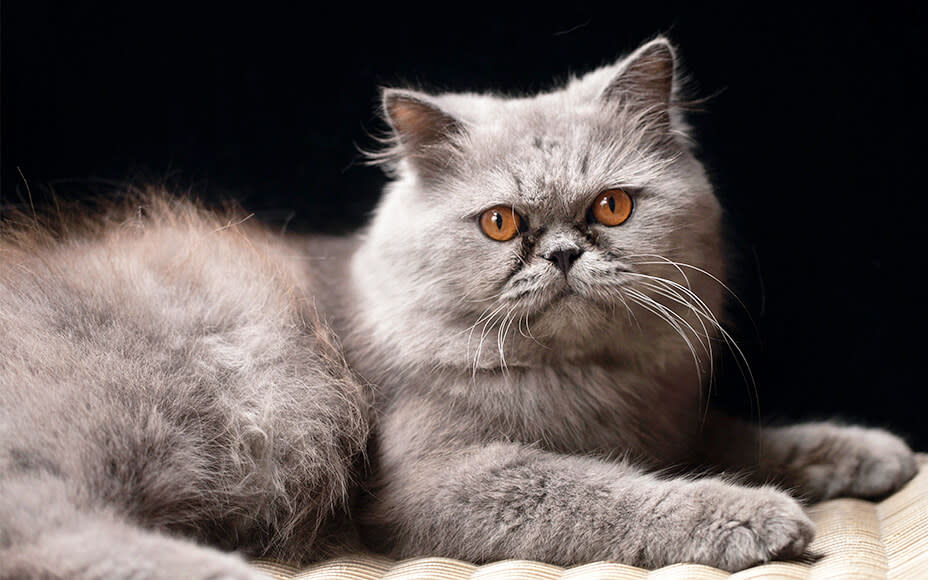
[TRANSLATION ERROR] Perserkatze – gutmütige, verkuschelte Katze mit eigenem Kopf
5. Somali Cat
The Somali prefers to be involved in everything because it is very curious. Its spirited nature loves to explore the area, and it enjoys the company of children or other pets with whom it can romp around.
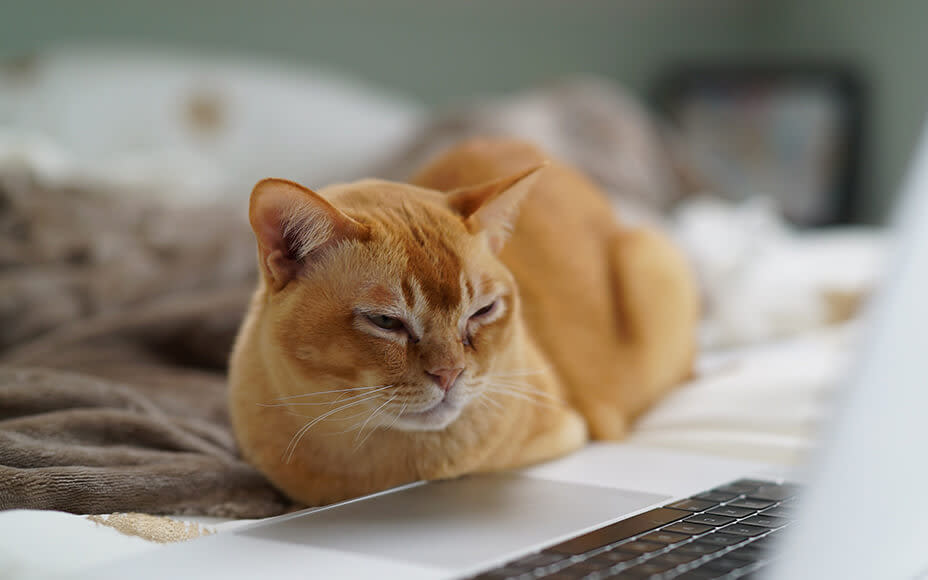
[TRANSLATION ERROR] Somali-Katze – temperamentvoller Stubentiger zum Toben und Spielen
6. Birman Cat
Friendly, gentle, and trusting? That’s the Birman, also known as the Sacred Birman. This furry friend feels most comfortable with children or other cats.
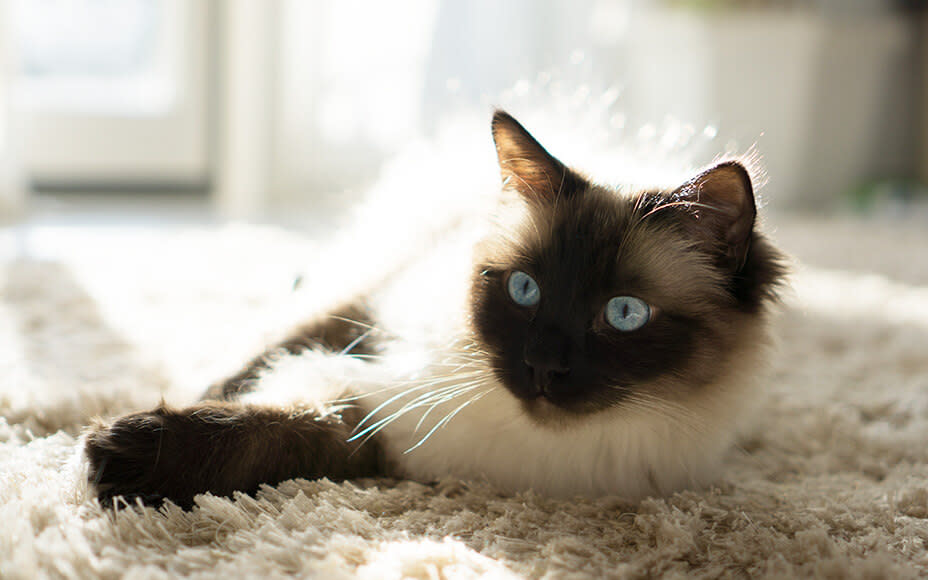
[TRANSLATION ERROR] Birma-Katze – anschmiegsame, heitere Fellnase
7. Siamese Cat
The Siamese is one of the most popular cat breeds because it is very sociable, affectionate, and playful. With its person, it can become quite "talkative." The Siamese particularly enjoys extensive playtime with older children.
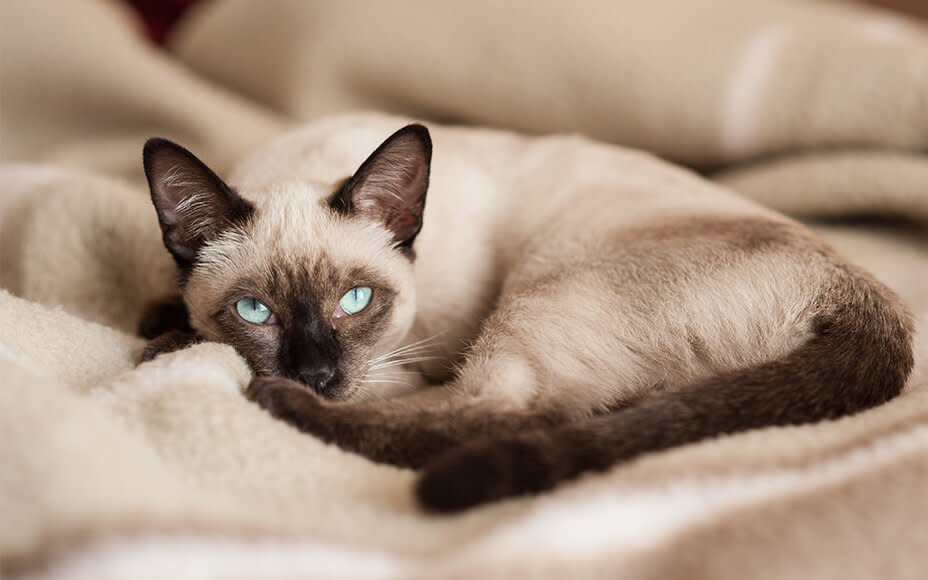
[TRANSLATION ERROR] Siamkatze – anhänglicher Action-Fan für ältere Kinder
Why are cats good pets for children?
Sociability and gentleness are two traits that characterize child-friendly cats. The furry friends should not be disturbed by the hustle and bustle of family life with children. Their playfulness can also be fully expressed with children.
Children, in turn, learn early on with a cat as a pet to take responsibility and at the same time to treat a living being with respect and patience. Growing up with a cat is a valuable experience for the development of a child's personality: self-confidence and openness are fostered. The furry friend is thus both a playmate and a teacher. Parents should model a gentle approach to the cat for their children. It is important to respect their needs. This way, both child and cat are happy and content.
At what age is my child ready for a cat?
As friendly, patient, and cuddly as a cat may be, its animal needs and boundaries should be respected. Otherwise, the relationship between child and cat can be strained.
Around three years old, toddlers understand that a cat is not a stuffed animal or toy. Gentle petting and lifting the kitty can be practiced at this age. Explaining the →body language of a cat is also important for a peaceful interaction.
Children can also start to help with the care and maintenance of the cat from the age of three. Filling the water bowl or feeding dry food strengthens the bond. At the same time, your child learns that having a cat also involves work and responsibility.
Lecker, knusprig und gesund: Pets Deli Trockenfutter für Katzen


However, we strongly advise against getting a cat solely for the child's sake. Caring for a living being independently and without help can overwhelm children.
Can babies grow up with cats?
Is there already a furry friend in your family and a baby on the way? We’ll share three important tips that you should consider with a baby and a cat. With a little preparation and mindfulness, babies and cats can grow up together without any problems.
- Never leave your baby alone with your cat. Especially as an infant or when it does not yet have the muscle strength to free itself, your baby can easily suffocate under your cat. Cats like to lie on or next to your pleasantly smelling baby in the warm bed. Accidents can happen.
- Cats are creatures of habit. Changes in the home can cause behavioral issues in your furry friend. Therefore, prepare your cat for the new family member: Setting clear rules, early rearrangement of the home, and creating a retreat for the cat where it can be completely undisturbed can help.
- Involve the cat in the daily routine with the baby. Let your furry friend be present during the interaction and care of your baby so that it feels included. This can help ensure that your baby is accepted by your cat.