
When is a cat considered to have a fever?
Your kitty is not spared from illnesses throughout her life. It can happen that she catches something and develops a fever. However, unlike humans, cats have a higher normal temperature. This ranges between 38°C and 39°C. If the temperature rises above 39 degrees, it is referred to as fever. At a body temperature of 41.4°C, it can even become life-threatening for your cat, and prompt action is necessary.
How do I know if my cat has a fever?
If you want to find out whether your cat has a fever, you need to do more than just place your hand on her forehead. Hot ears are also not a reliable indicator of fever! The best way is to measure your cat's temperature. This can be done with an infrared thermometer for the ears. If you don’t have one at home, a regular digital thermometer will also work.
You can also recognize certain behavioral abnormalities that might indicate your cat could have a fever. Often, an elevated temperature is just a symptom and manifests through the following symptoms:
- extreme fatigue
- lethargy
- →loss of appetite
- unusual aggression
- excessive thirst
- dry nose
- shivering and chills
- rapid breathing or panting
- cat hiding away

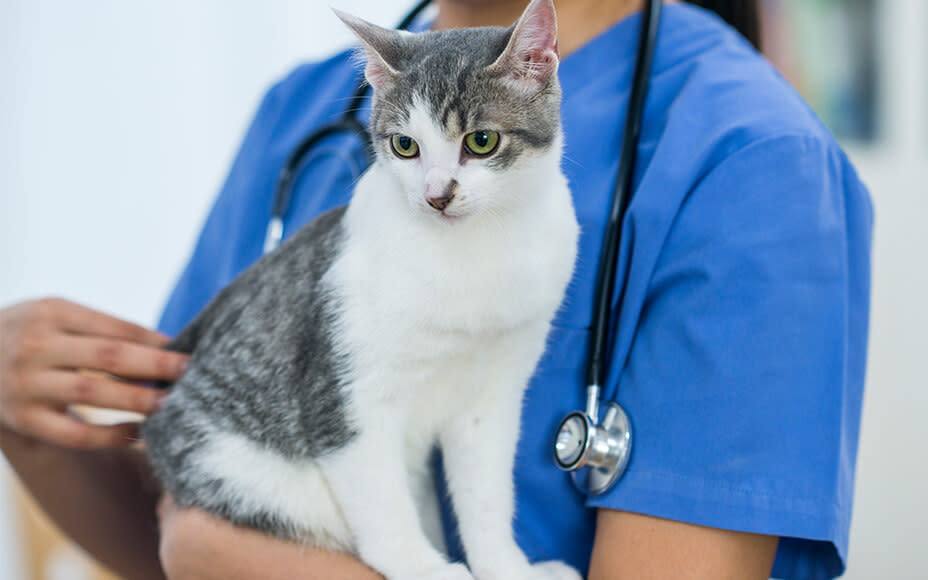
[TRANSLATION ERROR] Anders als bei Hunden erkennt man Fieber bei Katze nicht direkt. Beobachte deine Mietz genau und hole dir sicherheitshalber tierärztlichen Rat ein.
How do I properly measure my cat's fever?
To find out how high the temperature is and whether you should take her to a veterinary clinic, you need to measure the fever correctly in your beloved pet. This is usually done rectally with a digital thermometer. Most cats find this quite uncomfortable, so having a second person can be helpful to hold your furry friend and distract her a bit.
1. Clean and disinfect the thermometer thoroughly before measuring.
2. One person gently but securely holds your cat, possibly distracting her with something tasty, like licking our →cream snacks.
3. Apply a bit of Vaseline to the tip of the thermometer to make it more comfortable for your furry friend.
4. Carefully insert the thermometer a few centimeters into your cat's anus.
5. If your cat is applying strong pressure, do not press back hard; instead, wait until she relaxes!
6. It is important to have mucous membrane contact when measuring. The tip should be held against the inside of the rectum; otherwise, you are only measuring the warm air of the intestine.
7. Clean and disinfect the thermometer thoroughly after measuring.
8. Reward your cat!
Especially if you or someone else is measuring your cat's fever for the first time, you should proceed with caution. Your cat may hiss, bite, or try to scratch you. If she is very agitated, you should leave the fever measurement to veterinarians. During the measurement, you should praise her a lot, and afterward, you can treat her with a tasty snack (if her health allows).


How can I effectively lower my cat's fever?
If your cat has high fever, it is advisable to go to a veterinary clinic or to your trusted veterinarian. If your kitty only has a slightly elevated temperature, is otherwise mobile, and is still drinking water, you can also wait a day and observe her first.
To lower your cat's fever, you can try the following:
- Check your cat's body for injuries or wounds. If you find that she is injured, go to a clinic.
- Help your cat cool down by making her comfortable in a cool, darkened room.
- Ensure that plenty of fresh water is available within reach. Cats with fever tend to become dehydrated.
Under no circumstances should you give your cat fever-reducing or pain medications from human medicine! This could be fatal for your cat.
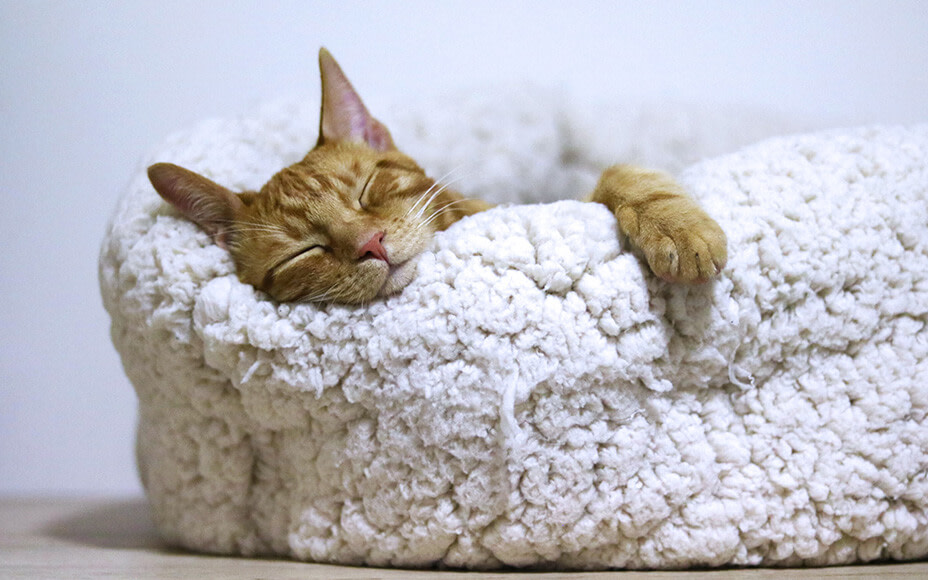
[TRANSLATION ERROR] Schlaf ist immer noch die beste Medizin - vor allem, wenn deine Katze Fieber hat, braucht sie viel Ruhe!
When should I take my cat to the vet for a fever?
If you feel that your cat's condition is worsening, her temperature does not decrease or even rises, she becomes apathetic, or stops drinking, a visit to the clinic is unavoidable. Typically, your kitty will be given a fever reducer injection and it will be checked whether there is more behind the fever. For example, in the case of a bacterial infection, appropriate antibiotics need to be prescribed.
How to prevent fever in your cat
Fever is often a symptom accompanying another illness in your cat. Therefore, an elevated temperature is initially something normal when your cat is brewing something and is a visible sign for you that something is wrong.
To prevent fever in your cat, a good protection against underlying diseases such as cat flu or worms is important. This is laid down by a →healthy and species-appropriate diet and a complete basic immunization, such as through regular vaccinations.
Also, make sure to keep sleeping places, litter boxes, food, and water bowls clean. If you have multiple pets in your household, all animals should always be examined and treated if necessary in case of illness.