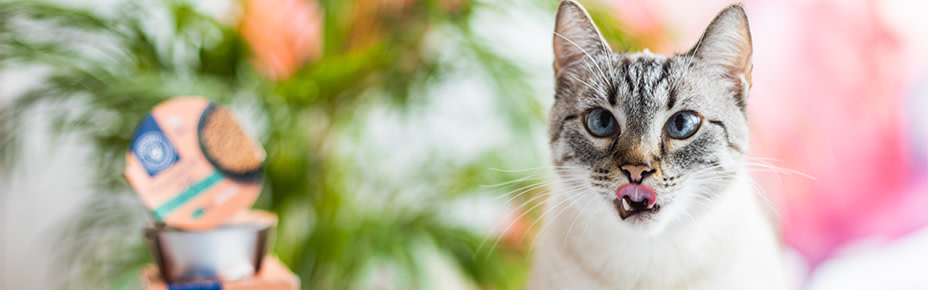
Your cat isn't eating? No reason to worry!
You serve your cat the best food and yet she refuses the contents of her bowl? No matter if your four-legged friend is particularly picky or an omnivore, a disinterest in food often worries caring owners.
But no reason to panic: With a healthy cat, you can wait to see if the situation improves on its own within the next 24 hours and calmly read our tips and reasons for food refusal.
What to do if the cat isn't eating anymore?
Stay relaxed: Many cats instinctively decide to ignore their food for a day when experiencing mild →stomach upsets, and may eat less the following day. This way, they can naturally relieve their digestive system** before returning to a regular diet.
Reasons why your cat isn't eating anymore
Since the causes for food refusal can be diverse and you can often make eating attractive again in many situations, it is helpful to know the reasons.
These include:
- Diet
- Changes and stress
- A changed health condition
Before seeking veterinary advice, you can often easily find out the cause of your cat's refusal to eat with our tips and make meals more exciting again.
Is your cat not eating and being fussy? We have something for that!
How to stimulate your cat's appetite again
1. Adjust the food properly
Cats are creatures of habit and can react with loss of appetite to changes in food and feeding times. Therefore, always pay attention to a →proper food transition when changing your cat's food.




Whether you're switching from one brand to another or, for example, from dry to wet food: Even a different consistency of the food can be irritating to your furry friend. Therefore, proceed slowly and mix a small portion of the new food with the old and gradually increase the proportion.
2. Check the storage of the food
Especially wet and fresh food must be stored properly to maintain quality. Refrigerators and freezers are best suited for storage, depending on the type of food. If wet food has been in the bowl for 2-4 hours, your cat may refuse to eat it afterward. This is how our furry friends naturally protect themselves from bad food.
But dry food should also be stored in a dry, dark, and cool place. Lack of freshness due to improper storage not only changes the smell and taste but also causes the food to spoil faster. This can lead to your cat refusing to eat.
3. Bring variety to your cat's food bowl


Cats are generally considered to be particularly picky eaters. If your house cat refuses her beloved food, you can try to bring variety to the food bowl. Other types of fish and meat, oils, and supplements can help make a meal appealing again.
4. Test your cat for food intolerances
A →food allergy can also be the cause of your cat's food refusal. Often, very commonly fed types of meat like chicken, turkey, and beef are affected and can no longer be processed by your furry friend's body. Symptoms like vomiting and diarrhea may occur.
You can determine a food intolerance by offering your furry friend rarer, hypoallergenic types of meat and →sensitive food to try.
If you suspect an allergy based on the test, it is advisable to visit a veterinarian to confirm your suspicion.
5. Identify stress factors and changes
If your cat isn't eating, consider whether your house cat needs to adjust to changes. Have you recently moved to a new home or changed your daily routine? Has a new two- or four-legged family member moved in with you? Are you using a new cleaning product with a strong lemon scent?
All these changes can cause stress for your furry friend. In such situations, provide your cat with closeness, beloved toys, and a safe retreat to help her adjust properly. You might also offer your house cat particularly tasty food or enhance familiar meals.
6. Choose the right bowl and feeding place
Acceptance of food can be related to the bowl and its location. Opt for a shallow and wide bowl that your cat can eat from comfortably.
Many cats also dislike it when the litter box is too close to the feeding area or when they are disturbed while eating. Therefore, place your cat's food bowl in a quiet spot, at a reasonable distance from the litter box, and ensure it doesn't slide around while eating. Cats also prefer not to eat where they drink. It's best to place water and food bowls in different rooms.
7. Check teeth and gums
Dental problems can sometimes cause your cat to show no interest in food. Offer older animals with missing teeth and kittens who are undergoing their teething between the fourth and sixth months softer and easier-to-chew food and no dry food.
Always pay attention to a →good oral hygiene and a healthy set of teeth. Tartar and →gum inflammation can be painful for your furry friend. In such cases, consult a veterinarian.
Your cat won't eat and is fussy? We have something for that!
8. Your cat's health condition
→Heat and strong heat can lead to reduced appetite in your house cat. Therefore, pay attention to feeding times during the summer months and provide meals when it is still not too hot. You can also make meals more interesting during heat by adding oils and supplements.
If your cat isn't eating and also shows other symptoms, such as apathy, diarrhea, vomiting, and weight loss, there may be an illness present. Seek a veterinarian promptly to have your beloved pet checked. Especially kittens and young cats should be presented to a doctor early on.


My kitten isn't eating, what can I do?
If your kitten refuses her food, you should immediately consult a veterinarian just to be safe. Kittens are much more sensitive and dehydrate faster than adult cats. They need their daily kitten food for mental and physical development. If your kitten suddenly stops eating, you should have it checked by a veterinarian.
Kitten will nichts fressen?
So geht richtige und gesunde Ernährung von Kitten