
Ear Infections in Cats: Causes, Symptoms, and Treatment
An ear infection in cats is not always visible, but it is extremely unpleasant and painful for your furry friend. A distinction is made between otitis externa (inflammation of the outer ear), otitis media (inflammation of the middle ear), and otitis interna (inflammation of the inner ear). In the case of inflammation of the outer ear, the pinna, ear canal, and eardrum are affected, while in a middle or inner ear infection, the areas behind the eardrum cause problems. Learn more about the causes, symptoms, and treatment options.
Cause: How do Ear Infections in Cats Occur?
The causes of ear infections in cats are varied:
- Infestation with parasites such as →ear mites, →fleas, or ticks
- Allergies (food allergies, environmental allergies)
- Bacteria or fungi
- Tumors
- Foreign bodies
Symptoms: How to Recognize Otitis
Depending on the severity and inflamed area in the ear, the ear infection is not always directly recognizable. However, if your cat shows the following symptoms, it may indicate an ear inflammation:
- Increased head shaking
- Tilting of the head
- Frequent scratching of the ear and neck
- Fever
- Severe pain
- Balance disorders (advanced disease)
If your cat shows behavioral changes, initially for example by frequently scratching the ear area, you should seek veterinary advice and have the situation clarified. If an ear infection is not treated, the inflammation can continue to penetrate deeper into the ear and cause balance disturbances (vestibular syndrome).

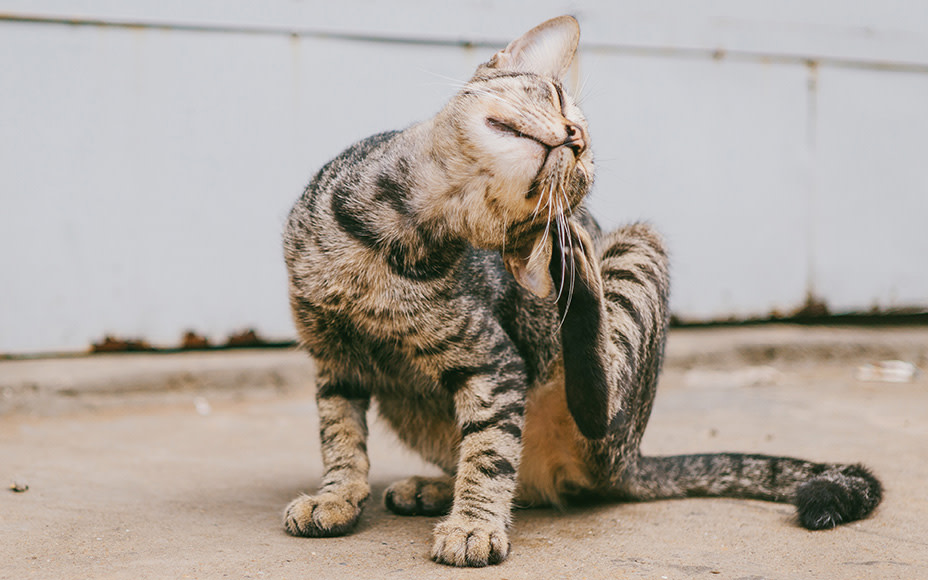
[TRANSLATION ERROR] Schiefer Kopf, häufiges Katzen am Ohr: Sind die Ohren entzündet, versuchen Samtpfoten alles, damit das unangenehme Gefühl aufhört.
Treatment & Medications for Ear Infections
In the veterinary practice, the veterinarian will thoroughly examine your cat's ears with an otoscope, which is carefully inserted into the ear. If necessary, an ear swab can be taken. An examination under the microscope provides information about what problem your cat has with its ears. Here, a distinction can be made between mites, fleas, fungi, and bacteria. But which remedy helps with the infection?
For the treatment of an ear infection, your cat is usually prescribed a ointment or tablets that either target bacteria, parasites, or fungi and may relieve pain. The ear is also cleaned with a special cleaner to dissolve crusts and deposits.
Brave furry friends deserve a tasty snack! How convenient that our irresistible →Cream Snacks are also ideal assistants when it comes to administering tablets to your cat.


If it is determined that a foreign body in your cat's ear is causing the inflammation, it will be carefully removed. Here, anesthesia may sometimes be necessary, as very few cats like to stay still during such uncomfortable procedures and often react fearfully.
If itching in the ear persists, tests for food allergies can also be conducted. Certain components of the diet will be eliminated. This so-called elimination diet can help determine whether and which ingredients your cat is allergic to. Our →Hypoallergenic Trial Package for Cats supports you optimally in cat nutrition when a food allergy is diagnosed.

[TRANSLATION ERROR] Bei einer Ohrinfektion wissen Tierärzt*innen genau, was zu tun ist. Wurde die Ursache gefunden, schaffen Salben und Tabletten in der Regel schnell Abhilfe.
Preventing Ear Infections in Cats: How to Do It
While ear infections cannot always be reliably prevented, there are several things you can do for prevention. Part of regular care includes →gentle ear cleaning. Use only products that have been recommended by your veterinarian and do not simply use your own cosmetic products.
To protect your cats from infestations by parasites such as mites, ticks, fleas, and others, you can easily apply →effective remedies preventively. Keep in mind that pets can also transmit parasites to each other, so treat all four-legged friends in the household for safety.
By regularly checking your cat's ears, you can recognize deposits when something is wrong and thus take action early.