What is periodontal disease in cats?
A disease of the tooth-supporting apparatus is referred to in technical terms as periodontal disease or periodontitis. The consequences include loose teeth and tooth loss. The cause of periodontitis is an untreated gum inflammation. This, in turn, is often due to a lack of dental and oral hygiene.
Cause: What causes periodontitis?
Periodontitis is a result of bacterial plaque and tartar. The bacteria destroy primarily the gum pockets, which are responsible for holding the teeth in place. The inflammation can also spread to the tooth and lead to a painful abscess. In severe cases, there can also be inflammatory bone loss in the jaw.
A very simple way to prevent dental problems and gum inflammation is the →proper cat food. Unnecessary additives like sugar and grains can promote the formation of deposits on the teeth. That’s why we at Pets Deli only use high-quality meat combined with exquisite fruits and vegetables.
Unser Futter für Katzen: ehrlich, gesund, lecker.


Symptoms: How can you recognize periodontitis in cats?
An unpleasant smell from the mouth is one of the most common reasons why cat owners with periodontitis visit a veterinary practice. Other symptoms may include:
- strong bad breath
- visible dental plaque
- tartar
- refusal to eat
- refusal of hard chew snacks and toys
- susceptibility to infections
Overall, periodontitis also affects the general health of your cat, as chronic inflammation burdens your cat's immune system. Additionally, dangerous plaque bacteria can enter the body and organs.

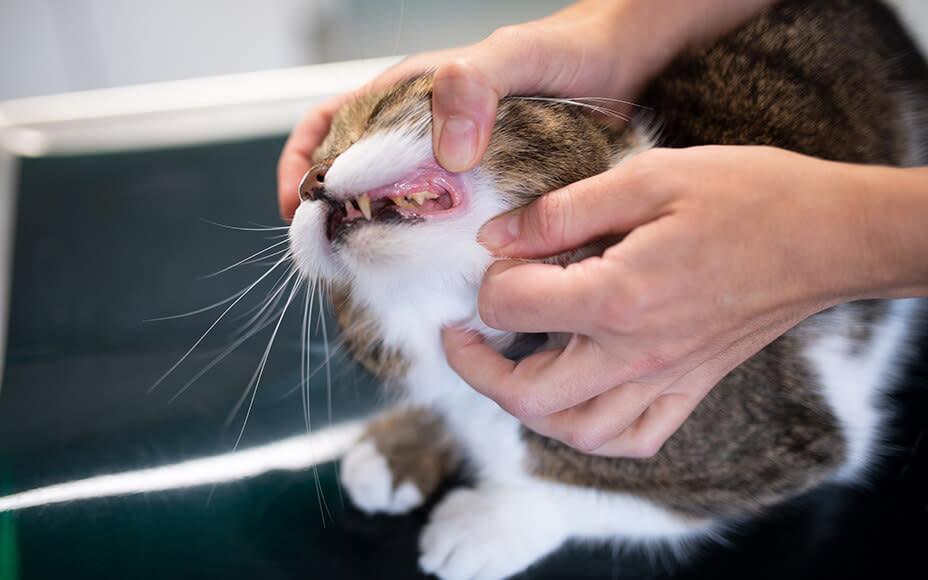
[TRANSLATION ERROR] Zahnbeläge und Zahnstein führen häufig zu schweren Entzündungen im Maul deiner Katze, unter anderem auch zu Parodontitis.
Diagnosis and treatment
Since periodontal diseases are hidden below the gum line, they can be poorly recognized by the naked eye. This is also one of the reasons why the disease often remains undetected for so long. To recognize periodontitis, special tools from veterinarians are necessary. For this reason, you should promptly visit a veterinary practice if you suspect it. There, a periodontal probe and X-rays will be used to diagnose periodontal disease.
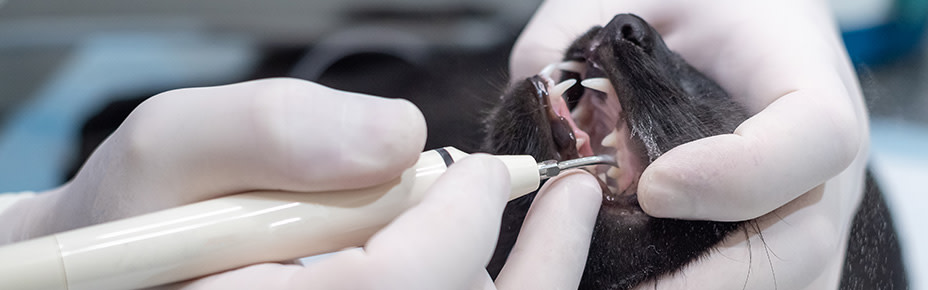
The treatment usually takes place under anesthesia. First, visible dental plaque and tartar are removed. Subsequently, the cleaning of the non-visible area below the gum line is performed. Finally, a polishing and rinsing of the gum pockets is carried out. In very advanced stages of the disease, tooth extraction may also be unavoidable.
How to effectively prevent periodontitis in your cat
Loose teeth and tooth loss are often attributed to the natural aging process of your cat. However, in many cases, the cause lies in a lack of dental hygiene. This leads to serious diseases like periodontitis.
Daily tooth brushing is the most effective method to avoid dental plaque and tartar in your cat, helping her achieve long-lasting, carefree dental health. A professional periodontal treatment is only permanently successful if cat owners are also willing to continue regular dental cleaning at home. There are no medications to prevent the disease. However, you can have your cat's teeth professionally cleaned by your veterinarian regularly, for example, during an annual routine check-up.