
Early Detection: Symptoms of Diabetes in Cats
Diabetes in cats often manifests gradually – and is therefore easily overlooked. Pay special attention to these warning signs:
- Increased thirst – your cat suddenly drinks much more than usual
- Frequent urination – the litter box is visited significantly more often
- Increased appetite with simultaneous weight loss
- Tired, lethargic, less active than before
- Dull or lackluster coat
- Gait changes – some cats walk "flat" on their heels (plantigrade gait)
Some of these symptoms can also occur with other conditions – and are not exclusively an indication of diabetes. For example, increased thirst or frequent urination can also be seen with a →chronic kidney disease.
To find out what exactly is behind the complaints, your veterinarian can quickly clarify the situation with just a few tests. Usually, a combination of blood and urine tests is sufficient. Particularly important: the fructosamine level – it shows how high the blood sugar has been over the last 1–3 weeks, without stress distortion like with a single measurement.
Diabetes in Cats: Types & Differences Explained Simply
To better categorize the symptoms, it is worthwhile to look at the different forms of diabetes that can occur in cats. Not every diabetes is the same – and depending on the type, the treatment also differs.

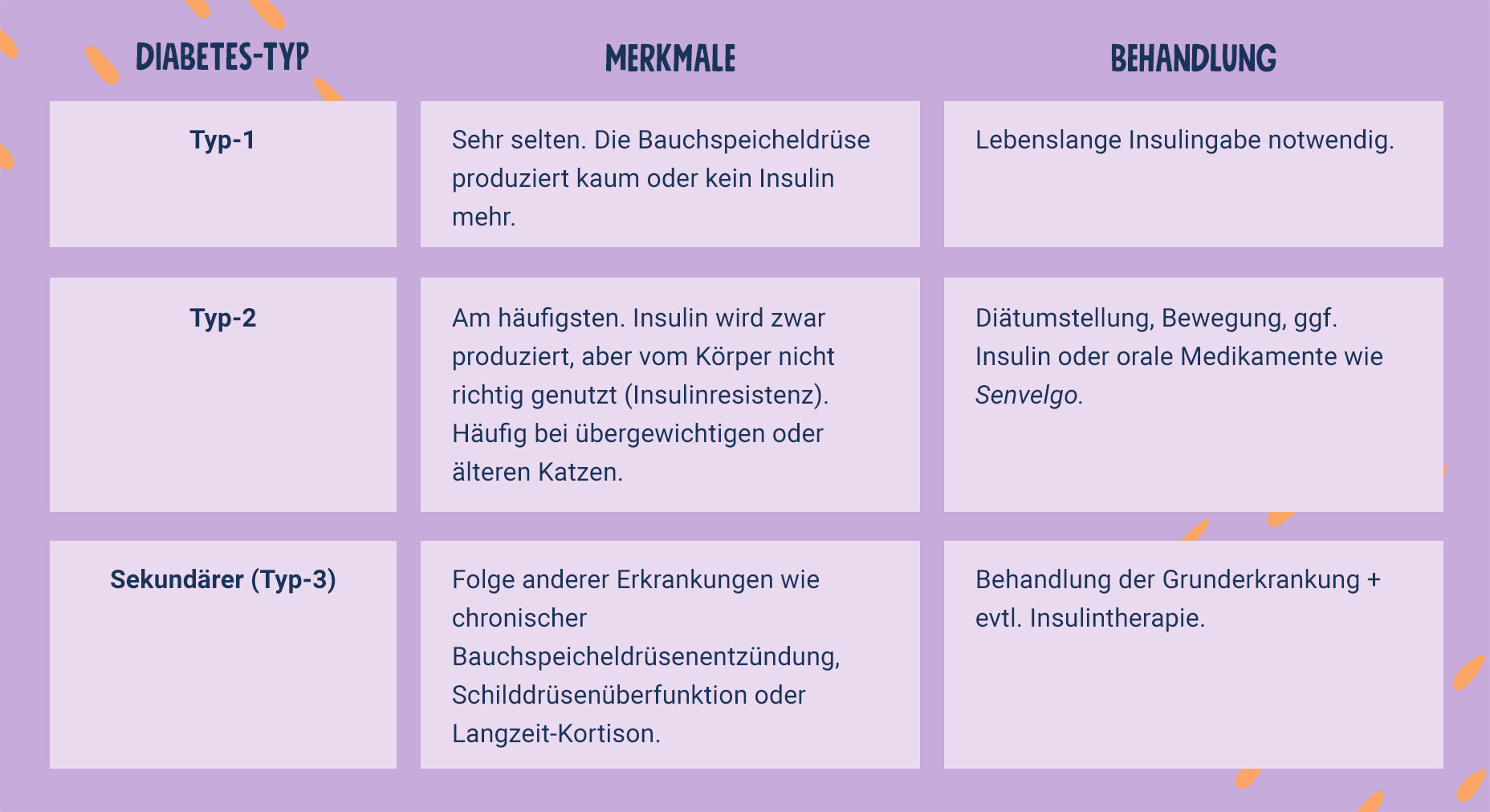
[TRANSLATION ERROR] Nicht jeder Diabetes ist gleich: Die Übersicht zeigt, wie sich Typ-1-, Typ-2- und sekundärer Diabetes bei Katzen unterscheiden – inklusive Merkmale und Behandlung.
No matter which type is diagnosed: A timely diagnosis and a tailored therapy are crucial – of course, in close coordination with your veterinarian.
These Risks Are Present with Untreated Cat Diabetes
If diabetes in cats is not recognized or treated for an extended period, it can affect health – just like in humans. A persistently elevated blood sugar level affects various organs and throws the metabolism out of balance. Typical complications can include:
- Strained kidneys due to constant sugar excretion
- Vision problems that can develop in some cats
- Nerve weaknesses, for example, in the hind legs
- In rare cases: a so-called ketoacidosis – a metabolic derangement that is life-threatening for your cat and must be treated by a veterinarian
The good news: Those who observe their cat closely and consult a veterinarian at the first signs can take action early. With the right treatment, daily life with diabetes can often be managed comfortably.
Cat Diabetes in Daily Life: What You Should Consider
The diagnosis of diabetes is initially a shock – no question about it. But the good news is: With a bit of routine and attention, daily life with a diabetic cat can be well managed.
Regularity is key. Fixed feeding times, clearly structured daily routines, and – if necessary – timely administration of insulin help keep blood sugar levels as stable as possible.
Observation helps. Many cats show through their behavior when something is wrong: They drink more, suddenly sleep a lot, or seem less active. Those who know their cat often notice such changes early – and can react in time.
Avoid stress. Changes in daily life, loud environments, or frequent visitors can negatively affect metabolism. A quiet retreat, familiar routines, and a little patience are especially beneficial for your cat right now.
Don't forget: Even though a few adjustments are necessary – many cats with diabetes lead a completely normal, happy life. And you will quickly notice: With a bit of organization, it works really well.

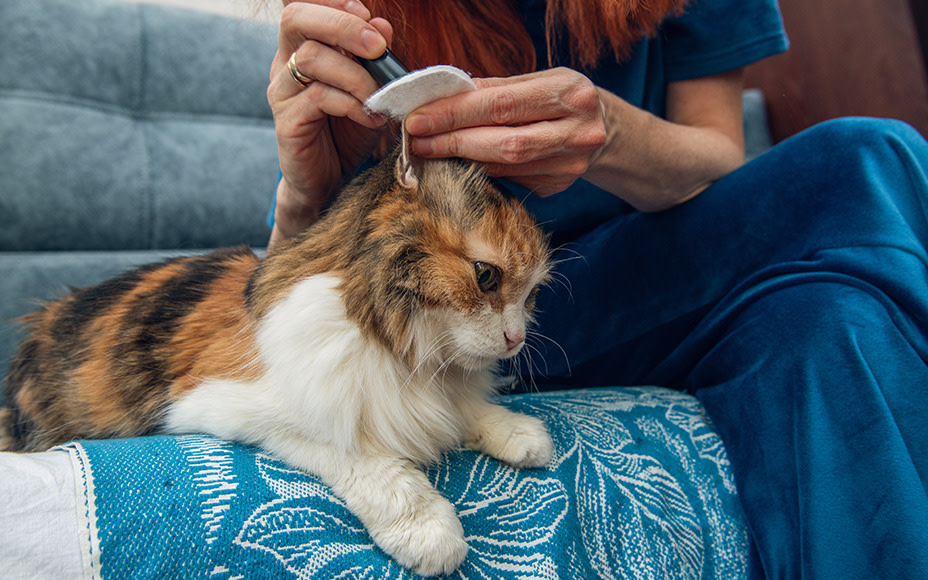
[TRANSLATION ERROR] Blutzuckermessung bei Katzen: Am Ohr lässt sich der Blutzucker deiner Mieze einfach und zuverlässig kontrollieren – wichtig für ein sicheres Diabetes-Management zu Hause.
Food for Cats with Diabetes: How to Properly Support Your Cat
Nutrition plays a key role in cats with diabetes – it helps keep blood sugar levels as stable as possible and optimally adjust the insulin amount. It's not just about the right ingredients, but also about the way of feeding.
A protein-rich, low-carbohydrate diet is important. Studies show: The more high-quality protein and the fewer easily digestible carbohydrates end up in the bowl, the better diabetes can be managed – often even with a lower insulin amount.
The "how" is also crucial:
- Regular feeding times help minimize blood sugar fluctuations.
- Many small portions spread throughout the day – ideally 10 to 20 – correspond to the cat's natural feeding behavior and relieve the metabolism.
- If you are injecting insulin into your cat, it is important that she eats something beforehand. Otherwise, it can lead to a life-threatening hypoglycemia.
Cats with normal weight can usually be fed normally. However, if your cat is →overweight or underweight, the weight should be adjusted gradually – gently and under the guidance of your veterinarian.
If you are unsure which food is suitable for your cat, our →individual consultation can help you better assess your cat's needs.