
Your dog should not eat this
"My dog actually eats everything" – If that sounds like something you might say, you’re probably happy that your dog can handle any food. But you surely know the problem: He also eats everything he’s not supposed to. Many foods can harm your furry friend cause harm, because your four-legged companion has a different metabolism than you and not everything that’s safe for humans is good for a dog’s stomach. Even on your daily walks with your dog, you need to watch what he shouldn’t nibble on. To make sure nothing happens to your furry friend stays safe, we’re giving you a few tips on what you should watch out for when it comes to poisoning risks.
In general: If your dog has eaten something toxic, you should contact your vet as quickly as possible!
Chocolate: Toxic for dogs!
→Chocolate is not a suitable treat for your dog! It contains theobromine, a substance that dogs break down exceptionally slowly and which has a toxic effect on your four-legged friend. The rule is: the higher the cocoa content in the chocolate, the greater the risk of poisoning for your dog becomes. So a piece of milk chocolate is much less dangerous than a piece of dark chocolate.
The reaction to chocolate depends mainly on the size of your dog. If Doberman Benni steals a chocolate ball from the Christmas plate, he’ll probably “only” react with a stomachache and lethargy. For Jack Russell girl Peaches the whole thing can be fatal within a short time .
Signs of poisoning range from external symptoms like muscle tremors to diarrhea with vomiting, to internal bleeding and unconsciousness. To be able to provide first aid, it’s wise to always have activated charcoal tablets on hand, as they have an antitoxic effect on the stomach and intestines and slow down the absorption of the toxin. If your dog has eaten chocolate, please contact your vet immediately!

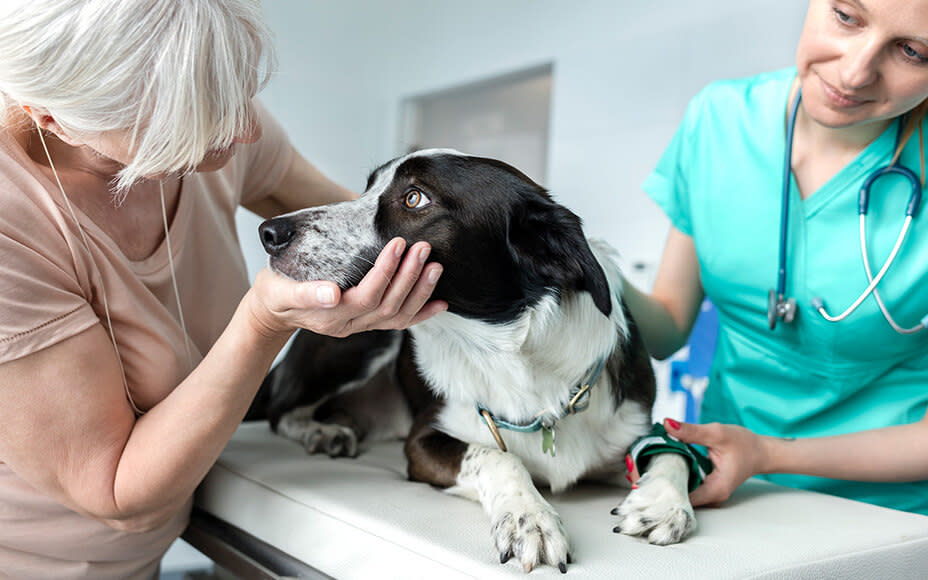
Chocolate is toxic for dogs! If your dog has indulged in a full chocolate binge, you should quickly drive to a veterinary clinic.
Grapes and raisins: Not always equally toxic for dogs
Contrary to the myth that →grapes are always toxic for dogs, the tolerance of these sweet fruits depends entirely on the dog. According to experience reports and studies, there are dogs that tolerate grapes better and also those that die of kidney failure within a few days after eating grapes die. Why dogs react so differently to grapes is not yet scientifically clear.
What’s a sweet and healthy snack for us can quickly become a disaster for some dogs. The reason is the oxalic acid in grapes, which can damage the kidneys of your dog. The same applies to raisins, which as dried grapes contain even more oxalic acid. If your four-legged friend eats a large amount of grapes, symptoms such as diarrhea and vomiting may occur.
No worries! A single grape won’t make your dog sick. But why take the risk? Instead of grapes, you can feed your dog plenty of other fruits like →blueberries or →banana as a treat or simply choose our tasty and healthy snacks for dogs!
Indulge your pet in a healthy and delicious way – with our snacks
Onion, garlic & alliums: Always toxic for dogs!
You can’t imagine a meal without →onion and →garlic? For your four-legged friend, the rule is: Leave both out! All types of alliums are harmful to your dog. The substances they contain attack red blood cells (erythrocytes), which your furry friend needs to supply all organs with oxygen.
The toxic effect starts with even a small amount so you should always prevent your dog from eating alliums. This includes garlic and all types of leeks, like wild garlic and chives. If you want to feed your dog vegetables, check out our →list of healthy vegetables for dogs.

Which vegetables can dogs eat? Take a look at our overview!
Milk and butter: Cause diarrhea
Drank a glass of milk and your stomach starts rumbling? Your furry friend feels the same way. It’s not uncommon for milk and butter to cause bloating and diarrhea. Foods containing milk aren’t toxic, but they disrupt the digestive tract of many dogs. Butter especially contains unhealthy fats that have no place in a dog bowl.
Cheese for dogs: It depends on the type
When it comes to →feeding cheese, it’s a bit different: The type of cheese plays a key role. Some types of cheese contain relatively little lactose and can be a tasty snack or a special reward during training. Still, cheese should only be given in moderation and as an exception, since even low-lactose types contain a lot of salt.
Your dog goes crazy for cheese? Then our delicious →Cheese Tasties are just right for him! A soft chew stick with juicy chicken and tasty Emmental cheese - ideal as a treat in between.
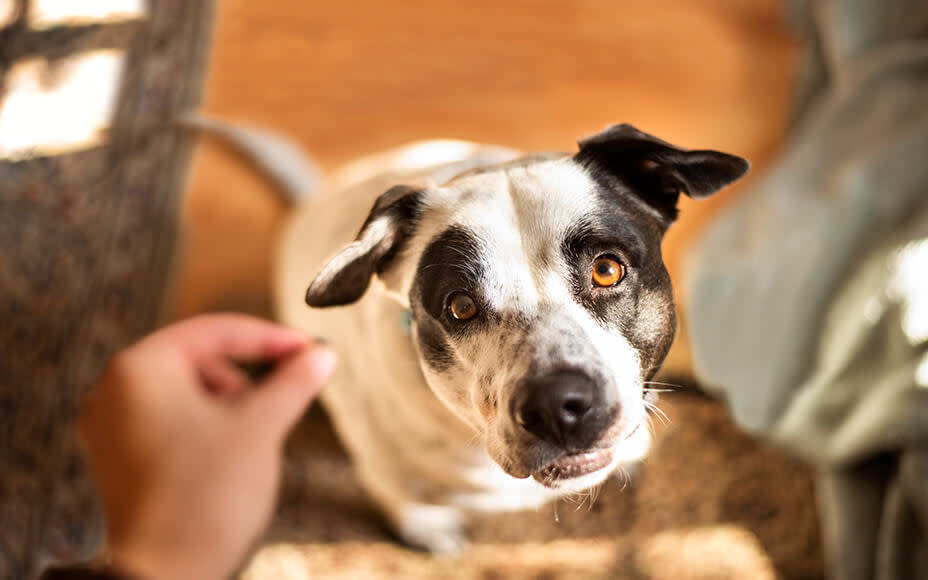
Every now and then a piece of cheese is a tasty treat for your dog, but it should remain an exception.
Unhealthy spices for dogs: Salt, chili, curry & more
Lovers like it salty – but no matter how much you love your dog, adding extra salt to food is not good at all. Still, →salt, just like for us humans, is also essential for your four-legged friend - but it’s already present in sufficient quantity in high-quality dog food.
Your dog’s senses are extremely sensitive, so strong spices like chili, pepper, nutmeg, and curry are off your dog’s menu. Even sniffing hot spices like pepper or chili can cause sneezing fits in your dog. Alliums in powdered form are also off limits for your dog.
Instead, flavoring food with a little →Ceylon cinnamon is safe for your dog. Some →spices and herbs are even the absolute best for your dog’s health! Basil and fennel for example, support healthy digestion. We at Pets Deli know this too, which is why we use the finest herbs in our dog food to perfectly round off your dog’s tasty menu!
Whether it's crunchy dry food or creamy wet food - only the best ingredients go into the bowl here!
Alcohol: Very toxic for dogs!
A glass of wine or beer after work with loved ones doesn’t hurt anyone – except your dog. Alcohol is highly damaging to the liver and kidneys - vomiting, diarrhea, and cardiovascular failure can result. So let yourdog toast with water instead.
Coffee and energy drinks: Extremely toxic for dogs!
Please don’t talk to you before your first coffee in the morning? Sometimes you need an energy drink at lunch to get through the day. For your dog, however, these are off limits, because caffeine – like the theobromine found in cocoa and chocolate – is one of several substances that are generally harmless for humans but extremely toxic for your dog.
Acorns, pine cones, chestnuts: Not for eating!
It’s not just at home that there are things your dog should never eat. Even on your daily walks, there are hazards that can cause stomach pain or even be life-threatening if eaten by your dog.
When autumn comes, trees drop their fruits again – which can tempt your dog to play with or even eat them. But be careful when playing! In particular, acorns are toxic for dogs and must never be eaten.
The tannin they contain tannin damages the kidneys and leads to diarrhea, vomiting and can cause permanent organ damage that can be fatal. But it’s not just the toxic ingredients that pose a risk to your furry friend.
Can dogs chew pine cones?
If your dog swallows or eats pine cones, acorns or chestnuts, this can cause severe constipation or even →life-threatening intestinal blockage . Even if your dog just plays with a pine cone or chews it up, large pieces can be swallowed and cause health problems. You’re on the safe side if you let your dog play with a tug toy or chew stick instead of pine cones.
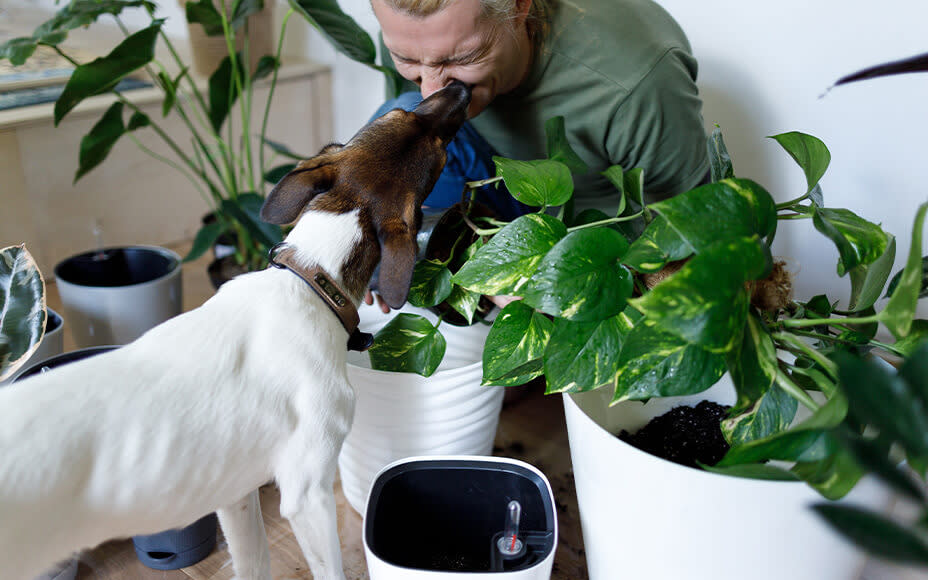
Do you have a green thumb? Then find out about house and garden plants that are toxic to dogs!
Toxic plants for dogs
Does your dog like to →eat grass from the lawn? Don’t worry! That’s completely natural and even important for your dog’s digestion at times. But if he nibbles on everything within reach while out walking – not knowing that some of it may be a toxic plant – you should be careful.
Now it’s up to you to know what your dog can and can’t nibble on when you’re out and about. The same goes for your home: If you’re a plant lover, you should check which plants should not be within your dog’s reach. These plants are unsuitable for chewing or eating:
Toxic garden plants for dogs
Lily of the valley
Tulip
Foxglove
Hydrangea
Mistletoe
Oleander
Rhododendron
Ivy
Tomato plant
Laburnum
Buckwheat
Toxic houseplants for dogs
Ficus/dragon tree
Poinsettia
Spider plant
Begonia
Cyclamen
Weeping fig
There are also many other types of plants that can harm your four-legged friend if eaten.
Tobacco, cigarettes, and cigarette butts: Very toxic for dogs!
Even though cigarette butts belong in the trash and not on the ground, our super sniffers still find plenty of them on walks along paths and in bushes. If your dog or puppy is a bit of a vacuum cleaner, keep an eye on him, because both whole cigarettes and just the butts are toxic for dogs!
If your dog eats a cigarette butt, even if the cigarette was fully smoked, it still contains nicotine. While this substance stimulates the nervous system in humans, in your dog, even an ingested amount of 4 mg can cause a nicotine poisoning. This amount can already be absorbed by eating a single cigarette butt.
What to do if your dog eats a cigarette or cigarette butt?
If your dog has eaten tobacco, a cigarette, or just a butt, the first signs of poisoning are trembling, vomiting, and drooling. In the worst case, your dog may suffer cardiovascular failure. So: If your dog has eaten a cigarette butt or even a whole cigarette, you should go straight to the animal clinic!
Chewing gum for dogs: Not edible!
We’ll just assume that no one would intentionally give their dog chewing gum for bad breath. But if your dog helps himself to your pack of gum, you should play it safe and head to a clinic. The sweetener xylitol often found in gum is a suitable sugar substitute for humans – but for your furry friend, it acts toxically and can cause a drop in blood sugar and liver damage.
Chewing gum spat out and left on the ground can also cause discomfort, stomach pain, and vomiting.
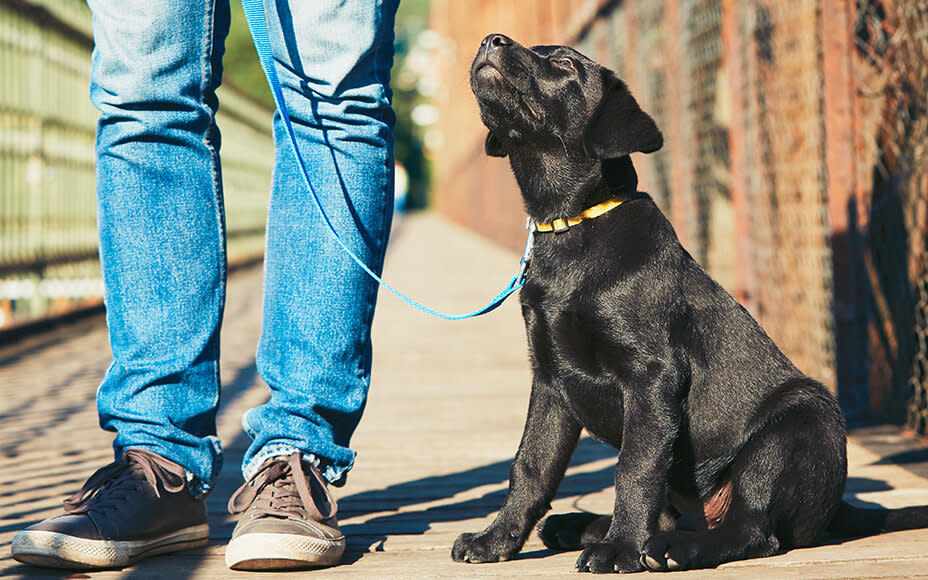
Teach your dog as early as possible not to pick up anything from the ground and you'll be on the safe side!
How can I prevent my dog from eating toxic things?
Prevention is the best medicine, so it’s important to work on making sure that your dog doesn’t pick up everything from the ground. Obedience training and a trusting bond with your four-legged friend make it easier to react in such situations. In training you can influence your dog’s behavior so that he only takes food from you and →never eats anything from the street and doesn’t eat anything off the ground.
At home, make sure to store toxic foods out of your dog’s reach and keep them inaccessible and check before sharing your food with him – your favorite snack might be dangerous for your best friend. In that case, choose species-appropriate rewards instead.
If your dog eats something toxic despite all precautions: Stay calm, contact your vet! Give your dog security, because such a situation is at least as stressful for him as it is for you.
What should I do if my dog has eaten something toxic?
Poisoning is a serious matter! It’s best to contact your vet as soon as you suspect it - emergencies are always treated immediately. You know your dog best – and that’s a big advantage when it comes to poisoning. Always keep an eye on him and react if something seems off.
With a few exceptions (e.g. activated charcoal for chocolate ingestion), you should avoid giving medication, as many medications have a different effect on your dog than on you.
When it comes to poisoning: It’s better to call the vet once too often than not enough! In case of poisoning, it’s a good idea to keep the item and bring it to the clinic, to allow the vet a quick treatment.