
Symptoms of gastrointestinal problems in dogs
Gastrointestinal problems are among the most common health issues in dogs. These can range from mild digestive disturbances to serious illnesses. It is important to recognize the symptoms and understand the causes. Only then can appropriate measures be taken and your dog's health maintained.
Common symptoms of intestinal problems in dogs include:
Vomiting
Repeated →Vomiting can indicate a variety of problems. From simple stomach upsets to more serious conditions, vomiting can be a sign of stomach issues and is therefore a clear warning sign.
Diarrhea
→Diarrhea may present as frequent or watery stool and indicate a disrupted bowel function or infections. But also →constipation or very dry stool is not normal and should be monitored.

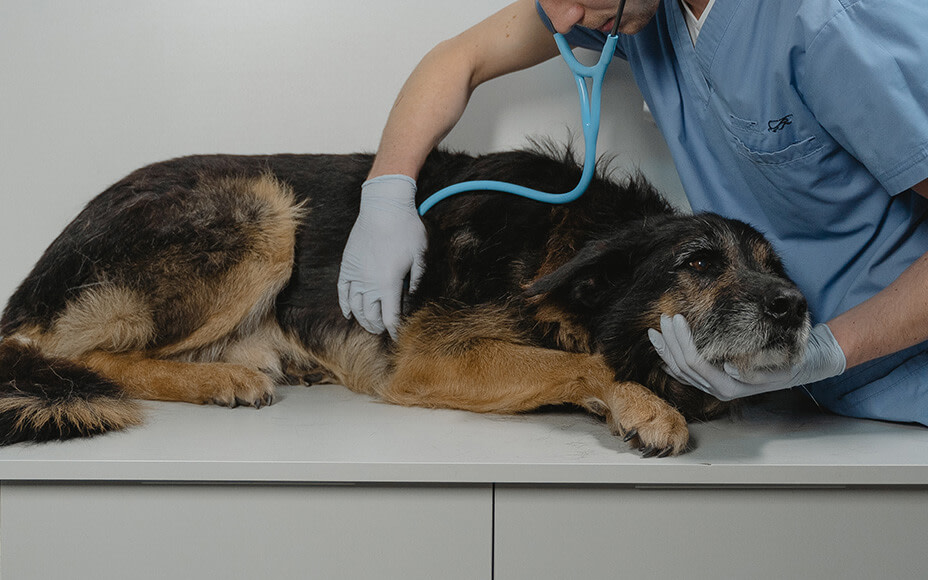
For older dogs and puppies, you should go straight to the vet if your dog has diarrhea!
Loss of appetite
A sudden loss of interest in food can be a sign of gastrointestinal problems. However, some dogs are also very picky. You probably know your dog best, but if in doubt, you should consult a veterinarian.
Abdominal pain
→Abdominal pain in dogs usually manifests as restlessness, frequent pacing, and the "prayer position" (dog stretches with its rear in the air). Also, refusing food, sensitivity to touch on the belly, and generally unusual behaviors can indicate abdominal pain in dogs.
Weight loss
With acute intestinal complaints, weight loss does not occur immediately. Chronic gastrointestinal problems can, however, lead to weight loss, which is why it is so important to act in time.
In general: We always recommend that if you are unsure, you should consult your veterinarian. Sometimes a phone call is enough to be on the safe side.

Our wet food specially developed for dogs with digestive problems
Proven to improve digestion thanks to postbiotics
Causes of intestinal problems in dogs
The causes of gastrointestinal complaints in dogs are varied, but they absolutely need to be identified. Only then can a suitable treatment be started and your dog be helped in the long term.
Common reasons for intestinal problems in dogs include:
Incorrect diet: An →unbalanced diet or eating too quickly can lead to digestive problems.
Infections: Bacterial, viral, or parasitic infections can cause gastrointestinal problems.
Allergies and intolerances: Some dogs suffer from →food intolerances and are sensitive to certain foods, which can lead to gastrointestinal complaints.
Pancreatitis: →inflammations of the pancreas can cause severe digestive problems.
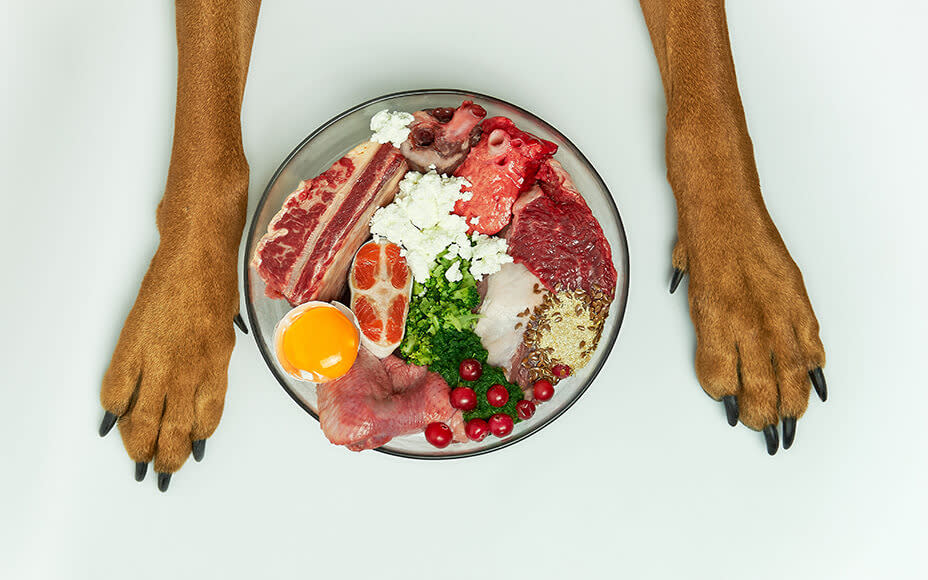
Salad and other vegetables as well as fruit can be a healthy and tasty addition to your dog's food!
Treatment options for gastrointestinal problems in dogs
For persistent problems a thorough examination by a veterinarian is essential. Only if the cause of the problem is found can a sustainable treatment take place. It is especially important here not to wait too long, so that chronic intestinal problems do not develop in your dog.
In some cases, treatment with medication may be necessary to alleviate symptoms or fight infections. A course to rebuild the gut flora with →pre-, pro-, or postbiotics can also be useful. Both should always be done in consultation with your veterinarian.
In most cases, a special diet is also recommended to relieve the gastrointestinal tract.

For digestive issues, flatulence & more
Our food for dogs with sensitive digestion
Nutrition tips for regular intestinal problems
It is important to emphasize that if gastrointestinal problems persist, a veterinarian should be consulted. The veterinarian can diagnose the exact cause and recommend an individual treatment strategy that also includes the dog's diet. A balanced diet and food with easily digestible ingredients play a crucial role in maintaining the health of the gastrointestinal tract and thus the overall health of the dog.
Common dietary recommendations from veterinarians include:
Light, easily digestible food: Choose easily digestible types of food that are gentle on the gastrointestinal tract.
Feeding in small portions: Instead of large meals, feeding small portions throughout the day can help.
Avoiding food allergens: Identify possible allergens and avoid them in your dog's diet.
Probiotics and postbiotics: Probiotic supplements can support the gut flora and improve digestion.