
Mini dog breeds: character, care, and health
Mini dog breeds and dog breeds that are very small have one thing in common: when it comes to size, they are under 30 centimeters and are becoming more and more popular. Here you can find out which breeds are very small and what they bring in terms of character, care, and health.
Which breed is the smallest?
With all the →small dog breeds, the question often arises as to which one is actually the smallest. With a size starting at 15 cm, the Chihuahua is the smallest dog breed in the world.
Chihuahua
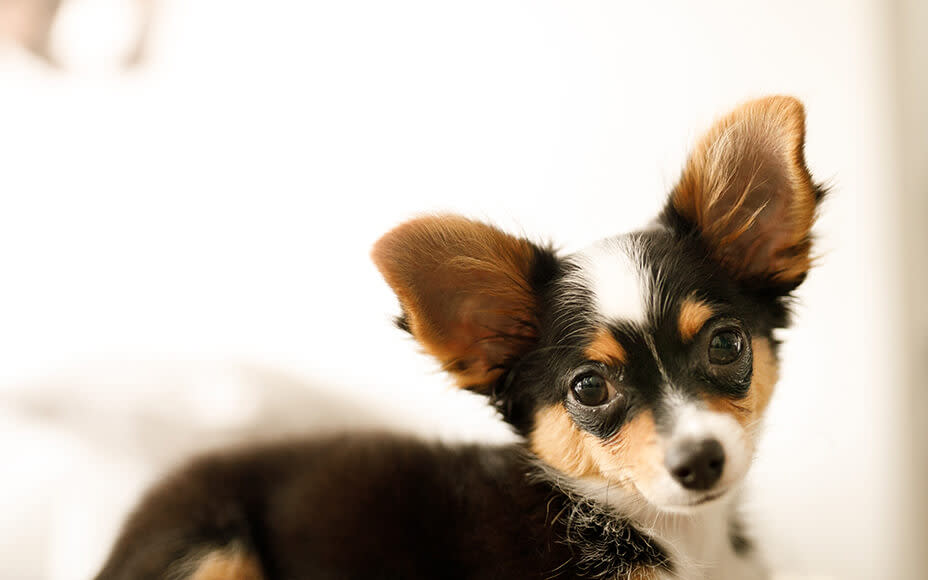
The →Chihuahua is as well-known as a colorful dog and also quite small. With its 15 to 30 centimeters, it is the quintessential popular small dog and is one of the mini dog breeds. It is very alert, friendly and lives by the motto: Small but mighty!
Because mini dog breeds often develop physical problems due to their small size, the Chihuahua also frequently suffers from "Patella luxation" (dislocated kneecap), which manifests as limping and pain. When choosing a Chihuahua, it is also important for health reasons to make sure that it is not a dog bred to be extra small ("Teacup Chihuahua") as these are considered torture breeding . With a weight of under 2 kg in adult dogs, organ damage, early death, and loss of consciousness are not uncommon.

Bichon Frisé
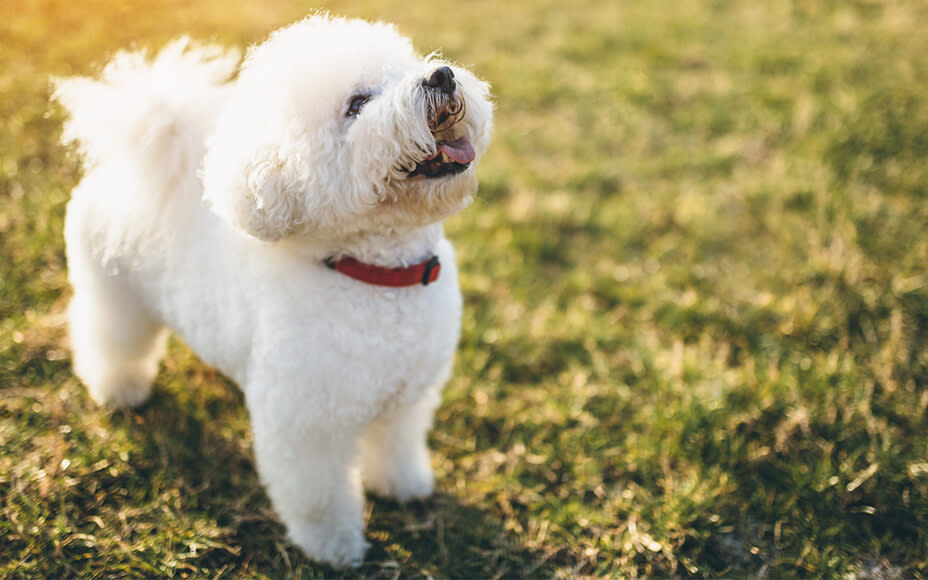
With its snow-white, curly coat, the Bichon Frisé as a mini dog breed looks like a real little superstar. Even though this small dog was once a companion dog, today it is often found as a family dog. No wonder: its nature is friendly and affectionate. Thanks to its curious and very intelligent character, it is, despite its small size, up for →extensive training.
Bichon Frisés are considered robust little dogs. Here too, "patella luxation" is rarely observed, but it can be prevented by obtaining confirmation from the breeder that the parents are free from this disease.
Bolonka Zwetna
The →Bolonka Zwetna is very popular as a mini dog breed thanks to its cuddly appearance. This small dog breed is very people-oriented, friendly, and gets along excellently with people and animals alike. The only thing is that being left alone is difficult for this social dog.
Despite its size, the Bolonka also turns out to be very robust. However, with irresponsible breeding, this furry friend can also suffer from dislocated kneecaps (patella luxation). Likewise, hip dysplasia with impaired function in the hip can occur, as well as progressive retinal atrophy, where the dog gradually goes blind over a long period. The most important thing when choosing small dog breeds like the Bolonka is therefore a thorough discussion with the breeder and avoiding amateur breeding.

Miniature dachshund
With a character just like the standard dachshund, the very present →miniature dachshund is always alert, loves long walks in nature, and has definitely mastered the dachshund gaze. Despite its independence and stubbornness, the miniature dachshund is a loving companion who is very people-oriented.
Due to its long back, the miniature dachshund is at risk of developing what is known as dachshund paralysis. This particular herniated disc is hereditary and is caused by the combination of short legs and a long back.
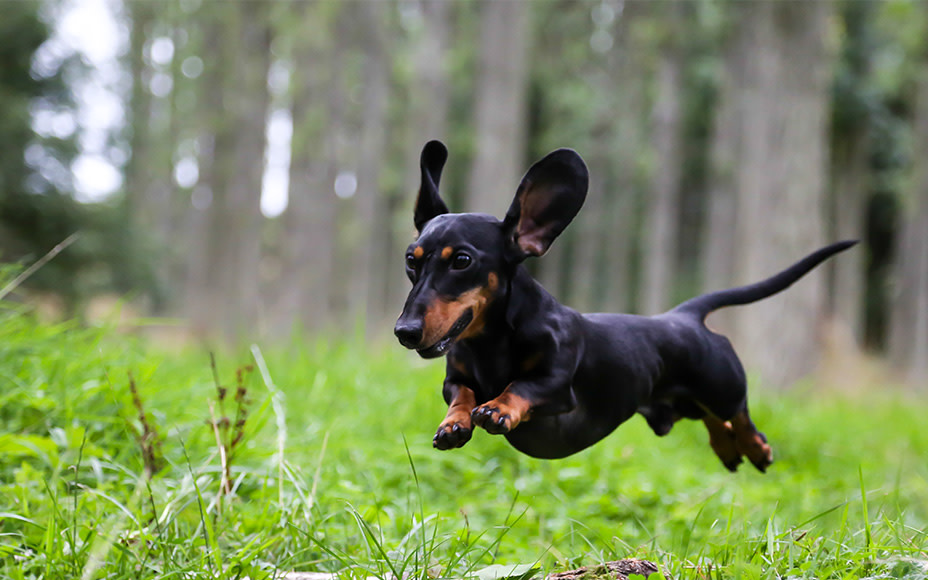
To prevent this, owners can rely on responsible breeding, a healthy weight and →the right nutrition and thus protect the back as well as avoid climbing stairs. It is also advisable to use a dog ramp for getting onto sofas and beds to relieve the back.
Small Portion, Big Taste - Pets Deli MINI
Toy poodle & miniature poodle
The →miniature poodle (from 28 cm) or toy poodle (up to 28 cm) is a mini dog breed with the typical curly coat. The poodle in mini format is a real all-rounder: not only is it especially smart and eager to learn, it also has plenty of energy and loves extensive romping in the water and on land. That’s no surprise, as its larger relatives are known for their work as water dogs.
In terms of health, miniature and toy poodles occasionally struggle with progressive retinal atrophy or cataracts. Again, the rule is: proper breeding excludes sick parent animals and thus reduces the chance of passing on the disease.

Mini dog breeds and small dog breeds: When does being small become a problem (torture breeding)?
As you could see from the health characteristics, mini dog breeds often suffer from specific diseases. What stands out in particular is dislocated kneecaps, which are indeed due to the desire for ever smaller dog breeding. Hip problems are also increasingly common here.
That’s why it’s important when choosing a small dog that breeding aimed at producing ever smaller dog breeds is not supported. Even already mini breeds like the Chihuahua are bred especially in countries such as Japan and Brazil.
Not only physical limitations are noticeable, but also the behavior of very small dog breeds. It can be seen that this increasingly tends toward misbehavior and is more common than in (larger) standard breeds. The trend toward extra small dog breeds also brings the following health consequences for the minis:
Dental diseases due to a mouth that is too small
Heart diseases
Vaccine reactions due to low weight