First signs that your cat is constipated
Constipation is quite a common problem in cats, but it should not be taken lightly. After all, who likes to have regular stomach rumbling and digestive issues? If a constipation also remains untreated for a longer period, it can lead to more serious health problems. To help you recognize constipation in your kitty in time and assist her, you should watch out for the following symptoms:
irregular passing of small amounts of dry stool
unsuccessful straining during defecation, possibly with the release of small amounts of blood, mucus, or diarrhea
vomiting
restlessness or lethargy and exhaustion
abdominal pain (cat does not like to be touched on the belly)
loss of appetite up to weight loss
curved posture


If you suspect constipation, you should take your cat to the vet!
Causes & treatments of constipation in cats
If you think your cat might be suffering from constipation, the first thing you can do is take her to the vet. They will examine the extent of the condition, identify possible causes, and initiate appropriate treatment. Depending on the severity and cause of the constipation, there are different treatment methods:
Dietary change: If it is determined that your cat is suffering from constipation due to improper nutrition , you should switch to a →healthier and more balanced diet diet. If you are unsure about this, you can get free advice from our nutrition experts →about your cat's food.
Administering suppositories administer: To resolve an already existing mild constipation, a suppository to stimulate bowel movement can be administered. Mild constipation can occur due to dehydration, lack of exercise, swallowing hair, or as a side effect of medication.
Administering an enema: In cases of large amounts of hard stool in the colon, the cat is given an enema with warm water. In severe cases it may also be necessary for multiple treatments and for the vet to manually and carefully remove the stool by hand.
Administration of laxatives: After successfully eliminating the constipation, additional laxatives such as malt paste or paraffin oil can be administered. These are intended to keep the stool soft and prevent further constipation. However, such remedies should never be given without consulting a vet and only for a short period of time, as they could irritate the intestinal lining and their effect will eventually wear off.
Administration of prokinetic medications: If your cat suffers from intestinal sluggishness, so-called prokinetic medications can be administered. These are medications with active ingredients that stimulate natural stomach movement.
Surgery: If a foreign body, an intestinal obstruction or a narrowing of the pelvic canal is responsible for the constipation, surgery is necessary.
Removal of the damaged section of intestine in pronounced megacolon: If your cat has a pronounced megacolon, the intestinal wall is so severely structurally altered and damaged that it cannot be satisfactorily treated or cured with medication. Removal of the damaged section of intestine (colectomy) is then the only treatment option. Immediately after surgery, diarrhea may occur for several weeks until the digestion has adjusted to the shorter intestine.

If your cat can no longer properly do its business, this is an early sign of constipation.
A healthy cat food is essential for a happy and long life for your cat. Our Pets Deli wet food for cats is not only packed full of high-quality ingredients and delicious meat, it also comes in different textures and thus ensures greater acceptance from your kitty.
With different textures for the best taste experience!
Which food is suitable for cats that frequently suffer from constipation?
If your cat repeatedly has problems with constipation, you should take a closer look at her diet. It is also important to check whether your cat might be suffering from a megacolon. This is a structural change in the intestinal wall that must be treated with medication or, in severe cases, with surgery. Afterwards, a special diet is required.
Feeding for constipation without megacolon
If your cat tends to get constipated more often, switching to a diet higher in fiber may help. The water-binding plant fibers in dietary fiber bind water in the stool, keeping it soft and allowing it to pass through the colon more easily.
Adding fiber either in powder form or as a food enriched with fiber should always be discussed with your vet. The addition of fiber must be adjusted to your cat's body weight and feeding; otherwise, it can also lead to a nutrient deficiency.
Feeding for constipation with megacolon
If your cat has already been diagnosed with megacolon or repeatedly suffers from severe constipation, you should definitely avoid a high-fiber diet. Since the intestinal wall of the colon is already irreversibly damaged, the aim should be to reduce the amount of stool as much as possible. In such cases, cats are given light and highly digestible food with as few indigestible components as possible. In some cases, the animals are also prescribed laxatives.
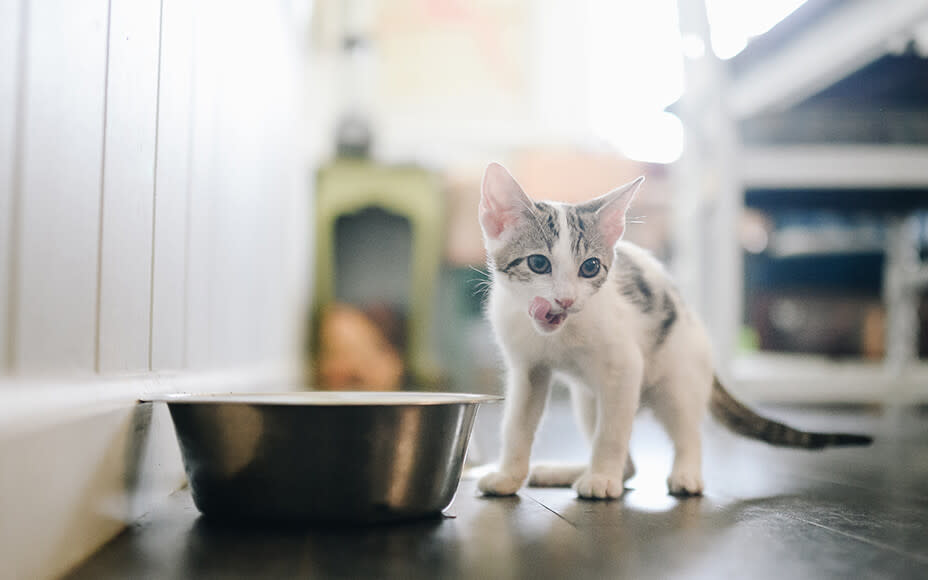
The right nutrition plays a vital role in your cat's health and should be tailored to their age and needs.
What you can do to prevent constipation in your cat
Your cat has been treated for constipation and now you want to prevent it from happening again? There are a few things you can do to help prevent constipation in your cat:
Place several litter boxes in quiet places and keep them clean.
Place several water bowls, drinking fountains or similar. Ideally, these should be placed separately from the litter box and food bowl. Tips on how to get your cat to drink more can be found in →our article.
If your cat tends to get stressed easily, you should try to reduce possible stressors. For example, if children or other pets live in the house, make sure there is a quiet retreat. This could be a quiet cat room, for example.
If your →cat is overweight, weight reduction can also help prevent constipation.
Perhaps aromatherapy with →essential oils could help? Get advice from your vet or a cat nutrition expert.