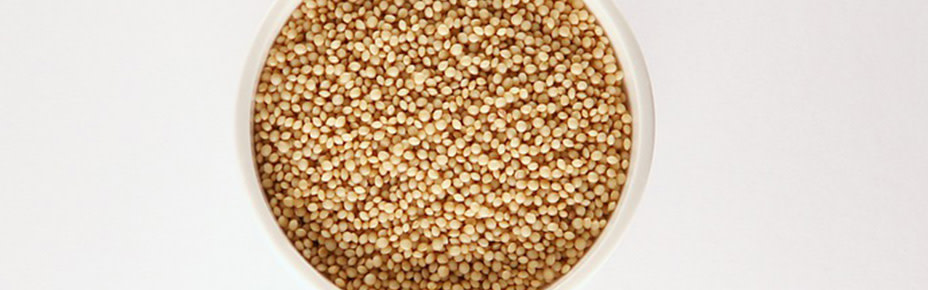
Amaranth for Dogs: The Power Grain and Its Benefits in Dog Nutrition
While the superfood from our kitchen is now indispensable, Amaranth also deserves a fixed place in the bowl of our furry friends. Whether puffed, as flakes, or simply raw - Amaranth comes in various consistencies. But what exactly makes this gluten-free grain so healthy and valuable? We show you what lies behind it and how you can feed Amaranth to your dog.
Why is Amaranth Good and Healthy for Dogs?
Amaranth shines with a variety of nutrients and an extra high protein content. This means that the grains not only satisfy particularly well, but also provide your four-legged friend with numerous minerals (iron, zinc, potassium, phosphorus, and magnesium), fiber, and essential amino acids. Not only that, the contained peptides support your dog's body in defending against infections and reduce the risk of diseases such as diabetes and inflammation.
As the "grain of the Incas," Amaranth has been used and appreciated as a healthy food for centuries.


[TRANSLATION ERROR] Amaranth ist nicht nur lecker und sättigend, sondern spendet wichtige Ballaststoffe für einen niedrigen Cholesterinspiegel sowie Vitamin A, C und E für ein gesundes Immunsystem.
But Isn't Grain Harmful for Dogs?
Can dogs even eat grains? Opinions about the →pros and cons of grains for the canine body differ among veterinary experts. However, it is clear that grains make up the largest group when it comes to allergy-triggering components. In particular, dogs with sensitive stomachs or →food allergies can quickly experience stomach pain, vomiting, diarrhea, or constipation from grains.
BUT: It's great that Amaranth is not a grain - and that the grain contains no gluten! Strictly speaking, Amaranth is classified as a "pseudograin" and contains 1. no gluten and 2. much more nutrients than other grains. Thus, the foxtail amaranth represents a healthy and valuable alternative and deserves a fixed place in your dog's diet.
Do you want your dog to benefit from the golden wonder balls? In some of our wet food varieties for dogs, alongside plenty of fresh meat, crunchy vegetables, and fruity fruits, there is also delicious Amaranth. When →hearty beef meets crunchy broccoli and grainy Amaranth, it can only be a treat!
Mach deinem Hund eine Dose Freude auf!


How Do I Feed Amaranth to My Dog?
If you want to take the cooking spoon into your own hands and prepare a delicious meal for your four-legged friend, you should inform yourself well about the →species-appropriate and healthy nutrition of dogs beforehand. Cooking without a plan is not a good idea, as your four-legged friend needs the right dosage of proteins, carbohydrates, fats, minerals, and fiber tailored to their weight.
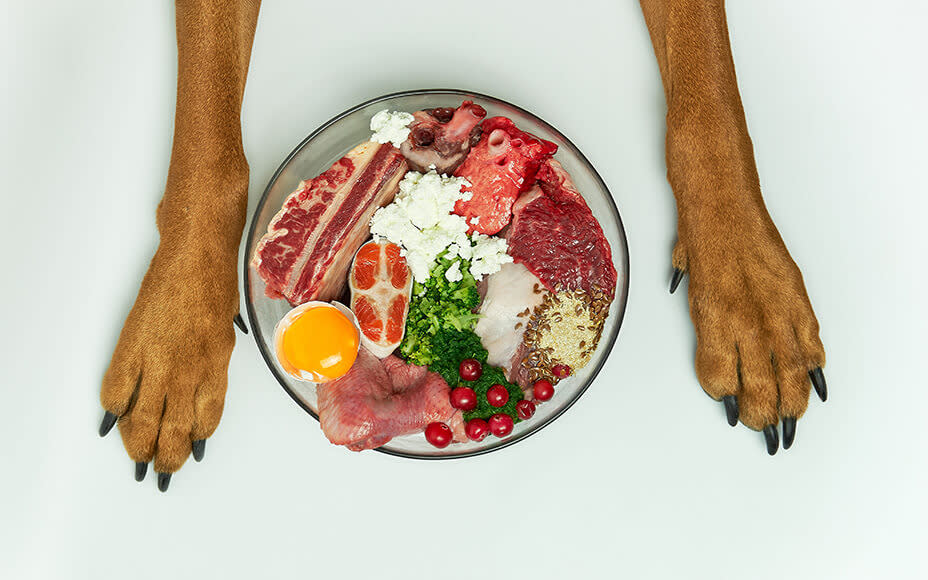
[TRANSLATION ERROR] Frische Zutaten für deinen Hund? Das ist genau das Konzept vom BARFen!
Do you love freshness for your dog? Our BARF menus provide your four-legged friend with everything they need for their daily life in combination with a rich oil and our mineral mix.
Entdecke unsere BARF Frische-Menüs und werde ganz leicht zum Profi!


If you want to enhance your dog's meal, you can mix in some cooked Amaranth. Puffed Amaranth is already pre-cooked and swells in the food, making the consistency very pleasant for dogs. You can also easily mix in flakes with a teaspoon. With raw Amaranth, there is a risk of stomach pain, →diarrhea, →vomiting, and →constipation, which is why only cooked or puffed Amaranth should go in the bowl for dogs.
If you want to feed Amaranth permanently, keep in mind that the grain also provides carbohydrates and the →feeding amount must be adjusted accordingly to avoid, for example, →overweight. The small grain is full of healthy power, but is not suitable as a sole feed, but rather as a topping.