
When is my dog considered a senior?
Gray muzzle, less energy, and more cuddle time – our dogs also →get old at some point and change. Aging doesn't just mean a gray coat and poor eyesight; your furry friend's needs also change, especially when it comes to food.
But when is your beloved pet actually considered a senior? That depends on the size and breed of your dog. Large dog breeds weighing 30 kilos or more are considered seniors at around 5 to 7 years old. Small dog breeds on the other hand, which weigh around 5 kilos are considered seniors at about 9 years old.
Why feed special senior food?
When metabolism, digestion, and movement slow down with age, isn't it enough to just feed less? The answer is clear: No! While your dog's energy needs decrease with age, a simple reduction of their usual food would also lead to a deficiency in nutrients. Your gray-muzzled friend still needs vitamins, minerals, and the occasional "extra" well into old age!
The benefits of senior food for your dog at a glance:
The right amount of protein to support muscles and the musculoskeletal system
Easily digestible protein sources and other nutrients to support digestion, such as chicken, rice, and cottage cheese
More vitamins and minerals, especially vitamins C and E, to support the immune system
A lower phosphorus content to relieve the kidneys
A higher fiber content to stimulate the intestines

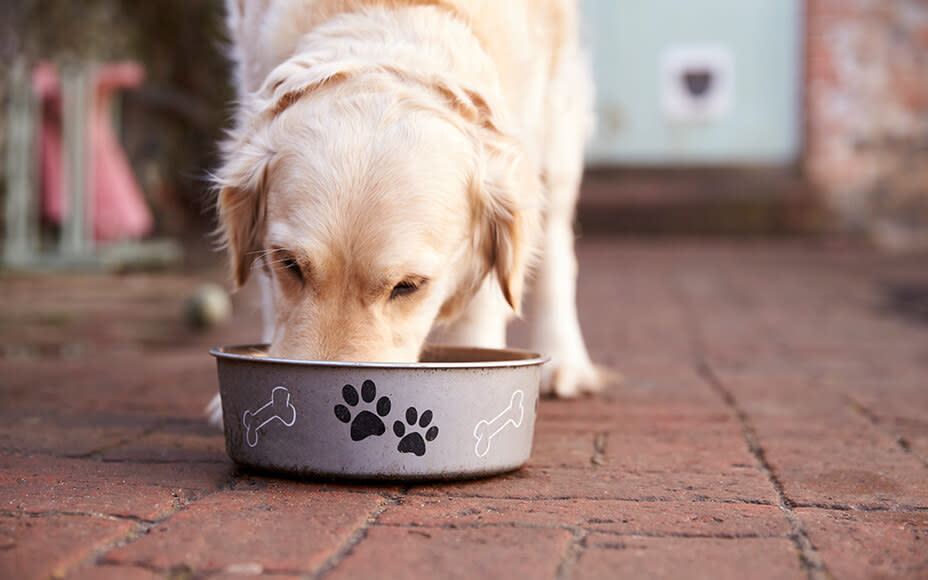
Many older dogs prefer wet food because they can chew the soft food pieces more easily.
Diseases in older dogs and the right nutrition
There are also minor ailments that are completely normal for older dogs but don't have to limit them. These include digestive problems such as bloating or →constipation, tooth pain caused, for example, by →tartar and joint problems such as →arthritis. With a suitable senior food you can address these age-related challenges and continue to bring your beloved pet lots of joy at mealtime and in daily life.
For digestive problems
Older dogs' digestion is often more sensitive to disturbances, as the bacterial balance in the gut changes. This leads to more frequent occurrences of bloating, constipation, or →diarrhea. With an age-appropriate food with easily →digestible protein sources like chicken or kangaroo, you can help prevent digestive issues. You should also make sure to serve your dog’s food at room temperature and, if necessary, →switch to wet food.
For dental problems
Especially →dental health suffers in many dogs as they age. Hard food pieces are not as easily or willingly chewed as in previous years. If you notice your senior refusing their usual dry food, have them checked by a veterinarian. Maybe they have tooth pain? In such cases, switching to wet food can be more pleasant for your gray-muzzled friend. The soft food pieces are easier and more comfortable to chew.
For joint problems
Just like in humans, our beloved dogs can experience joint wear and tear. Large breeds in particular are more likely to suffer from conditions like arthritis, hip and elbow dysplasia. In addition to gentle exercise, nutrition also plays an important role. Certain ingredients like green-lipped mussel or salmon support joint and cartilage health. You can find both in our →VET Joint Fit wet food with salmon, chicken, and quinoa.
Supporting you during treatment: Pets Deli VET
Dry or wet food for older dogs?
→Senior food for dogs is often offered as wet food, since many older dogs develop dental problems and can no longer chew dry food as well. Wet food has a pleasant texture and also provides your pet with extra moisture.
But whether dry or wet food – when choosing a →high-quality senior food make sure to look for a short, transparent ingredient list. Instead of animal by-products, the exact meat cuts should always be listed. High-quality proteins are obtained from muscle meat and organs such as heart or liver.
An adjusted, reduced protein and phosphorus content relieves the kidneys and provides your dog with just the right amount of energy for a less active lifestyle. At the same time, higher levels of vitamins and minerals should be present to meet your gray-muzzled friend's needs. Healthy fruits or vegetables provide fiber, which helps the sluggish digestion of your older dog get going. Nutritional additives should be clearly listed – this way you can see if your dog is getting what they need.
At Pets Deli, that's exactly what you'll find: We have no secrets from you and you can see exactly what’s in every food, so you know what you’re feeding your dog: A high meat content, fresh fruits and vegetables, rich oils, and healthy herbs.
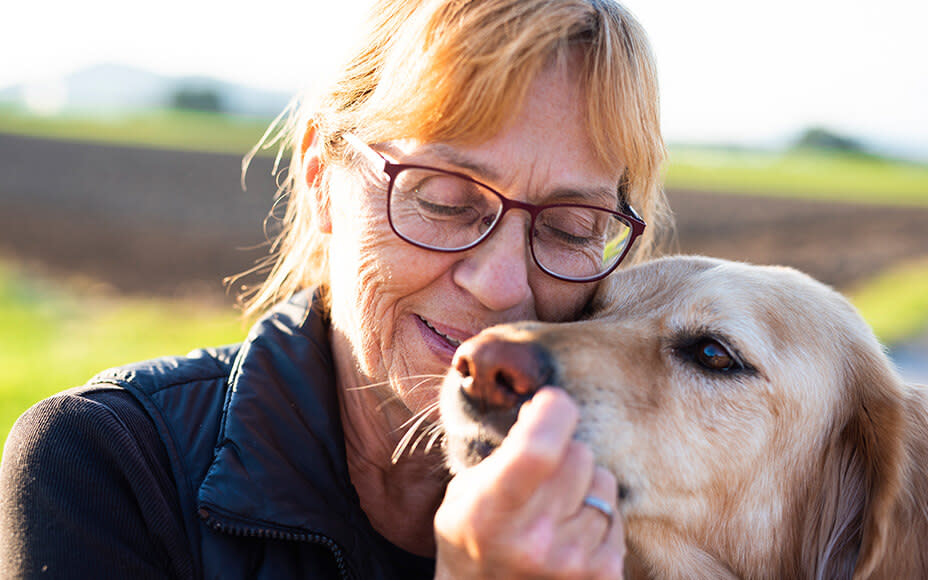
Fit into old age – with the right food, you can support your four-legged friend's health and show them how much you love them.
Weight problems in older dogs
It's also not uncommon to notice that older dogs can no longer maintain their ideal weight. Due to slowed metabolism and less desire to be active, some seniors put on a few extra pounds here and there. →Obesity should still be avoided, as it puts extra strain on the joints and cardiovascular system. Maybe you can cut back on snacks or adjust the food amount again.
But it can also happen that your dog loses weight and becomes thinner. Due to problems with eating or digestion, or the loss of the sense of smell and taste some dogs simply lose their appetite. You can try adding a little →salmon oil to your pet’s food. If your dog continues to lose weight, have them checked by a veterinarian to make sure nothing else is behind the →loss of appetite.