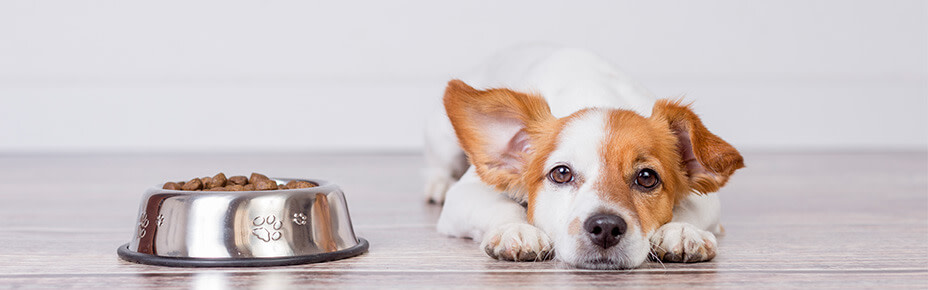
Help, my dog isn't eating anymore! Common causes of loss of appetite
Almost every dog owner knows the problem: You lovingly prepare a delicious meal for your four-legged friend, and then the tasty menu is rejected. If your dog occasionally doesn't eat its food, it's not necessarily a cause for concern. Often, there are harmless reasons behind it. In some cases, →loss of appetite or also called inappetence can be a first sign of some illnesses. Our Pets Deli veterinarian Rebecca explains common causes of inappetence in dogs and what you should pay attention to.
Medical causes - is your dog sick?
Even though refusing food often has harmless backgrounds, it can still be a first sign of an illness and should not always be dismissed as harmless.
Pain
Just like in humans, pain can quickly upset your dog's stomach. Any kind of pain can lead to inappetence. This can often be, for example, pain in the mouth area, such as
- Toothache,
- Injuries to the tongue or → gums, and
- Pain in the jaw joint.
But other pains, such as →abdominal pain, →arthrosis, or pain in the area of the larynx can also lead to reduced food intake.

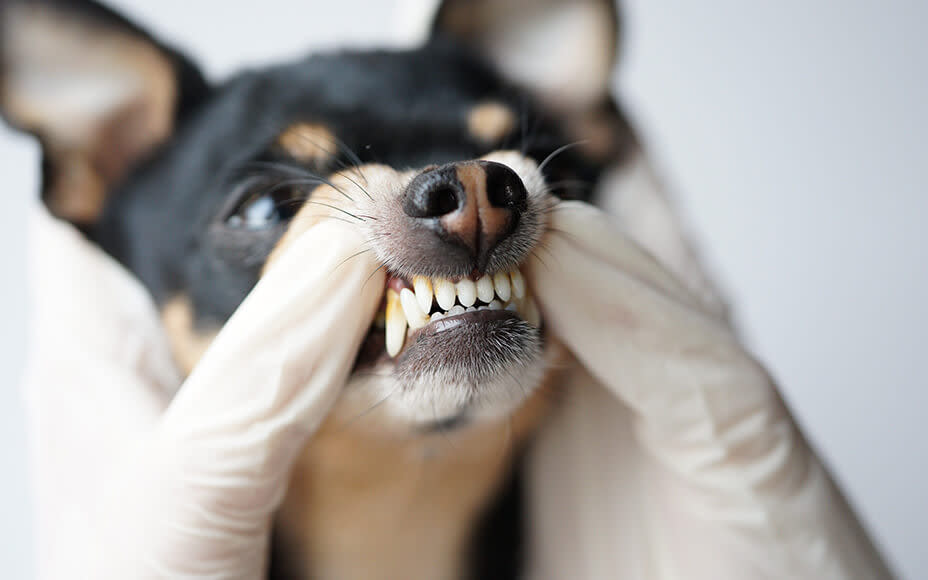
[TRANSLATION ERROR] Der Sache auf den Zahn fühlen: Stimmt was nicht mit der Zahngesundheit, kann eine Parodontitis entstehen mit Entzündungen und Appetitlosigkeit.
Is your dog's stomach often grumbling and affecting its appetite? Our →herbal mix for dogs' stomach well-being provides your beloved pet with soothing and calming →herbs. Additionally, we have a very special treat for the sensitive ones among our four-legged friends who deal with food allergies - we ensure light meals and joy in the bowl!
Entdecke unsere Sensitiv Sorten: Grummelbauch ade!


Inflammations
All kinds of inflammations, such as →pancreatitis, respiratory tract inflammations, arthrosis, →inflamed wounds, or skin inflammations can lead to inappetence.
Diseases that can lead to loss of appetite
A sick dog usually doesn't eat well. The possible diseases are varied:
1. Immunological diseases, meaning diseases where the immune system is attacked.
2. Endocrinological diseases: These are pathological disorders of the hormone-producing organs. This includes diseases of the thyroid (hypo/hyperthyroidism), the pituitary gland, the adrenal gland (e.g., hypoadrenocorticism), or the pancreas (e.g., diabetes mellitus).
3. Tumor diseases: Unfortunately, cancer is also very common in our beloved four-legged friends. It can affect all kinds of organs, just like in humans. Often, reduced food intake or loss of appetite is the first and only symptom of tumor diseases.
4. Gastrointestinal diseases: This includes gastric emptying disorders, foreign bodies, →intestinal obstruction, and inflammations of the gastrointestinal tract. All these problems can lead to inappetence.
5. Other diseases: Various other diseases, such as →kidney failure, viral diseases, or other organ diseases can also promote loss of appetite.
Is your sick furry friend prescribed a special diet? Such so-called diet foods don't have to be boring! With our VET Line, we support sick four-legged friends and ensure delicious munching!
Behandlungsbegleitend an eurer Seite: Pets Deli VET


Psychological causes - is your dog stressed?
Our four-legged companions can, just like us, suffer from →stress**. Ask yourself the following questions:
❓ Do you and your furry friend currently have a completely different daily routine than usual?
❓ Have you recently moved or redesigned your apartment?
❓ Has your beloved pet recently lost a two- or four-legged friend?
❓ Are you currently meeting many new people or dogs?
❓ Is your furry friend currently in puberty or in heat →?
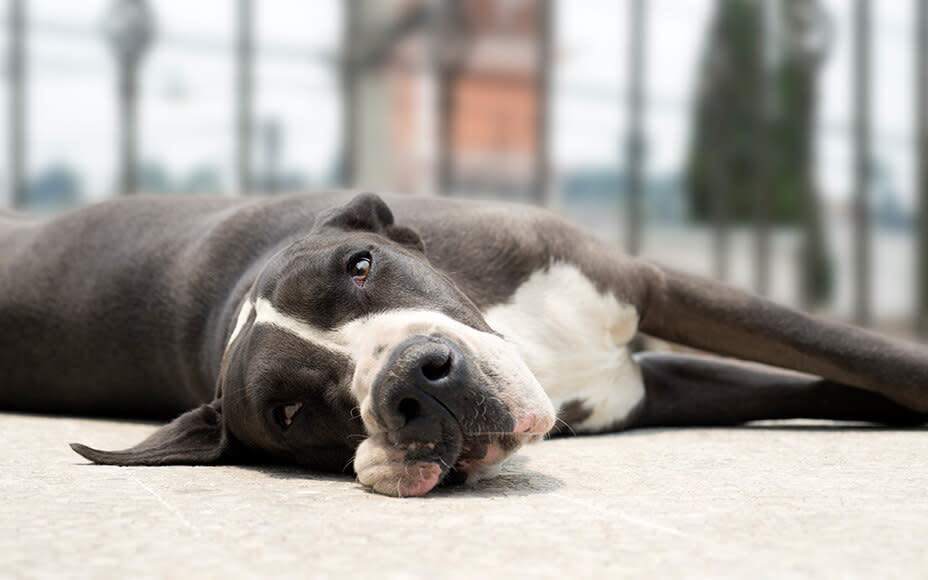
[TRANSLATION ERROR] Umzug, Läufigkeit oder der Verlust eines geliebten Menschen bzw. vierbeinigen Freundes: Psychische Faktoren wirken sich auf den Appetit von Hunden aus.
Not only can these things stress you, but they can also stress your dog. Some dogs are more sensitive, and even small changes can spoil their appetite. Others are more robust and are not easily thrown off track. You know your beloved pet best, and you might already suspect what could be stressing them out right now.
What can you do about it? Try to bring a bit more routine into your daily life. Pamper your furry friend with extra cuddles and try to radiate calmness yourself. Our stress can also transfer to our four-legged friends.
Food - does your dog like it?
In addition to medical or psychological causes, inappetence can also simply be due to the food itself. Perhaps your furry friend doesn't like the selected food. Maybe you are serving the food fresh from the fridge, making it too cold for the sensitive dog stomach. Do you spoil your pet with lots of snacks in addition to regular feedings? Then it could be that they are simply already full from the treats. Dogs also tend to reject food that has been left out for a long time and no longer smells fresh. Wet food and BARF are perishable and must always be fed fresh.
Is your four-legged friend getting older and gradually eating less? It may be that due to less movement and physical activity, the energy needs of your dog have changed, and that's why they don't eat as much anymore. Older dogs need a tailored →diet specifically for senior dogs.
Or your furry friend simply belongs to the picky gourmets. Today they like one food, tomorrow they completely refuse it, but another variety is devoured with delight. Unfortunately, as owners, we are sometimes not entirely innocent in this behavior. Our four-legged friends are smarter than we think. When they notice that a better option follows quickly after refusing food, they are somewhat trained to wait for the better food.
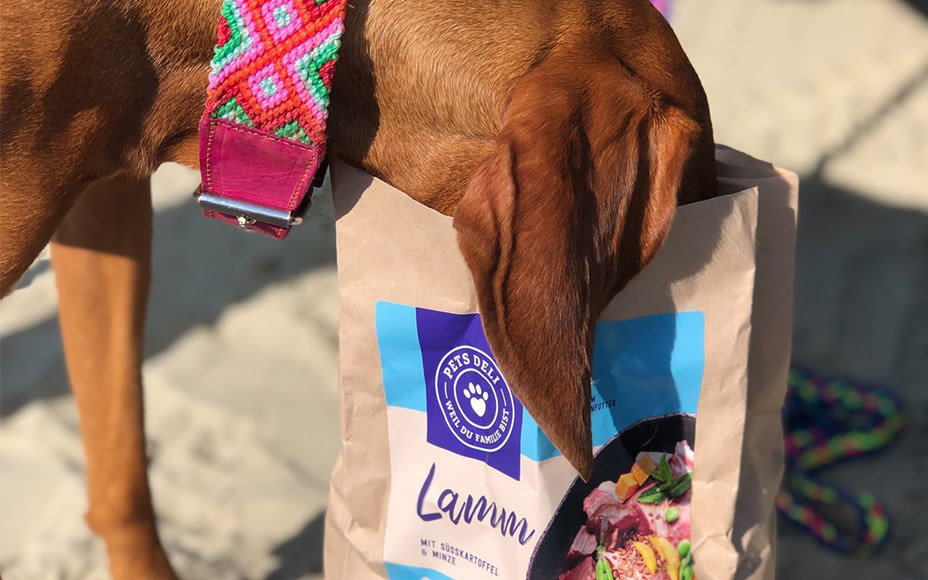
[TRANSLATION ERROR] Aber bitte gesund! Der Weg zum richtigen Futter ist manchmal lang und du solltest dich gut informieren, was eine artgerechte Fütterung von Hunden ausmacht.
Of course, it is commendable that you are looking for the best food for your dog and are willing to try different options. Pay attention to an ingredient list without grains, sugar, and artificial additives. Also, be cautious with animal by-products: While lungs, hearts, kidneys, and tripe are well-utilized, wool, horns, claws, and feathers are not suitable for feeding. With Pets Deli, you place your dog's paws in our safe hands - we want only healthy and tasty food in the bowl for your furry friend!
Unser Futter für Hunde: gesund, ehrlich, lecker.


What can you do to improve your pet's food intake?
Do not feed the food straight from the fridge, but let it warm up a bit, as room temperature is suitable for the dog's stomach. You can also mix the food with some warm water - this makes the wet food tastier, and many dogs prefer it this way. If your furry friend doesn't eat the food right away, don't immediately offer another food. This will train them to be picky, and they will learn that they can get new food at their leisure. Also, make sure to not give too many snacks in a day and pay attention to the amount when feeding. Take a look at the →feeding recommendations and adjust accordingly.
You know your beloved pet best. Therefore, you can also best assess whether your four-legged friend is rejecting food due to stress, is simply picky, or is not feeling well. In general, it is better to go to the veterinarian once too often than once too seldom!
Little tip: Many four-legged friends go crazy for a delicious enhancement of their food - naturally increase your dog's appetite with our →Vitamin Booster or →delicious salmon oil.