Salt for Dogs - Allowed or Toxic?
Whether on potatoes, eggs, or in any other meal: A life without salt is like a meal without... spices. For us, it's quite sad and unimaginable - after all, the "white gold" adds the right kick to the plate. Once as valuable as pure gold, today a standard product in every kitchen, salt has always been highly sought after in ancient cultures.
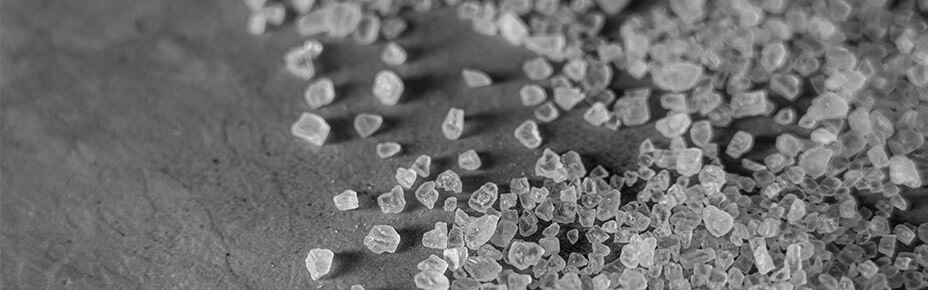
But what is salt actually and is it also allowed for dogs? Mostly composed of sodium chloride, the colloquial "salt" is what we know today. This usually refers to common table salt, cooking salt, or food salt. Salt plays a crucial role in the body - in the right dosage - and dogs are allowed and even need to eat salt. However, before you reach for the teaspoon of salt to enhance your furry friend's food, you should first understand why our four-legged friends need the mineral and in what quantity.
Do Dogs Need Salt? Here's Why the Mineral is So Important
Salt regulates the water balance, digestion, and healthy muscle function. We humans also have a certain salt content in our bodies - this is 0.9% and corresponds to an isotonic saline solution, which you may have heard of. Only in this way can our cells function properly and would not work with a lower percentage.


[TRANSLATION ERROR] Der benötigte Salzgehalt für Hunde ist nicht genau definiert und hängt vom Gesundheitszustand, der Größe und dem Gewicht ab.
Like any other mammal, your four-legged friend also needs salts - even wolves met their salt needs through the sodium found in the blood of their prey. In fact, they exceed the recommended daily dose for us. Does this mean our dogs need much more salt? Scientifically, it is not yet clear how much salt a dog actually needs - what is certain is that four-legged friends could not survive without salt and would show signs of poisoning with too high a dose. Depending on size, weight, and health condition, the required amount of salt is very individual.
With our high-quality dog food, we not only serve your furry friend the tastiest meal, but also cover their nutrient needs. The combination of fresh meat, crunchy vegetables, fruity fruits, as well as oils and herbs provides your dog with everything they need for a healthy canine life.
Since sodium is an essential mineral, you will naturally find it in our food. Based on the →feeding recommendations, your dog takes in exactly the appropriate amount of salt for them. No matter how much you love your furry friend, you should better not oversalt this soup!
Don't get salty - in unserem gesunden Hundefutter ist bereits alles, was dein Hund braucht!


Is Salt Harmful to Dogs and How Does an Overdose Manifest?
Salt is harmful to your dog only when they consume too much of it. A high percentage of salt in the food is suspected of promoting diseases of the kidneys and the cardiovascular system. Dogs that already have pre-existing conditions of the kidneys and heart usually require a special diet with food tailored to these needs and with a lower salt content.
Behandlungsbegleitend an eurer Seite: Pets Deli VET


If your four-legged friend grabs a French fry, they will not immediately suffer from "salt poisoning." Depending on your dog's size and weight, it would have to be a significantly larger amount of salt - and that in combination with too little water. If your furry friend has, for example, slurped seawater (which you should definitely avoid while on vacation) or snatched a salt-rich meal, these symptoms may indicate too high a salt intake by your dog:
- →Fever
- →Diarrhea
- →Abdominal pain
- Muscle twitching
- Tension and restlessness
- Heavy panting
- High fluid requirement
- High heart rate (normal: 70-100 beats per minute, up to 200 in puppies)
Do you want to show your dog love and worry that they are getting all the healthy additives they need? Don't worry, because the right food within the framework of →species-appropriate nutrition takes care of that. But there is one ingredient your dog can never get enough of: love! And what better way to show that than with a healthy treat that is completely free of sugar, grains, and artificial additives?
Give love with our tasty snacks
What Should I Do If My Dog Has Eaten Salt?
Especially for puppies and young dogs, too much salt can quickly become dangerous. But even in small dog breeds, smaller amounts can be enough to cause an overdose. Dogs do not always react immediately with visible symptoms, and with a permanently increased salt intake, there is a risk of kidney and heart diseases.
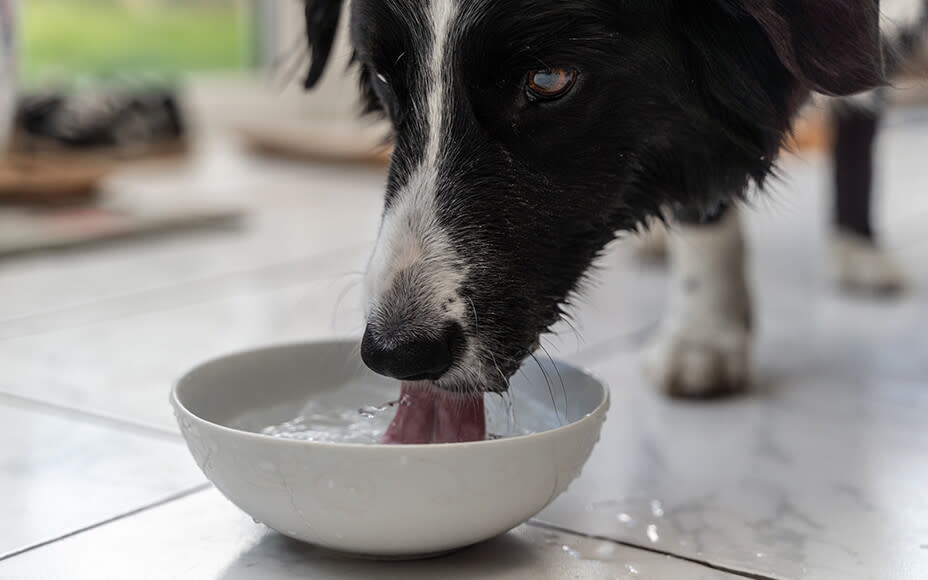
[TRANSLATION ERROR] Schlapp schlapp! Eine ordentliche Portion Wasser sorgt dafür, dass die aufgenommene Salzmenge wieder ausgeschwemmt wird. Dein Vierbeiner wird versuchen, den "Katerdurst" selbst zu stillen.
Healthy dogs, on the other hand, can usually excrete small amounts of salt through their kidneys - but it also depends on the amount. The key is that your dog can quench the thirst caused by too much salt. This way, the salt content in the blood decreases again, and the remaining salt finds its way out of the body. In practice, a salt poisoning is more commonly known when dogs have no water available. So, make sure your dog always has enough fresh water to drink.
Salt is generally not →toxic for your dog, and a bite of your food will not immediately cause them to suffer from salt poisoning. While their stomach may grumble, it only becomes harmful when they have eaten a large amount of pure salt or are provided with salt in addition to their complete feed over a longer period. Healthy dogs, however, can usually excrete small amounts of salt through their kidneys - but again, it depends on the amount. If your dog has ingested a larger amount of salt and their condition changes, you should still call the veterinary practice just to be safe.
If you want to enhance your dog's food, it’s better not to use salt. Instead, why not try our irresistible →salmon oil or the →vitamin booster - your four-legged friend will be provided with healthy fats and vitamins and will also enjoy a delicious topping!
Can Dogs Taste Salt?
Our four-legged friends can taste things just like we do and can distinguish these flavors. However, since they have only about 1/5 of the number of taste receptors, the intensity is much milder. Your four-legged friend is therefore not really a salty taster and misses nothing if their meal is a bit less salted than your lunch.