Pancreatitis (Pancreatic Inflammation) in Dogs
The pancreas is an important organ for nutrient absorption in our furry friends, just as it is in humans. It consists of two parts:
1. The so-called endocrine pancreas produces hormones including insulin. This hormone ensures that the sugar absorbed from food enters the cells.
2. The exocrine pancreas produces many important digestive enzymes. These are secreted into the first part of the small intestine and help break down fats, proteins, and carbohydrates. Only through this enzymatic breakdown are these energy and nutrient sources made available to the body.
In the case of pancreatitis, the exocrine part of the pancreas is affected, meaning the part that produces the digestive enzymes. There is an acute and a chronic form of pancreatitis.
How dangerous is pancreatitis?
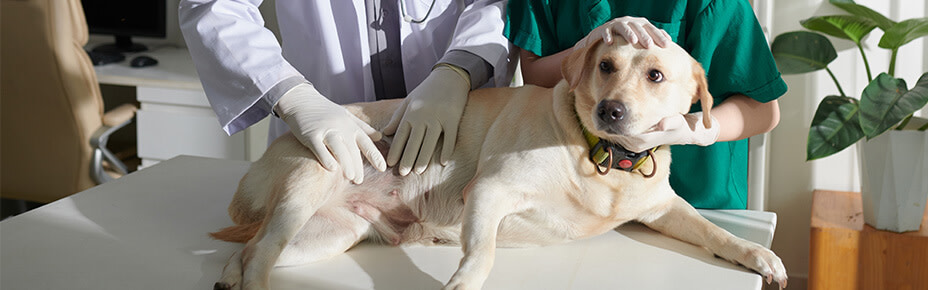
The acute form often represents a medical emergency that should be treated by a veterinarian as quickly as possible. "Medical emergency" in this case means that often a multi-day hospital stay with intensive medical care in a veterinary clinic or practice will be necessary for your furry friend. Unfortunately, pancreatitis can also deteriorate rapidly, and not all furry friends survive the illness, making prompt veterinary treatment all the more important.
The chronic form often develops gradually or with recurring acute episodes.

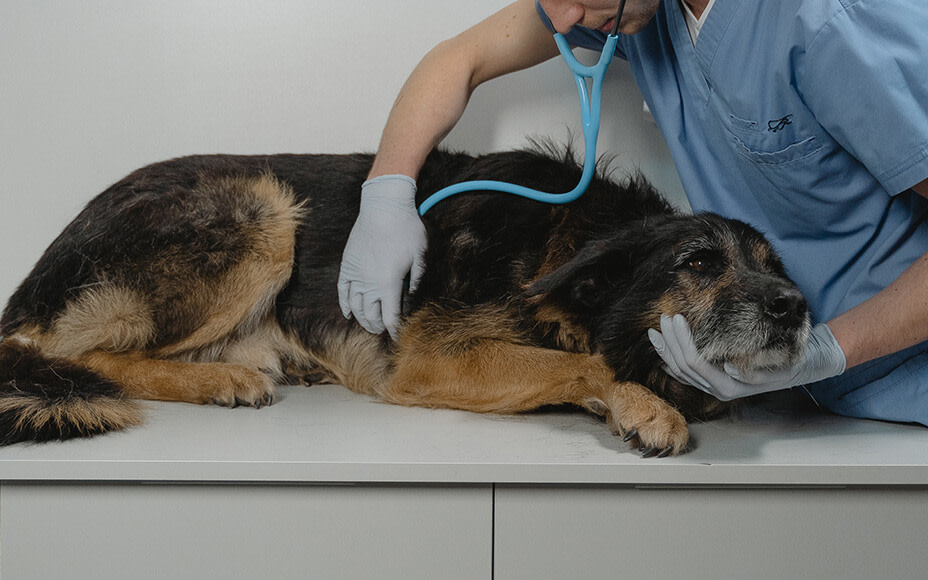
[TRANSLATION ERROR] Ernst, ernster, Pankreatitis beim Hund: Wenn du vermutest, dass deine Fellnase eine Entzündung der Bauchspeicheldrüse haben könnte, zögere nicht und fahre in eine Notfallklinik für Vierbeiner.
Symptoms: How do I recognize pancreatitis in my dog?
These signs are among the most common symptoms of pancreatitis:
- →Abdominal pain
- →Vomiting
- →Loss of appetite
But a number of other symptoms can also indicate pancreatitis:
- →Diarrhea
- Weakness
- →Fever
- Yellowing of the mucous membranes
- Dehydration
- Assuming the "praying position" (chest and front legs on the ground with raised hind legs)
All of these symptoms, such as vomiting, occur not only in pancreatitis but also in many other diseases. Therefore, further diagnostics are always necessary for a diagnosis.
If you notice one or more of these signs in your furry friend, you should seek prompt veterinary advice.
Causes: What causes pancreatitis?
The exact causes of pancreatitis are still scientifically unclear. However, there are various risk factors that promote its development:
- Genetic predisposition: Breeds such as Miniature Schnauzers, Shelties, Cavalier King Charles Spaniels, or Cocker Spaniels have an increased genetic predisposition to develop pancreatitis.
- →Overweight
- Inappropriate food: Table scraps, waste, fatty foods
- Infections: for example, the tick-borne Babesiosis
- Medications: such as potassium bromide, phenobarbital
- Poisoning: for example, from organophosphates, which are often found in insecticides (→Caution, poison bait)
- Diseases of other hormone-producing organs: such as diabetes mellitus, hypothyroidism
- Direct trauma to the pancreas from abdominal injuries or surgeries in the abdominal cavity
Diagnosis: How is pancreatitis diagnosed?
As you have already learned, an acute pancreatitis often represents a medical emergency. If your veterinarian suspects pancreatitis based on the history and clinical examination, blood tests and an ultrasound examination will usually follow.
In the blood test, blood cells, organ values, and electrolytes are usually examined. While these values cannot diagnose pancreatitis, they help assess your pet's condition and the extent of the disease. Additionally, there are specific blood tests that measure pancreatic enzymes (pancreatic lipase)**, which are significant for diagnosis.
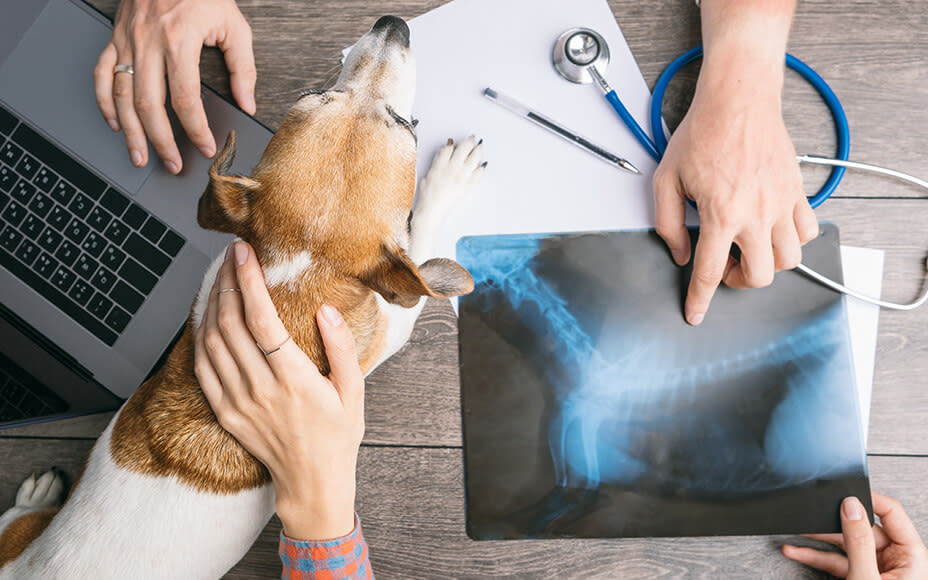
[TRANSLATION ERROR] Bluttests, Ultraschall und Röntgen helfen Tierärzt*innen, die Diagnose einer Pankreatitis beim Hund so sicher wie möglich vorzunehmen.
An ultrasound examination of the abdomen provides important information about the condition of the pancreas and other organs such as the stomach, intestines, liver, and kidneys. Sometimes, a radiological examination can also be helpful in ruling out other diseases.
Depending on the results of the various examinations and your pet's condition, your veterinarian will discuss the necessary therapy.
Anxiety in the clinic? Many furry friends find the visit anything but pleasant. With our delicious, light, and low-fat snacks, you can reward them gently and healthily!
Leckere Belohnungen für tapfere Hunde
Treatment of pancreatitis in dogs
Depending on the possible known cause of pancreatitis, the underlying disease should be treated and contributing factors such as inappropriate diet avoided.
Depending on the severity of the pancreatitis, various therapeutic measures are necessary.
Replenishing fluid loss
Due to loss of appetite and vomiting, the furry friends lose a lot of fluid during pancreatitis, so replenishing fluid loss plays a crucial role. For this, your pet will receive infusions through a venous catheter.
Medication therapy
You can imagine that inflammation of the pancreas is quite painful. Therefore, adequate pain management is very important. Medications against vomiting are also used in the treatment of pancreatitis. These medications are usually administered through the venous catheter just like the infusions.
The administration of antibiotics is often not necessary and not useful. However, depending on the severity of the pancreatitis and any damage to the intestines, antibiotics can be important for treatment. Your veterinarian will choose the right therapy for your beloved pet.
Low-fat diet
Where once the dogma of withholding food during acute pancreatitis prevailed, today a different opinion is held. Early controlled feeding has a positive effect on the course of the disease. It is important to follow a strict low-fat diet to relieve the pancreas as much as possible.
When choosing food, you should focus on a healthy composition and take a critical look at the label. Are all ingredients clearly listed? You should avoid food that is labeled with vague animal by-products. Sugar, grains, and artificial additives additionally burden the stomach and intestines.
You are on the safe side with our →"Vet Stomach & Intestine Fit" wet food for a low-fat diet for your furry friend. Fresh, lean chicken meat, easily digestible rice, and cottage cheese, vitamin-rich carrots, and soothing fennel support intestinal health alongside veterinary treatment.
Behandlungsbegleitend an eurer Seite: Pets Deli VET


Understandably, the appetite of the furry friends is often reduced due to pain and nausea. Here, appetite-stimulating medications and hand feeding can help. In cases of persistent loss of appetite, furry friends can also be fed via a stomach tube. A small tube is inserted through the nose into the stomach and remains there temporarily. Through this tube, food can then be administered with a syringe. Even though this idea may sound terrible to you, it can help your four-legged friend survive this illness.
Treatment of chronic pancreatitis
For the treatment of chronic pancreatitis, it is also important to treat any underlying diseases and avoid risk factors. Even with chronic pancreatitis, you should feed your furry friend low-fat.
As you have now learned, pancreatitis is a very serious condition that often requires intensive treatment and a hospital stay in a clinic. Understandably, you are worried about your furry friend and want them back home as soon as possible. Be strong and hold on - trust your veterinarian, they will do everything to help your furry friend.