
Symptoms of Gastrointestinal Problems in Dogs
Gastrointestinal problems are among the most common health issues in dogs. These can range from mild digestive disturbances to serious illnesses. It is important to recognize the symptoms and understand the causes. Only then can appropriate measures be taken to maintain your dog's health.
Common symptoms of intestinal problems in dogs include:
Vomiting
Repeated →Vomiting can indicate various issues. From simple stomach upsets to more serious conditions, vomiting can be a sign of problems with the stomach and is thus a clear warning signal.
Diarrhea
→Diarrhea can present as frequent or watery stools and may indicate a disrupted intestinal function or infections. However, →constipation or very dry feces is also not normal and should be monitored.

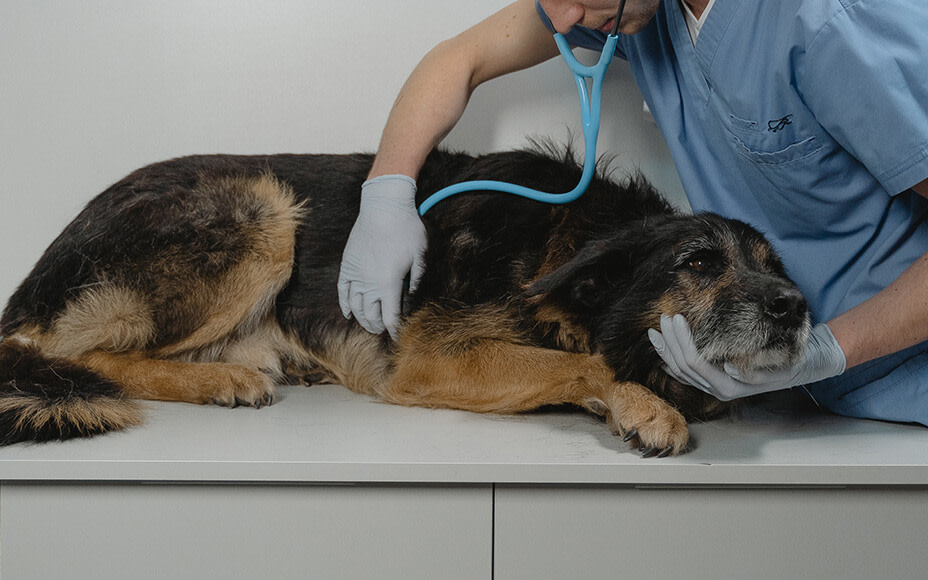
[TRANSLATION ERROR] Bei älteren Hunden und Welpen solltest du direkt zum Tierarzt fahren, wenn dein Hund Durchfall hat!
Loss of Appetite
A sudden loss of interest in food can indicate gastrointestinal problems. Some dogs can also be very picky. Here, you know your dog best, but in case of doubt, you should consult a veterinarian.
Abdominal Pain
→Abdominal pain in dogs typically manifests as restlessness, frequent pacing, and the "praying position" (dog stretches with its rear in the air). Also, refusal to eat, sensitivity to touch on the abdomen, and general unusual behaviors can indicate abdominal pain in dogs.
Weight Loss
In cases of acute intestinal discomfort, weight loss does not occur immediately. Chronic gastrointestinal problems can, however, lead to weight loss, which is why it is so important to act in a timely manner.
In general, we always recommend consulting your veterinarian if you are uncertain. Sometimes, a simple phone call is enough to ensure peace of mind.

Unser Nassfutter speziell für Hunde mit Verdauungsbeschwerden entwickelt
Verbessert nachweislich die Verdauung dank Postbiotika
Causes of Intestinal Problems in Dogs
The causes of gastrointestinal complaints in dogs are varied, but should definitely be identified. Only then can a suitable treatment be initiated and your dog be helped sustainably.
Common reasons for intestinal problems in dogs include:
- Poor diet: An →unbalanced diet or fast eating can lead to digestive disturbances.
- Infections: Bacterial, viral, or parasitic infections can cause gastrointestinal problems.
- Allergies and intolerances: Some dogs suffer from →food intolerances and react sensitively to certain foods, which can lead to gastrointestinal complaints.
- Pancreatitis: →Inflammation of the pancreas can lead to severe digestive problems.
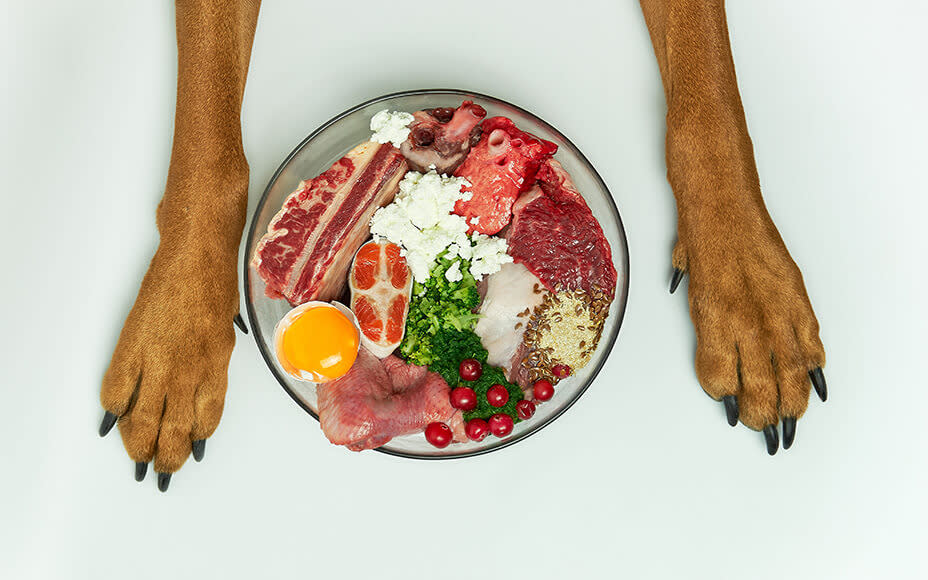
[TRANSLATION ERROR] Salat und anderes Gemüse sowie Obst können eine gesunde und leckere Ergänzung im Futter deines Hundes sein!
Treatment Options for Gastrointestinal Problems in Dogs
For persistent problems, a thorough examination by a veterinarian is essential. Only if the cause of the problem is found can a sustainable treatment be carried out. It is particularly important not to wait too long to prevent chronic intestinal problems in dogs.
In some cases, medication treatment may also be necessary to relieve symptoms or combat infections. Additionally, a restorative treatment of the intestinal flora through →pre-, pro-, or postbiotics can be beneficial. Both should always be done in conjunction with the veterinarian.
In most cases, a special diet is also recommended to relieve the gastrointestinal tract.

Bei Verdauungsproblemen, Blähungen & Co.
Unser Futter für Hunde mit sensibler Verdauung
Nutrition Tips for Regular Intestinal Problems
It is important to emphasize that for persistent gastrointestinal problems, a veterinarian should be consulted. The veterinarian can diagnose the exact cause and recommend an individual treatment strategy that also includes the dog's diet. A balanced diet and food with easily digestible ingredients play a crucial role in maintaining the health of the gastrointestinal tract and thus the overall health of the dog.
Common dietary recommendations from veterinarians include:
- Light, easily digestible food: Choose easily digestible food types that are gentle on the gastrointestinal tract.
- Feeding in small portions: Instead of large meals, feeding in small portions throughout the day can help.
- Avoiding food allergens: Identify potential allergens and avoid them in the dog's diet.
- Probiotics and postbiotics: Probiotic supplements can support the intestinal flora and improve digestion.