
Kidney Failure in Dogs
The kidneys, alongside the liver, are among the most important detoxification organs in the body. If they no longer function properly, waste products of metabolism and toxins are not fully excreted and accumulate in the body. Kidney failure in dogs is a serious condition that can affect both young and older dogs. Additionally, there are dog breeds with a genetic predisposition (e.g., Bernese Mountain Dog) that may be more prone to kidney failure.
It is important to note: Prevention is the best treatment, as regular check-ups with your veterinarian can lead to the early detection and treatment of the disease. By providing a →healthy and balanced diet with high-quality food, you pave the way for your four-legged friend to have a happy and long life. Healthy does not always have to be complicated: Whether dry food, wet food, or BARF - our food from Pets Deli is packed with high-quality meat, vegetables, and fruits as well as important vitamins, minerals, and oils. Sugar, grains, or artificial additives? Not here!
Unser Futter für Hunde: gesund, ehrlich, lecker.


Causes: What Causes Kidney Failure in Dogs?
The causes of kidney failure are very diverse, leading to damage to the kidney tissue in various ways. Possible causes may include:
- Kidney inflammation
- Obstruction of the urinary tract by kidney stones or tumors
- Poisoning from →toxic foods like grapes
- Kidney tumors
- Congenital diseases
- Secondary disease from an existing condition such as heart failure or diabetes

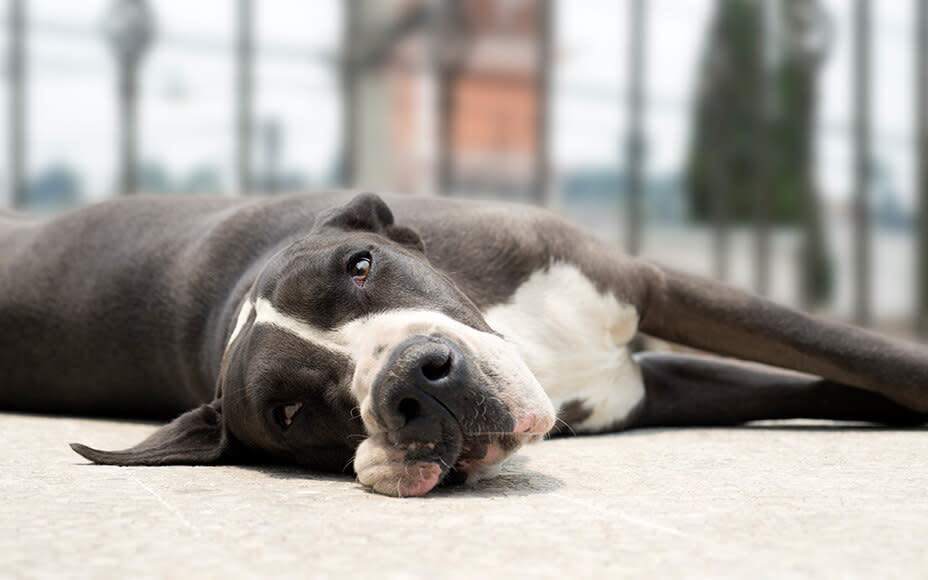
[TRANSLATION ERROR] Dein Hund wirkt ungewöhnlich ruhig, abgeschlagen und frisst schlecht? Dann ab zum Tierarzt! Je früher Krankheiten erkannt werden, desto besser sind die Heilungschancen.
Symptoms and Treatment of Acute Kidney Failure in Dogs
In acute kidney failure, there is a sudden deterioration of kidney function. The impairment of the kidneys can be of varying severity and may also be temporary. For example, mild kidney failure does affect kidney function, but the effects are not as significant as in true kidney failure. This often leads to the retention of waste, toxic substances in the body (urea, creatinine, etc.), as the filtering function of the kidneys usually no longer works properly. Consequently, damage to other organs in the body can occur.
Symptoms of Acute Kidney Failure
The symptoms of acute kidney damage include:
- →Vomiting
- Loss of appetite
- Apathy
- Cramps
- Little to no urination or suddenly frequent urination
If your dog is already suffering from a chronic illness, is under a lot of stress, or may have ingested something toxic, you should promptly visit an animal clinic if one or more of these symptoms occur. To avoid more severe complications and to help your beloved pet feel better quickly, veterinarians will typically begin treatment immediately.
Diagnosis and Treatment of Acute Kidney Failure
In the animal clinic, alongside a physical examination, a blood and urine analysis will be conducted. This will reveal typical changes in the blood and possible indications of the cause of kidney damage. Usually, X-rays and ultrasound examinations are also performed to assess the current condition of the kidneys and identify possible triggers for the kidney damage.
Ideally, the examinations will uncover the main cause of the acute kidney failure so that your beloved pet can be treated as accurately as possible. If it is a bacterial infection, it will be treated with a suitable kidney-friendly antibiotic. If kidney stones obstruct the urinary tract, they must be surgically removed once your pet's condition is stable. In parallel, the excretion of toxins will be accelerated and the concentration of toxins in the body may be diluted.
The good news is: If acute kidney failure is detected and treated in time, it can fully heal. You can also support your pet's recovery with a (temporarily) adjusted diet by feeding a special kidney-friendly food.
Behandlungsbegleitend an eurer Seite: Pets Deli VET


Symptoms and Treatment of Chronic Kidney Failure in Dogs
If there is a kidney damage that remains undetected or untreated, the main functions of the affected kidney or kidneys will continue to deteriorate, leading to secondary diseases and impairments of other organs and systems in your dog's body over time.
Common consequences of chronic kidney failure in dogs include:
- The retention of waste, toxic substances in the body, as the filtering function of the kidneys is impaired. Instead, urea is excreted through the stomach and oral mucosa, causing a urine-like breath odor and gastric mucosal inflammation.
- A limitation of the hormonal activity of the kidney, which in turn reduces the production of red blood cells, potentially leading to anemia.
- Increased urination can flush nutrients from the body, leading to nutrient deficiencies.
- An overproduction of blood pressure-regulating hormones, which can trigger kidney-related hypertension (renal hypertension).
- Fewer precursors of vitamin D are processed, which can lead to a vitamin D deficiency.
Symptoms of Chronic Kidney Failure
Chronic kidney failure unfortunately remains undetected for a long time, as the externally visible symptoms usually only appear very late or are only visible in exceptional situations, e.g., when your dog is very stressed or exerted. Depending on the progression of the disease, various symptoms may occur with varying severity:
- Increased drinking
- Increased urination
- Sudden nighttime incontinence
- Nausea, vomiting
- Loss of appetite
- Fatigue
- Pale mucous membranes (e.g., in the mouth)
- →Dull coat
- →Bad breath, changes in the gums
- In advanced stages, trembling, epileptic seizures
If chronic kidney failure remains untreated, it can become life-threatening. If you notice behavioral changes in your beloved pet, it is better to have them checked by veterinarians one more time. If treatment is initiated in time, dogs with chronic kidney failure can still live well and long.

[TRANSLATION ERROR] Dein Hund zeigt ungewöhnliches Verhalten? In der Praxis wird er einmal genau durchgecheckt und eine passende Behandlung eingeleitet.
Diagnosis and Treatment of Chronic Kidney Failure
In practice, the treating veterinarians will take a closer look at your four-legged friend. In addition to a physical examination, a complete blood count will be performed, and a urine check will be conducted. If necessary, X-rays or ultrasounds may be required to obtain a current picture of the kidneys and other organs as well as bone substances and to draw conclusions about possible causes. It will also be ruled out that it is not "just" acute kidney failure.
Since the disease often remains undetected for so long, your dog must first be brought into a stable condition. This may require infusions for electrolyte balance and to flush out toxins, as well as the administration of medications for symptoms such as vomiting and pain.
Since chronic kidney failure cannot be cured, as the damaged kidney tissue unfortunately cannot be "repaired," a therapy will aim to slow the progression of the disease and thus ensure your beloved pet has the best possible quality of life.
The therapy consists of 3 essential points:
1. Constant access to fresh water and adequate fluid intake (even in cases of incontinence).
2. Regular intake of kidney-friendly medications and regular check-ups by veterinarians.
3. A special kidney diet with highly digestible protein from high-quality protein sources and low phosphate.
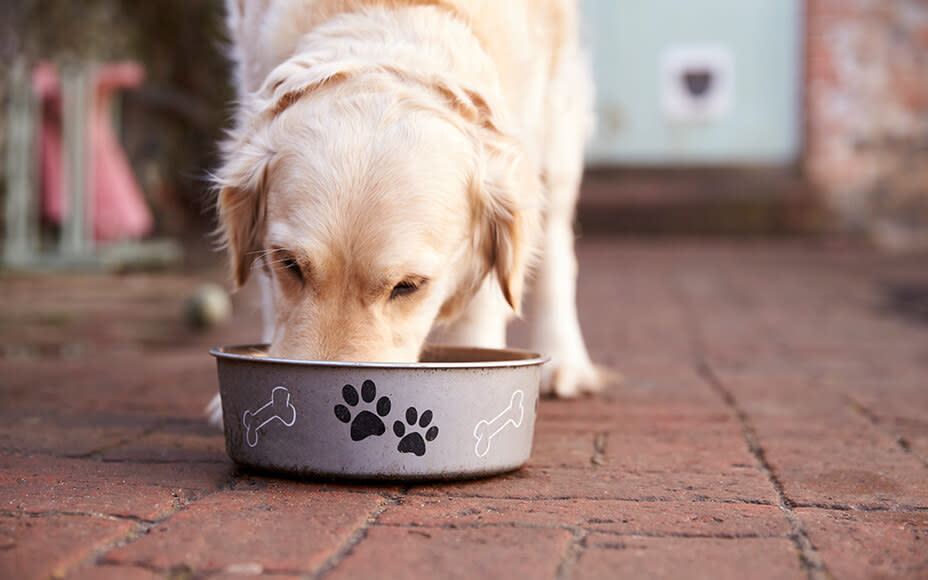
[TRANSLATION ERROR] Eine nierenschonende Diät ist Teil der Therapie einer (chronischen) Niereninsuffizienz bei Hunden. Besprich dich dazu mit den behandelnden Tierärzt*innen.
The Right Nutrition for Kidney Failure
If your dog suffers from chronic kidney disease, you can relieve the already damaged kidneys and thus significantly support your pet's well-being by switching to a special kidney diet, such as by feeding our →"Vet" Liver & Kidney Fit. Even if you want to help your beloved pet as quickly as possible, you should pay attention to a →slow transition to the new special kidney diet food.
Some dogs suffer from nausea and loss of appetite due to the chronic condition. To make the food more palatable, you can warm it up a bit and offer smaller portions several times a day. Some dogs also prefer home-cooked food. After consultation with nutrition experts, you can also take the cooking spoon into your own hands for your sick pet and stimulate their appetite again.
Furthermore, you should ensure adequate fluid intake and have regular check-ups by veterinarians.
What is the Life Expectancy of a Dog with Chronic Kidney Failure?
The good news is: Even though the disease is not curable, your dog can lead a long and beautiful life with individual treatment and adjusted nutrition. Acute episodes are unfortunately always possible, but the earlier they are recognized and treated, and the more consistently the overall therapy is followed, the more comfortable your beloved pet will be.