Teething in Dogs - How to Help Your Four-Legged Friend
If your floor is suddenly adorned with rice grain-sized white chunks, one thing is certain: Your puppy's teething is just around the corner. Where there were previously 28 teeth, soon 42 new little chompers will shine in all their glory - and your furry friend will hopefully keep them for a lifetime. Before your puppy snatches your favorite leather shoe and uses it as their chosen chew bone, you can prepare yourself with our teething tips.
Symptoms: How to Recognize Teething in Dogs?
When your puppy's first teeth bid farewell and make room for new ones, it is often accompanied by pain and pressure for your puppy. This results in the following symptoms that may indicate teething:
- frequent and intense chewing
- sleep disturbances
- avoidance of hard snacks and dry food
- fever
- restlessness
- weight loss
- →diarrhea (rare)
If your puppy is suddenly nibbling on everything and doesn't shy away from clothes or furniture, this is a common sign of teething. For the itchy and painful spots in their mouth, dogs primarily choose cool objects to alleviate the pain.
When Does Teething Start in Puppies and When Is It Completed?
During the various →developmental phases in dogs, teething typically begins around the 16th week. In the so-called juvenile phase, which transitions into the adolescent phase between the 6th and 12th month with the onset of sexual maturity, your four-legged friend will test their boundaries. While they start to chew and bite more during teething, you should begin with the →training against biting hands in a timely manner.
Teething is completed when all 42 new teeth have erupted and grown in, which occurs at about 6 months. If your furry friend still has baby teeth by then, you can check with a veterinary practice to see if this is normal for your dog's developmental stage.

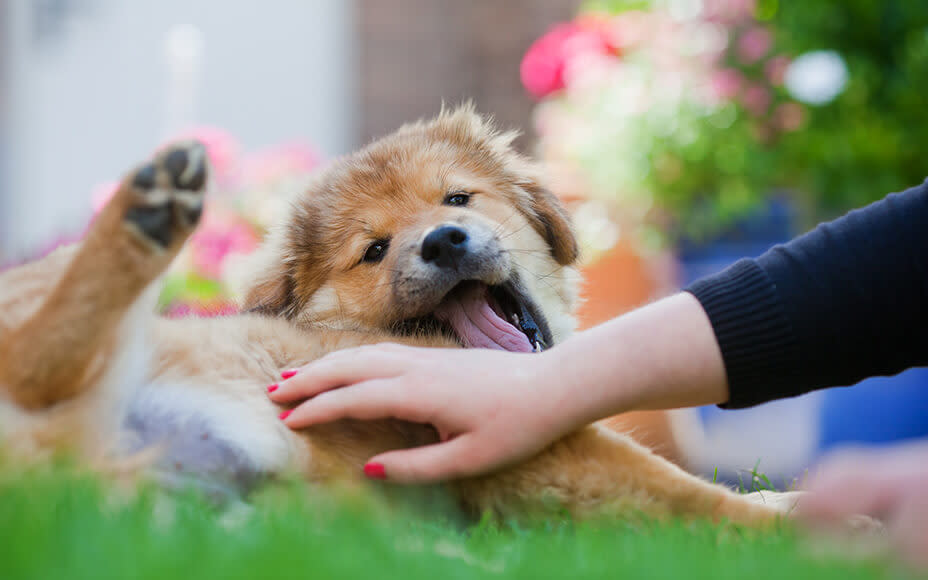
[TRANSLATION ERROR] Ab der 16. Woche beginnen die meisten Welpen damit, alles anzuknabbern, was ihnen vor die Nase kommt. Mit etwa 6 Monaten ist der Zahnwechsel beendet.
Supporting Teething with 5 Simple Tips
Tooth pain as a →common ailment in puppyhood is uncomfortable - and unlike us humans, your puppy can't just go to the dentist, so they try to help themselves through chewing and gnawing. This can lead to objects being destroyed and even the occasional finger being injured. When you respond with appropriate training measures, remember that your puppy doesn't want to hurt you or is being malicious, and you shouldn't scold them. With these 5 tips, you can help your dog during teething:
1. Soak Dry Food or Feed Wet Food
In the first 12 months, your puppy relies on appropriate junior food. As part of →healthy puppy nutrition, you should choose food that optimally supports your puppy's growth with a higher content of minerals and proteins. Soft wet food makes it easier for your dog to eat, as especially hard food is difficult to chew during the short teething period. For snacks, you can opt for soft treats, such as our →Softies for Juniors. With our junior food, you are on the healthy and safe side: maximum taste pleasure combined with a special and tailored recipe.
Gesund ab dem ersten Tag: Unser Juniorfutter für deinen Welpen
2. Provide Chewing Options
You cannot and should not forbid your puppy from chewing during this phase. To ensure your home doesn't need a complete renovation after teething, you can offer your puppy suitable chew toys. Whether a →flexible chew bone to fill with soft snacks or other chew toys - this way, your puppy can find relief in a species-appropriate and safe manner. You should avoid playing with tug toys, as they can accidentally pull out loose teeth and cause pain. If your furry friend has no issues with harder snacks, you can also offer them delicious chew sticks or crunchy dental bones:
Knackige Kausnacks für den Zahnwechsel
3. Cool Toys or Food
Before offering your four-legged friend →toys or snacks, you can cool them down for maximum relief effect. Special cooling rings can be purchased similarly to those for babies and stay cold for a long time. The cold can help reduce swelling and pain.
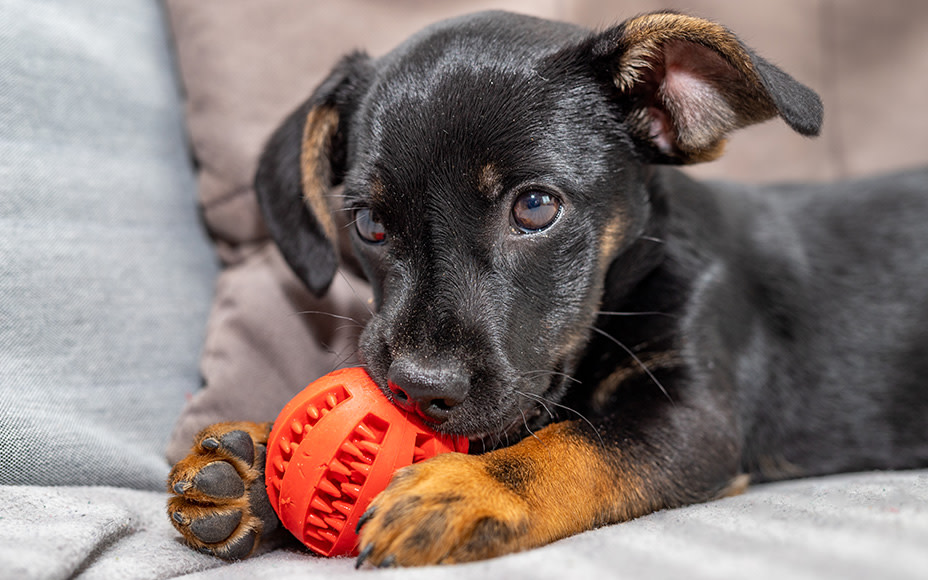
[TRANSLATION ERROR] Knochen oder Bälle aus Gummi bieten durch ihre Elastik eine gute Gelegenheit, um den Juckreiz beim Zahnwechsel zu stillen.
4. Calcium is Key
→Calcium must not be missing from a tooth-healthy diet and is important for the growth and →maintenance of healthy teeth. Since your young furry friend meets their daily needs through junior food, it usually contains everything your puppy needs. If you are unsure about adequate mineral supply, you can ask your veterinarian. Under no circumstances should you give your puppy dietary supplements - the dosages for dogs differ greatly from ours and can cause harm!
5. Do Not Remove Non-Falling Teeth
Teething does not always go smoothly. So what if a few teeth just won't come out of the jaw? In this case, the baby teeth can be removed at the practice. Again, the rule applies: self-treatment is not advisable. Please do not attempt to remove loose teeth from the mouth, as wounds can become infected and your dog may experience even more pain than they already have.
After Teething: Dental Health for a Lifetime
Once teething is completed at 6 months, the →dental care of your dog is also in your hands. In addition to giving →dental snacks, you can also regularly brush your dog's teeth. Ideally, you should teach them this from a young age so that the procedure is not new for your furry friend. By regularly checking their mouth, you can also look out for issues like →gum inflammation. With a special toothbrush and toothpaste for dogs, you can keep their teeth as free from →tartar as possible.**

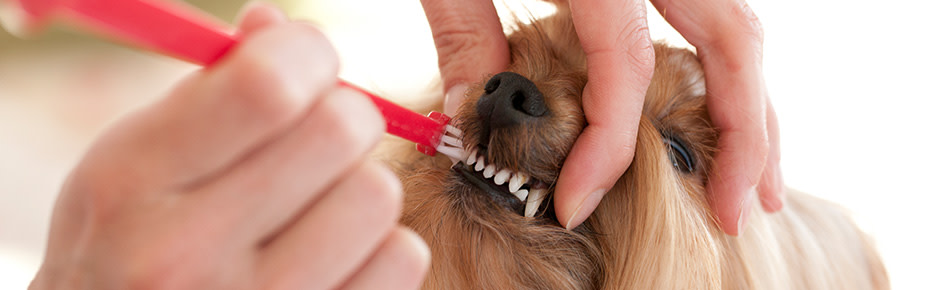
[TRANSLATION ERROR] Beim Zähneputzen können dank Fingerlingen oder kleinen Zahnbürsten Beläge entfernt werden.
Another plus: Fresh breath! Your four-legged friend can not only enjoy life with healthy teeth, but also greet you in the morning from the other side of the bed with an extra fresh breath. Win-win!