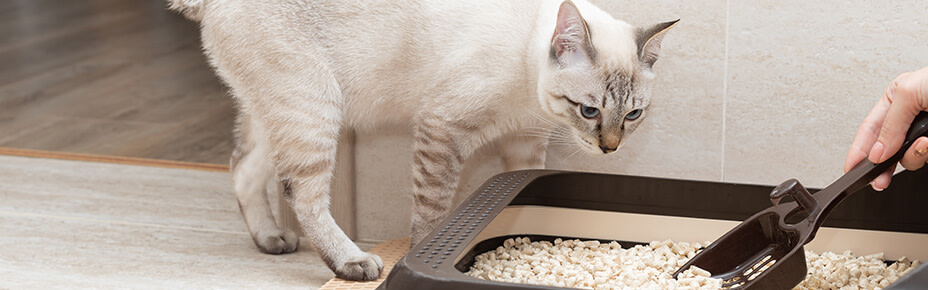
How to train your cat to be litter trained
Most of the time, the furry friends are still a bit shy at first and cautiously explore their new home. However, it is best to start the toilet training right when your cat moves in. But how do you train your cat best so that it uses its toilet? With our tips, your furry friend will surely be litter trained soon!
When do cats learn to use the litter box?
Young cats learn to use a litter box already in their parental home. The search for material that can be scratched away, like in a litter box, happens intuitively, and even small kittens adopt the toilet. The mother cat guides her kittens from the age of 6 to 8 weeks by accompanying them towards the litter box and thus pointing to the place that is to be used for business.
If an already adult cat moves in with you, you need to show her where the litter box is and praise her when she uses it. →With the help of a clicker and tasty treats, you are well equipped for toilet training.
Which litter box do cats prefer? The right litter box
Before a →cat moves in, you need to buy the litter box. When choosing, pay particular attention to the appropriate size. Your furry friend needs enough space to comfortably do her business in the toilet and scratch a bit. Often, litter boxes are unintentionally bought too small. A rule of thumb states that the litter box should be at least 1.5 times as long as your cat. Opinions on the type of litter box vary greatly among cats. Therefore, it must be individually tested which litter box is accepted. There are ones with or without a hood as well as toilets with or without a flap.
You should also ensure that the litter box is easily accessible and consider whether you should possibly set up multiple toilets for your indoor tiger. The same applies if you have multiple cats or if you bring home a →kitten later.

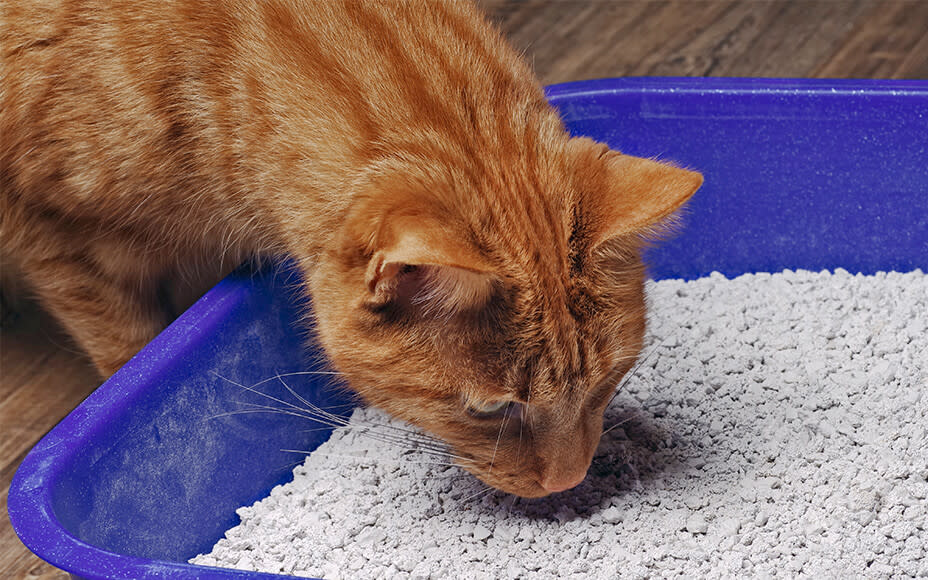
[TRANSLATION ERROR] So verschieden die Katzen, so variabel sind auch die Vorlieben bei einer Katzentoilette. Manche Katzen präferieren eine geschlossene Box, andere fühlen sich wohl, wenn das Klo keinen Deckel hat.
Choose cat litter that your furry friend likes
Cat litter also plays a very important role in litter training. Only if your four-legged friend likes it will he do his business there. But how do you know what your cat likes and what she doesn’t? Usually, the only way is to try it out.
Which cat litter is the best? Clumping litter for easy cleaning
As the name suggests, clumping litter forms small clumps when it comes into contact with moisture. This has the advantage that the litter box can be cleaned quickly and easily. After your cat has done her business, you only need to remove the clumps from the toilet and add new litter. The downside: It often consists of dusty clay that is not biodegradable.
Dust-free & biodegradable: Eco cat litter
The →Kit Cat SOYACLUMP Eco cat litter is an environmentally friendly choice for cat owners who value sustainability. Made from soybean shells, it is 100% biodegradable and can be easily composted. Its excellent clumping ability makes cleaning the litter box easier, while the effective odor control ensures a pleasant room climate.
Saubere Sache: 100% biologisch abbaubar, zuverlässig klumpend und geruchsbindend
Where should the litter box be placed? The right spot for the litter box
When it comes to the location of the toilet, it is also important to pay attention to a few things. Cats prefer a quiet place to do their business. At the same time, it must also be always accessible and as far away from the food bowl as possible. If you place the litter box in the bathroom, make sure that the door is always open.
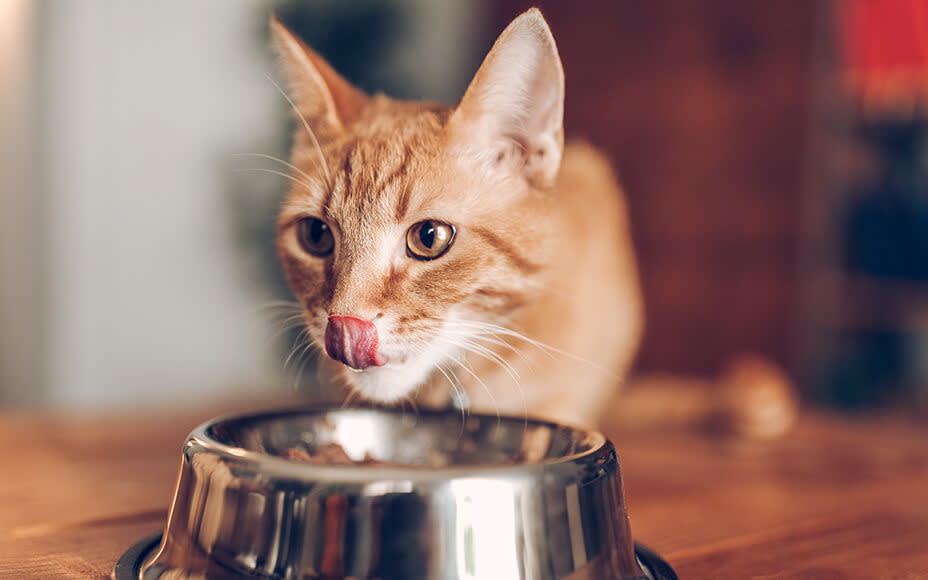
[TRANSLATION ERROR] Wo geschlemmt wird, hat eine Katzentoilette nichts zu suchen. Katzen mögen es nicht, ihr Geschäft dort zu verrichten, wo auch ihr Napf ist. Wähle daher weit entfernte Plätze.
Regular cleaning of the toilet
Since cats are very clean animals, you should clean the litter box daily and remove any soiled clumps. It is also advisable to completely change the entire litter once a week. Wipe the litter box with a damp cloth or rinse it thoroughly. Especially with small kittens, there may occasionally be some accidents.
Training for cats: How to get her to accept the toilet
As soon as your furry friend has arrived home, show her as quickly as possible where the litter box is. Observe your darling a bit at first, because as soon as your cat does her business in the box for the first time, you should reward her. Older cats usually have a stronger cleaning instinct and often accept the toilet very quickly on their own. But even here, it may sometimes require a bit of →training. If you have a small kitten, place it in the litter box several times a day, especially right in the morning after waking up and after each meal.
Important: Leave your cat alone during her toilet visit. You certainly wouldn’t like to be watched by others while doing your business.
Does your cat use the toilet? Reward her after using it and convey to her that this behavior is desired. Use healthy treats without grains, sugar, and artificial additives.
Leckere Katzen-Snacks fürs Training oder zwischendurch
Multiple toilets for sick animals or senior cats
If your indoor tiger is a bit older or is feeling unwell, he may not be able to get to the litter box as easily. If you notice that accidents happen more often, don’t be angry, but simply provide 1 to 2 more toilets. Also, conditions like arthritis make it difficult for your cat to jump into a litter box with high edges. Therefore, it’s better to use models with a low entrance.
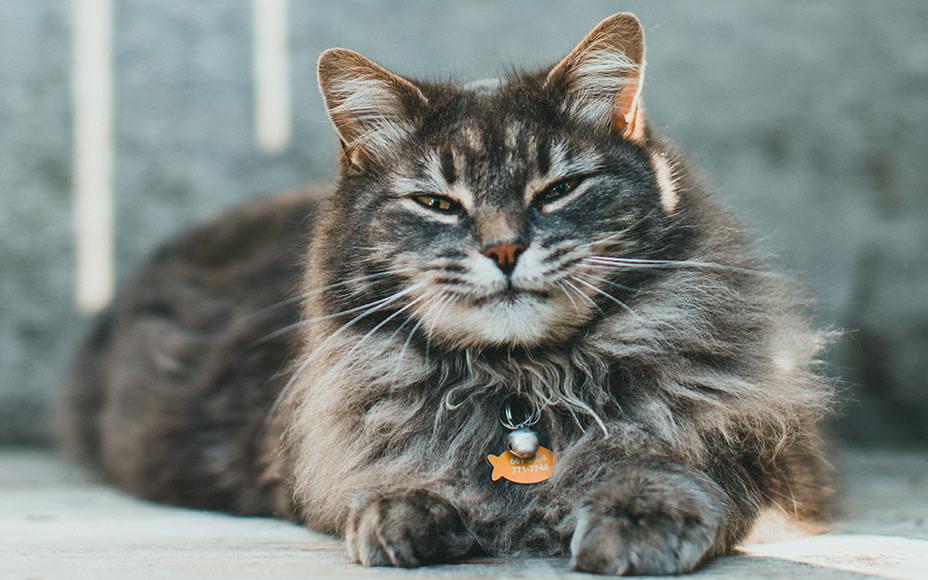
Insbesondere ältere Stubentiger sind nicht mehr so agil, wenn es um Bewegung geht - ihr Sinn für Sauberkeit bleibt jedoch erhalten. Um die Wege zur Toilette zu verringern, kannst du zwei oder mehr Toiletten aufstellen und deine Katze so unterstützen.
What to do if the cat doesn’t use the litter box?
Regardless of age, you should always consult a veterinarian if your cat suddenly becomes unclean. While there may not be a health problem, it’s better to have your beloved pet checked out once too often than too little. Also, stress or other factors can be the reason for the general rejection of the litter box or sudden uncleanliness. Has a new four-legged friend moved in with you? Have you moved? Have you changed the location of the toilet? All of these can be additional causes. If you have two cats, you should also have a separate toilet for each cat.