
Roundworms in Cats: Infection, Symptoms, and Treatment
Worms, alongside →fleas, →ticks, and →mites, are among the most common parasites. Especially kittens and young cats carry the roundworm, which makes up the largest part in the category of worms. If your four-legged friend has a rumbling stomach, experiences recurring digestive issues, and particularly if your kitten appears unwell, it may be that a roundworm is at work. Especially in young cats, these pesky parasites can have life-threatening effects, which is why timely action is required.
What are Roundworms in Cats?
The roundworm in cats (Toxocara mystax or Toxocara cati) is a nematode (Nematoda) part of the endothermic parasites. Unlike ectothermic parasites like ticks, fleas, and mites, it infests internal areas of the body - primarily the intestines. Thus, it behaves similarly to the →tapeworm in cats. With a length of up to 18 cm, they spread through their extremely resilient eggs, which can be found wherever outdoor cats roam. Each day, female worms lay about 200,000 eggs, from which the larvae hatch later.
How Can My Cat Get Infected with Roundworms?
Any cat that has outdoor access is at risk of getting infected with roundworms. Infection occurs through your cat's mouth when it sniffs, licks, or eats things that are contaminated. Sources of risk include feces, animal carcasses, carrion, and even soil. For cats, the main source of roundworms is caught mice. However, indoor cats are not necessarily safe from roundworms either: →Raw meat like minced meat poses a risk, as does the introduction of eggs via shoes.
Once your four-legged friend has ingested the eggs, the development of the larvae begins in the intestines. Notably, the parasite does not necessarily remain in the intestines, as it can migrate through your cat's vessels to other body parts like the lungs and muscles. Sounds gross? It is - especially for your furry friend. Often, part of the larvae encapsulates in organs and can be activated even after years. This is particularly common in [→pregnant cats](/magazin/katzen/katze-gesundheit/traechtigkeit-bei-katzen-anzeichen-verlauf-und-dauer), as their kittens are usually directly infected, which is why young cats often suffer from worm infestations.

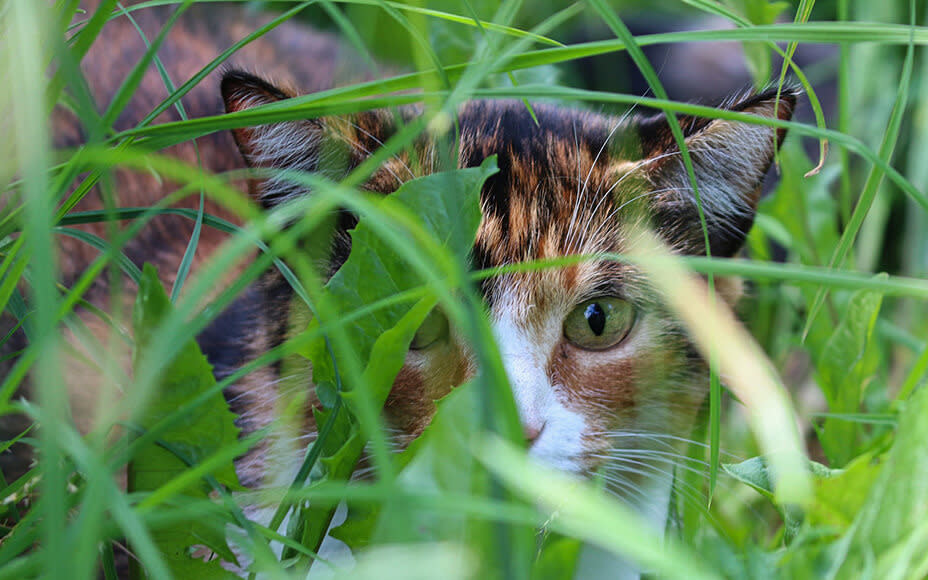
[TRANSLATION ERROR] Schnüffeln, schlecken, fressen: Beim Spaziergang können Spulwürmer übertragen werden, indem die Eier über das Maul in den Darm gelangen.
Symptoms: How to Recognize Roundworms
Adult cats typically show no symptoms when they become infected with roundworms. Here, the roundworm is more of a chance finding than an infection that is specifically sought after. In →kittens, however, a massive infestation with pronounced symptoms can occur, such as:
- →Diarrhea
- →Digestive problems
- Vomiting
- Abdominal pain
- →Loss of appetite
- Bloated abdomen
- Weight loss
- Worms in feces or vomit
- →Dull coat and hair loss
- Delayed growth
- Lethargy
- Fatigue
Especially if your young cat is vomiting or coughing a lot, you may see white threads in the vomit that look like spaghetti. This is a clear indication of a roundworm infestation, and it means for you: Off to the vet, and quickly!
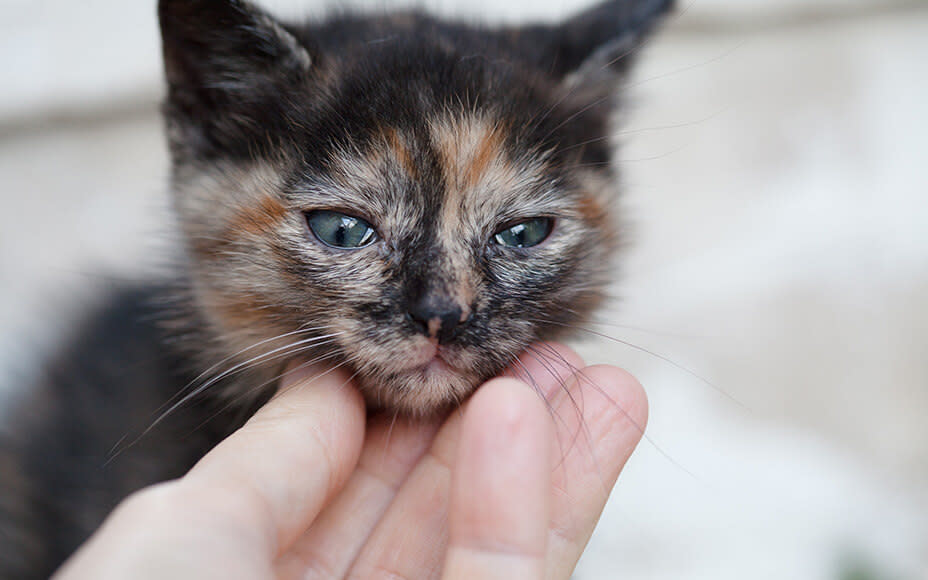
[TRANSLATION ERROR] Insbesondere junge Katzen und Kitten zeigen teils starke Symptome bei einem Befall durch Spulwürmer. Neben Durchfall, Erbrechen und Husten zählt Müdigkeit zu häufigen Symptomen.
Diagnosis and Treatment of Roundworms in Cats
In addition to burdensome digestive issues, roundworms can also lead to increased susceptibility to infections and even weaken the effectiveness of vaccinations. This is particularly dangerous when →your young cat is to be vaccinated and there is insufficient protection against diseases. Here, the entire immune system is affected, and a quick diagnosis with treatment is important if your cat has been infected with the parasites.
For this, the →veterinarian examines the collected feces of your cat. Samples from three days are necessary to reliably determine whether worms are present. If your four-legged friend coughs or vomits, a sample is also helpful, which is examined under the microscope for further details.

[TRANSLATION ERROR] Bei der Diagnose von Spulwürmern bei Katzen erfolgt neben einer Untersuchung auch die Analyse vom Kot oder Erbrochenem. So kann sicher festgestellt werden, ob deine Katze sich angesteckt hat.
What Does the Cat Roundworm Therapy Look Like?
Once the diagnosis is made, a deworming medication is sufficient, which is given to your cat. Usually, these are (chewable) tablets, rarely creams or pastes, administered orally. Typically, this therapy works well, but in cases of severe infestation, additional medications or infusions and injections may be needed. You see: As frightening as the "spaghetti worm" may be for your cat, veterinarians can quickly eliminate the parasite.
Most cats are not fans of swallowing the small pills easily. But how do you ensure that your cat eats the tablet? A bit of persuasion is necessary - how convenient that our Pets Deli cream snack is a highly appreciated assistant when it comes to getting your cat to take medication.

[TRANSLATION ERROR] Cremig, schmackhaft und der perfekte Snack für Zwischendurch, zum Verabreichen von Medikamenten oder beim Training.
How to Prevent Roundworms in Cats
The key to preventing roundworms in cats is regular deworming - especially if your cat has outdoor access. It is not possible to completely avoid the parasites, but deworming allows for the early elimination of any worms in your cat. The medications are typically free of side effects and very well tolerated by four-legged friends.
Many owners forgo the regular administration of "worm treatments" and have their beloved pets' feces regularly tested for worms. This way, quick action can be taken in case of an infestation, and medications are only administered when an infestation is present.
Can Roundworms Be Transmitted to Humans?
Yes - which is why it is important to maintain impeccable hygiene, wash hands thoroughly, and frequently clean the litter box in case of an infestation in your cat. For children, public sandboxes also pose a danger. An infection rarely shows symptoms, but immunocompromised individuals can develop symptoms ranging from headaches to allergies to eye and liver damage. Regular deworming is also recommended for indoor cats if individuals with relevant pre-existing conditions live in the household.