Can you feed pineapple to dogs?
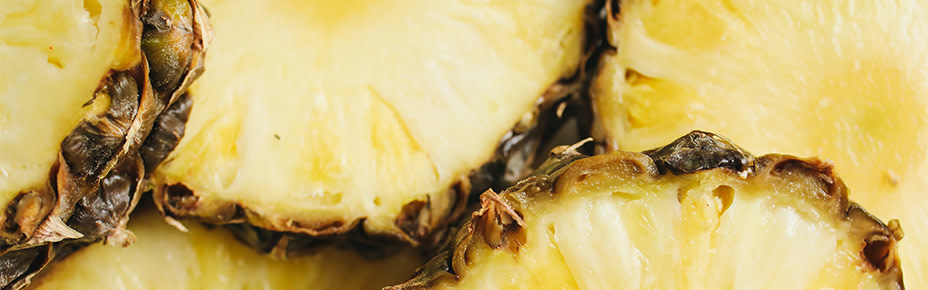
Pineapple is the queen among tropical fruits, after all, it wears its crown of green leaves upright and proudly. But its inner values are also impressive, as pineapple is rich in vitamin C, potassium, and numerous trace elements such as manganese, copper, and zinc. The sweet flesh of pineapple can also be fed to our dogs in moderation, providing a particularly tasty change in their bowl.

[TRANSLATION ERROR] Viele tropische Obstsorten sind nicht genießbar für Hunde, Ananas allerdings kann gern gefüttert werden!
How to properly prepare and feed pineapple
Just like for us humans, when feeding pineapple to your dog, it is ideal to choose organic fruits and peel them before consumption. The hard core (the center of the fruit) is generally edible, but it tastes not so good to many people and dogs alike. However, you can certainly offer it to your four-legged friend.
Cut the ripe flesh of the pineapple into small pieces and feed 1-3 pieces to your dog depending on their size and weight. Some dogs love sweet fruits, while others may just wrinkle their noses at it and be done with it. In such cases, you can puree the fruit and mix it into their food. If your dog doesn’t want to eat pineapple at all, that’s perfectly fine, as luckily there are many other fruit and →vegetable varieties that dogs enjoy.
To add a bit of summer feeling to your dog's bowl, you can also use other tropical fruits like →mango, →bananas, or →oranges. You can find delicious mango in our →wet food turkey with millet and cottage cheese. Take a look through our assortment!
Mach deinem Hund eine Dose Freude auf!
What to consider when feeding pineapple
Note that the skin and leaves of the pineapple are not edible. Your dog will not directly suffer a →poisoning if they accidentally eat the skin and leaves, but it can lead to →stomach aches and [→vomiting](/magazin/hunde/hunde-gesundheit/6-haeufige-ursachen-fuer-erbrechen-beim-hund). Nevertheless, you should take a closer look at the skin of the tropical fruit, because: The more pronounced the scales are, the more flavorful and aromatic the fruit is.
Always feed only 1-3 pieces of pineapple, as the fruit, in addition to all its healthy nutrients, also contains relatively high potassium, which, when consumed excessively, can lead to an increase in the pH level of the urine and thereby increase the risk of struvite stone formation. Too much pineapple can also cause unpleasant →flatulence in your four-legged friend. So before you have to hold your breath for hours, it’s better to only feed a few pieces of the yellow fruit.

[TRANSLATION ERROR] Neben viel leckerem Fleisch und knackigem Gemüse gehört auch Obst zu einer gesunden und artgerechten Ernährung deines Vierbeiners
Caution, acidity!
Note that pineapple contains a lot of acid. You might know from your own experience that if you eat too much pineapple, your mouth and lips can start to burn or feel fuzzy. This is due to the acid in the pineapple. As healthy as the tropical fruit is, it should be fed in moderation. Otherwise, you might quickly face →diarrhea, vomiting, or other gastrointestinal issues.
If your dog has indulged in a large amount of pineapple, you don’t need to worry. Too much pineapple is not toxic, but as mentioned, it can lead to diarrhea or vomiting. Monitor your four-legged friend for a while, and if they don’t feel better, it’s best to call the veterinarian.
Which fruits should I not feed my dog?
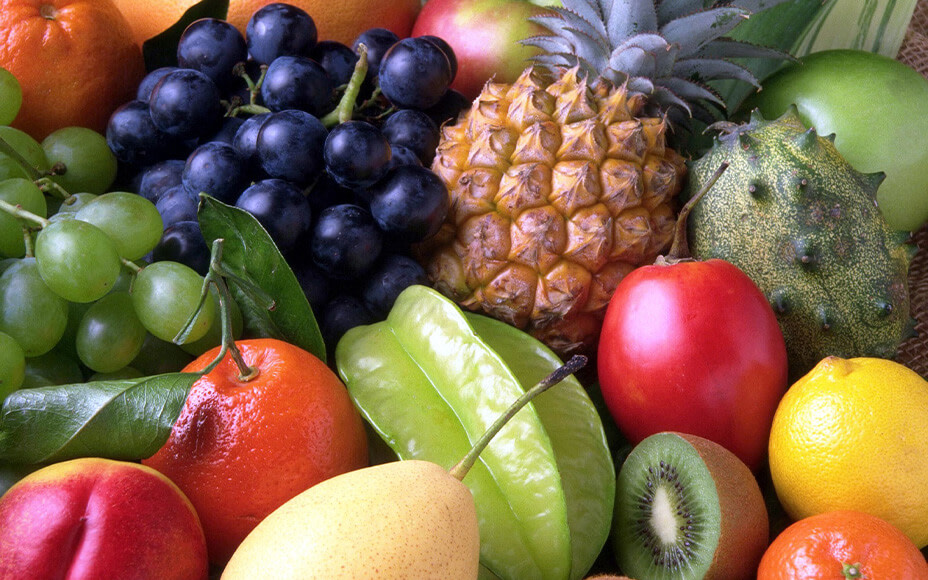
Just because a fruit is very healthy for us humans, if not even labeled as a superfood, doesn’t mean it’s the same for your dog. Therefore, you should avoid feeding →avocados, elderberries, quinces, starfruit, and grapes. While the latter is not necessarily toxic, some dogs tolerate the feeding of →grapes quite well. But why take a risk when there are so many other delicious and healthy fruit varieties and →snacks for dogs?