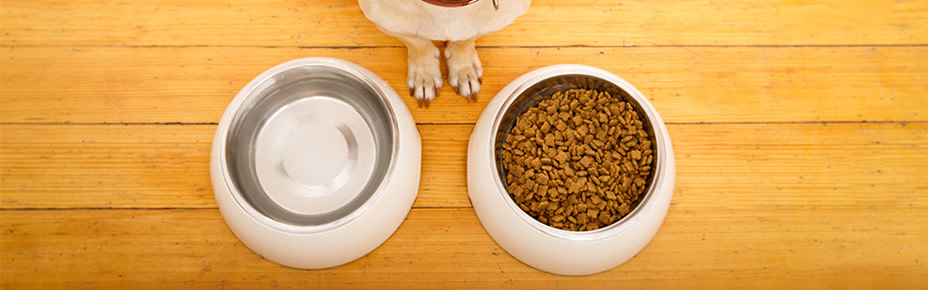
Help! My dog is not eating anymore - Food acceptance in dogs
Is your dog recently refusing to eat? Food refusal and →loss of appetite in dogs or puppies can be attributed to various factors:
- A changed health condition
- Possible behavioral problems
- The food you are offering.
So much in advance: Dogs can naturally go without food for a longer time without any issues, as long as they are otherwise healthy. If their loss of appetite is due to their behavior, a dog is usually still willing to eat something - especially new food or treats.
However, to properly address a dog's loss of appetite, you need to know where it comes from. That's why we've put together a guide to the most common causes of reduced food intake and complete food refusal in dogs and tips.
Do you want to →feed your dog healthily while also providing the best taste experience for your four-legged friend? At Pets Deli, we use only high-quality ingredients - you won't find sugar, grains, or artificial additives here!

Dein Hund ist ein schlechter Esser?
Entdecke unser Futter speziell für wählerische und mäkelige Hunde
Causes of food refusal - why won't my dog eat?
High expectations
Dogs are not born picky - they learn to be picky. This is most common in smaller dog breeds that have been offered a variety of foods. If your dog refuses their food once and you immediately offer them another variety, they remember that and become increasingly picky.
Additional offers like treats can provide the dog with a higher number of calories than the owner is aware of, making your dog feel less hungry and able to easily forgo other foods. It is also important to note that dogs who receive table scraps and leftovers often become even pickier.
The same applies to dogs that are not fed on a schedule - four-legged friends that learn to be fed at certain times are much more likely to eat than those who are unsure when they will be fed next.

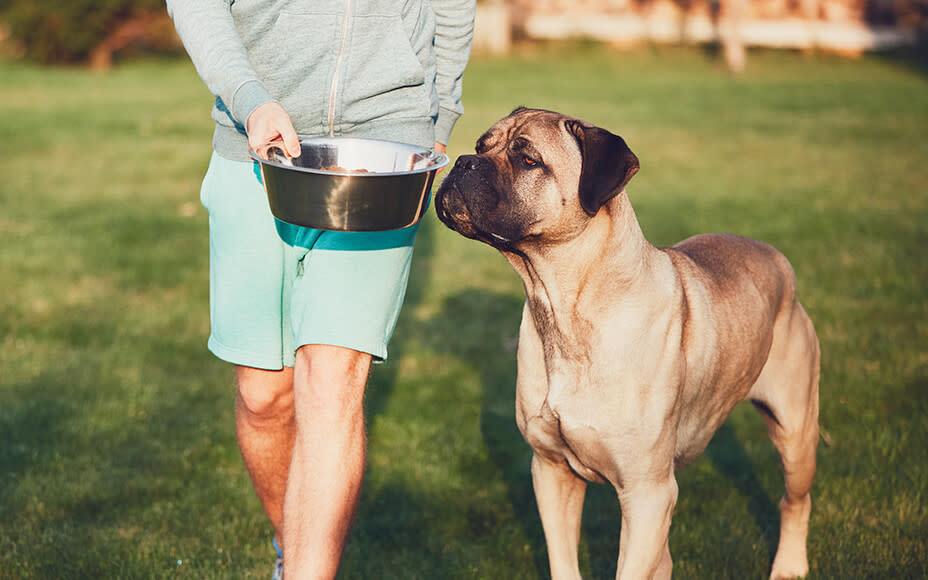
[TRANSLATION ERROR] Ein Futter, nachdem sich unser Hund sein Schnäuzchen leckt - das wünschen wir uns doch alle! Hier lohnt es sich, auf hochwertige Futtermittel zurückzugreifen.
Poor quality of food
What can also cause a dog not to eat is poor quality of the food. In terms of →species-appropriate and healthy nutrition for dogs, quality plays the most important role. The following problems occur with poor quality:
- Food that has gone rancid: Some dogs recognize and refuse food that is rancid. This can happen when the fats contained have deteriorated due to poor storage or the age of the product.
- High-fiber foods: High-fiber foods are less palatable to dogs than foods with a lower fiber content. In particular, cheap dog foods often contain a high proportion of →grains, which fill them up but simply do not stimulate appetite.
- Previous contact with fresh, preserved, or raw diets: Dogs may avoid regular dog food after enjoying fresh, preserved, or raw foods like →BARF. These are richer in flavors due to their additional moisture, which dogs respond strongly to.
How do I know if it is due to poor quality of the food? If you offer your dog a new portion of their usual food and they eat it immediately, it may be that the previous portion was not good. Of course, a lack of quality can also be noticed by a changed consistency, a foul smell of the food, or a look at the ingredient list. Are there animal by-products listed without precise breakdown?
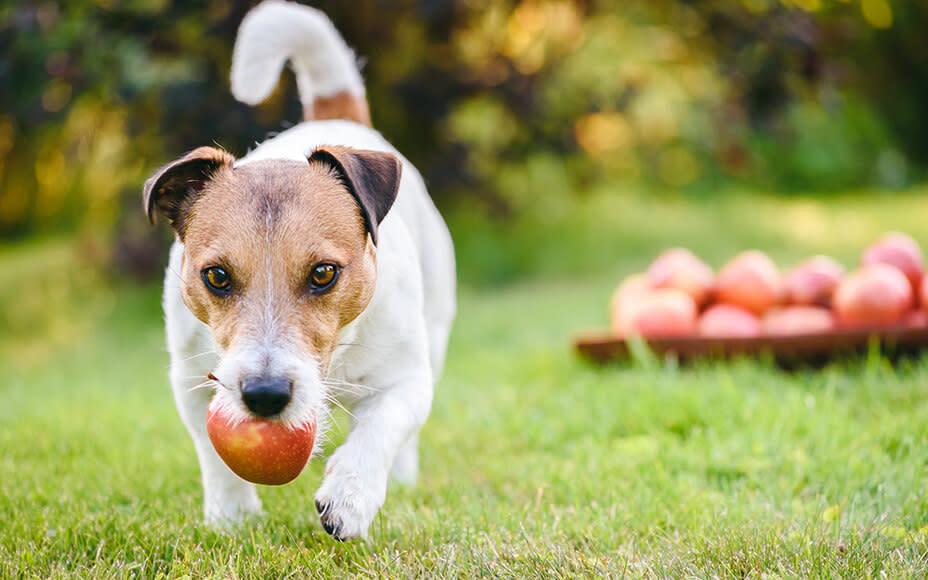
Ein artgerechtes Futter sollte aus einer gut verwertbaren Eiweißquelle bestehen sowie frischem Gemüse und Obst - verfeinernde Kräuter und Öle spenden Mineralstoffe und wichtige Fettsäuren.
Boredom in the bowl?
Could it be that my dog is simply bored with their current food? Most likely not.
This seems very unusual without another factor, such as the introduction of new food or treats. Many dogs are content to eat the same food as long as it is offered. If a dog does not know that other options exist, it is quite unlikely that they are bored.
If a dog suddenly decides that they no longer want to eat their usual food, they may have learned to be picky. Additionally, it could also be that the recipe of the usual food and thus its taste has changed.
Stress in the household
New four-legged friends or new people in the household can be stressful for your dog, especially if they are already somewhat older, very routine-oriented, or naturally more timid.
→Stress can significantly affect a dog's appetite, as they tend to focus more on what is happening around them rather than eating.
How do I recognize if stress is the problem?
Assess whether your dog shows a basic enthusiasm for their food, depending on how routine and calm their environment is. Dogs with new, permanent changes in the house (like a new pet or a baby) usually return to their normal eating habits after a week or two.
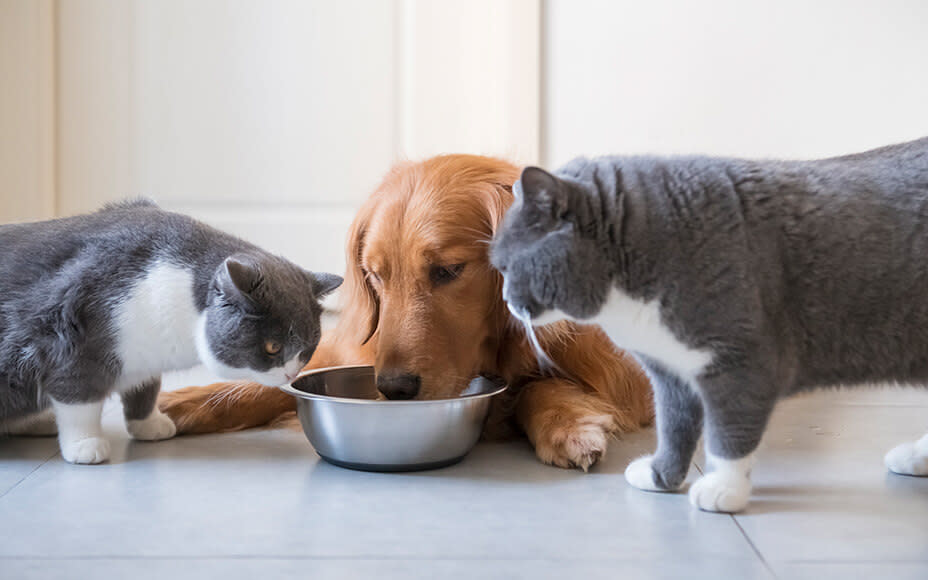
[TRANSLATION ERROR] Zieht ein neues Haustier bei euch ein oder es gibt Zweibeiner-Nachwuchs im Haus, kann das bei Hunden schon einmal auf den Magen schlagen.
Too many snacks
Treats are often the reason why your dog becomes picky. When four-legged friends receive a lot of treats of various types and flavors, they expect the same from their food. Additionally, treats provide your dog with extra calories, satisfy your furry friend significantly, and make it easy for them to forgo their food.
Dental problems
Dogs often do not show their owners when they are in pain. Dental pain is no exception. Routine →dental check-ups at the veterinarian as well as →regular tooth brushing are the best prevention against →tartar and worse. Dental problems include root and jaw infections, tooth mobility, or even tooth loss.
When such problems occur, a dog may reduce their food intake, drop food, or completely refuse food (especially hard foods like bones and dry food).
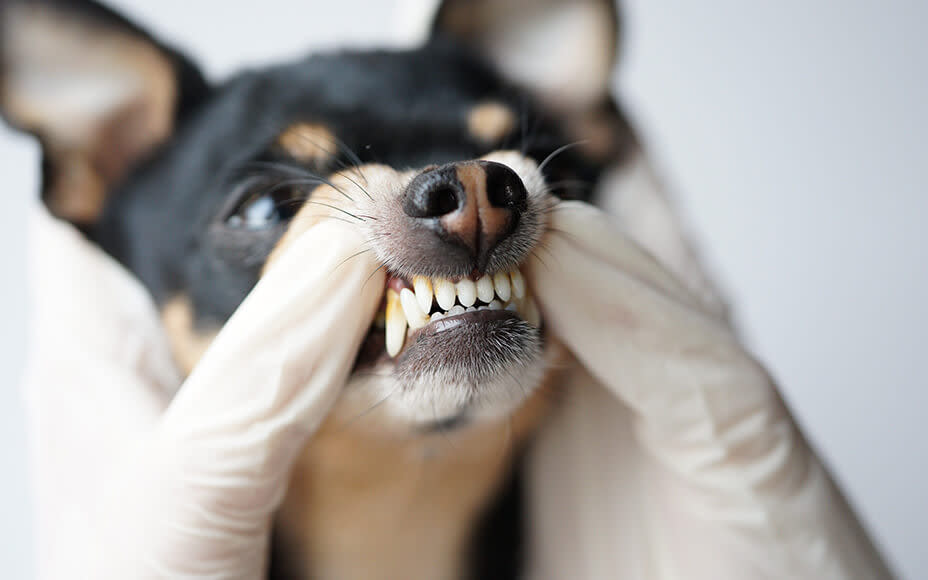
[TRANSLATION ERROR] Der Sache auf den Zahn fühlen: Stimmt was nicht mit der Zahngesundheit, kann eine Parodontitis entstehen mit Entzündungen und Appetitlosigkeit.
How do I know if my dog has dental problems?
If your dog stops eating, it’s a good idea to take a look in the dog's mouth or have a veterinary check-up. Foul odor, loose teeth, or large amounts of tartar can also be signs that something is wrong. Even during →teething, complaints such as pain and itching often occur. If this does not resolve on its own, a visit to the veterinarian is advisable.
Keep it clean! In addition to tooth brushing, you can also offer your four-legged friend a tasty chew snack for dental cleaning. At Pets Deli, we want one thing for your dog's teeth: Long-lasting chewing fun and optimal removal of dental plaque.
Bite-resistant chew snacks for every chewing pleasure!
Physical & medical causes
Most cases of prolonged, meaning lasting longer than three to five days, complete food refusal and thus chronic undernourishment result from a specific physical or medical condition.
Examples of disease-related causes of loss of appetite can include pain caused by acute tissue injuries or →inflammation of the joints. Kidney, liver, or heart diseases that lead to a changed blood concentration can cause →diarrhea, →vomiting, and →constipation, just like gastrointestinal problems.
Constipation, diarrhea, intolerances, or allergies to a specific food, →parasites, or bowel diseases can also cause your beloved pet to stop eating.
But how can I assess whether there is a physical or medical problem? It is very important to consult a veterinarian if you notice signs of a disease-related problem and describe what changes you have observed in your four-legged friend. Often, they can help you find a cause for the change through blood, stool, or urine tests of your dog and adjust the feeding to meet your four-legged friend’s needs.
S.O.S: Futtermittelallergie
Das kannst du bei einer Allergie tun!
With Pets Deli VET, we are here for you when your dog needs adjusted food in addition to treatment. Whether there are problems with joints, liver and kidneys, or weight: We are prepared for all cases (and furs)!
Behandlungsbegleitend an eurer Seite: Pets Deli VET


Age
As dogs get older, they are not as active and require less energy from their food. Small dog breeds are considered seniors only from 8-10 years, while large dog breeds can already be seniors at 6 years. In old age, it is important that your dog receives a →suitable food tailored for seniors to meet their energy and nutrient needs.
If an older dog is otherwise healthy, cognitive changes can also affect their dietary plan or appetite. It is not necessarily bad if a senior eats less, as they can quickly gain weight due to reduced movement, which in turn can negatively affect the dog's joints.
Regular routine check-ups at the veterinarian can detect changes early, allowing you to adjust the diet accordingly and thus avoid loss of appetite.
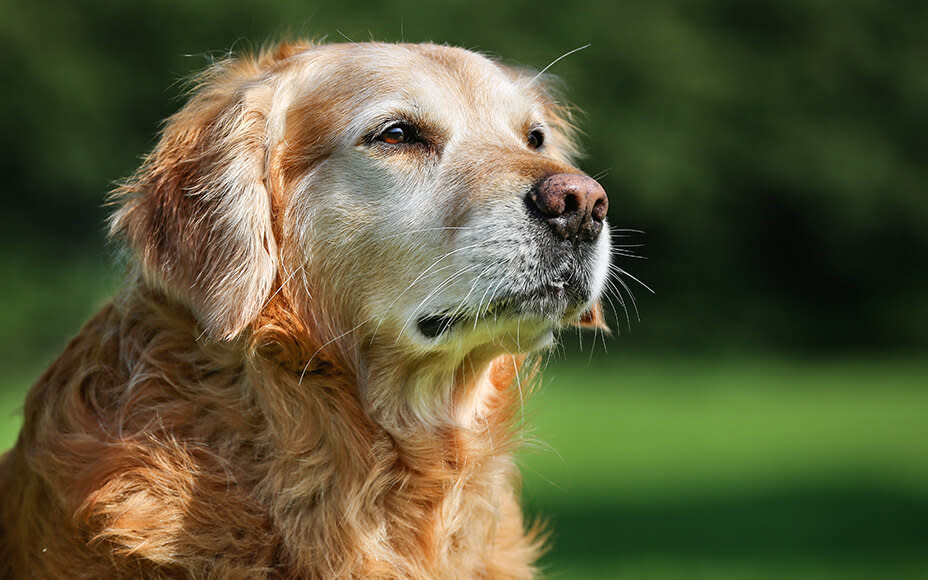
[TRANSLATION ERROR] Wenn unsere Hunde älter werden, verändert sich ihr Bedarf stark. Ein Futter, das an diese Veränderungen angepasst ist, sicher Lebensqualität.
9 Tips to stimulate appetite
If you suspect that your dog's eating behavior is influenced by behavioral problems, the following tips may help your beloved pet eat normally again:
1. Try a new food to see if your four-legged friend does not want to eat in general or if they are simply tired of their old food.
2. Try to stick to a fairly strict feeding schedule with precise feeding times.
3. Remove the bowl if your dog has not eaten after 10 minutes. This teaches the dog that they do not always have the option to eat and can "lose" their food.
4. Avoid treats. This reduces excess calories.
5. Lightly warm the food, for example, in a water bath, or add some warm water. The warmth enhances the smell of the food, making it more attractive.
6. Try a new feeding location, perhaps the bathroom or hallway. Smaller, quiet rooms provide the dog with more security. Also, avoid noise, stress, and the presence of strangers while the dog is supposed to eat.
7. Consider doing a little training session with your dog before they are fed. This stimulates the dog's metabolism and promotes appetite.
8. Bring some variety to the feeding. For example, by using different types of food. However, note that the rotation of varieties should not be done too often so that the dog does not start waiting for something better or new.
9. Test a new bowl! Many dogs do not like to eat from bowls made of aluminum because they reflect. The sound of the food in the respective bowl can also be a disturbing factor. Plastic bowls can change the taste of the food due to plasticizers. Try bowls made of ceramic or glass or even a regular plate.
No reason to worry
You see, there are many adjustments that can be made when your beloved four-legged friend refuses to eat. And often it resolves on its own. However, since persistent refusal can also be a sign of a physical problem, you should generally observe your dog for any further abnormalities.
If there is no improvement in behavior after 3 days, consult your trusted veterinarian. Together, you will find a solution to the problem so that your four-legged friend can enjoy their meals again.