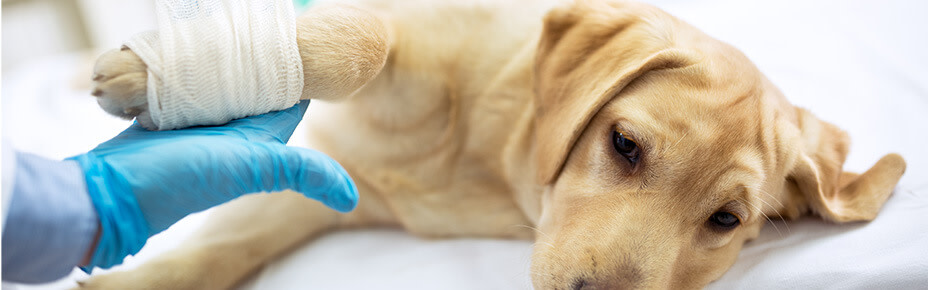
Osteoarthritis in dogs: causes, symptoms and treatment
Osteoarthritis (also: osteoarthrosis) is often heard of in connection with aging people or animals, but what exactly is osteoarthritis and how does it manifest in dogs? In osteoarthritis, the joint cartilage is affected – and this can occur in various parts of the body such as the elbow, shoulder, knee, spine and hip. The disease progresses steadily, is degenerative (i.e. it develops through wear and tear) and chronic. Seniors are particularly affected, as their cartilage has already endured a lot over their lifetime. How the disease develops, what symptoms and treatment options are available, you can find out here.
Causes: How does osteoarthritis develop?
In healthy joints, the bone is protected by cartilage and with the help of synovial fluid the bones do not touch each other during movement. If there is a damage to the cartilage caused for example by →overweight, arthritis or other incorrect loading and trauma, this leads to contact and friction of the bones against each other – this is how osteoarthritis develops in dogs. Quite often, a previous →damage to the cruciate ligament is also a cause of osteoarthritis. Over time, the cartilage between the bones becomes brittle and can eventually even tear. In addition to wear and tear of the bones, there are also deformations, redness and swelling accompanied by pain.
Particularly at risk are →large and very large dog breeds. But four-legged friends who have been severely overweight for a long period of time also have a higher risk of developing osteoarthritis.

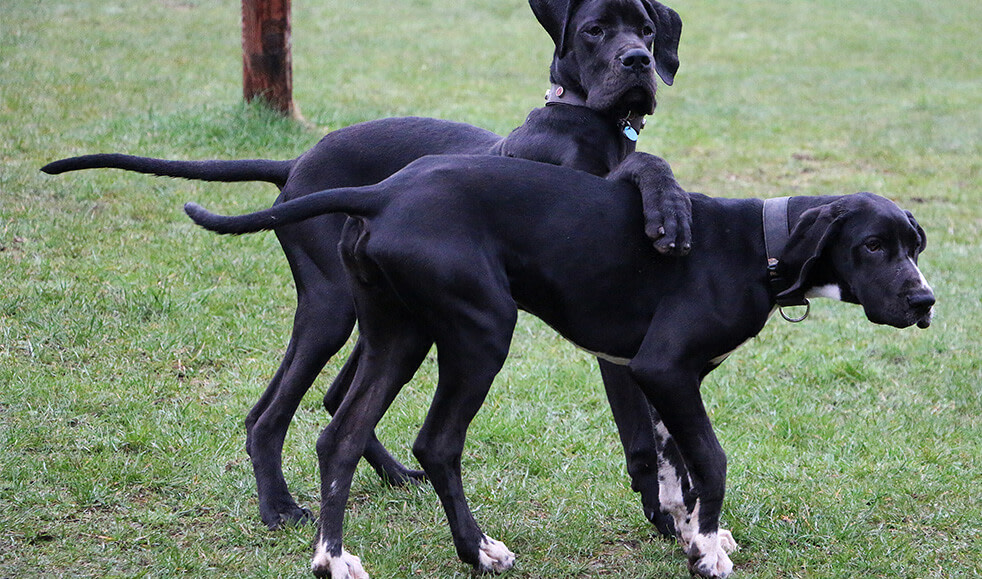
Very large dog breeds in particular carry a lot of weight, so their cartilage can wear down quickly with excessive activity.
Symptoms: How to recognize osteoarthritis in dogs
If your dog suffers from osteoarthritis, this can become noticeable through the following symptoms:
Lameness: Especially after long periods of rest, dogs with osteoarthritis limp significantly. After a short walk, the lameness decreases and the dogs "walk it out".
restricted mobility, especially near the joints
muscle tension
muscle loss
pain
hardening of the joint capsule
ligaments and bones become visible at affected areas
Did you know that you can easily support your dog in addition to therapy from veterinarians ? A healthy diet is essential, when it comes to laying the foundation for a healthy life. At Pets Deli, we have made it our mission to bring →healthy food to every bowl. With fresh meat, crunchy fruit and vegetables, select herbs and rich oils, we are always striving to create the best meal and enable your dog to live a long and healthy life. Unhealthy additives such as grains, sugar as well as artificial colors and flavorings are not found in our products.
Our dog food: healthy, honest, delicious.
Treatment options for osteoarthritis
If osteoarthritis has been diagnosed by examinations such as X-rays, ultrasound, possibly joint puncture and palpation, various treatment options will be discussed at the veterinary clinic. The focus here is on pain relief, but also on restoring and maintaining mobility as well as supporting joint function. The disease is initially treated conservatively and without surgery in order to alleviate existing symptoms.
With our →Pets Deli VET Joint Fit wet food we optimally address the needs of sick furry friends. As a supportive treatment, our Joint Fit food supports with its special recipe. The included green-lipped mussel truly lives up to its superfood reputation: its meat contains the glycosaminoglycans chondroitin and glucosamine, which can support cartilage metabolism and cartilage health. The green-lipped mussel is also the main ingredient in our →Joint Tabs for dogs. As a →package you get a complete set right away.
Conservative therapy may also include →weight reduction, regular but low intensity exercise, painkillers and anti-inflammatories as well as medications to protect the cartilage.

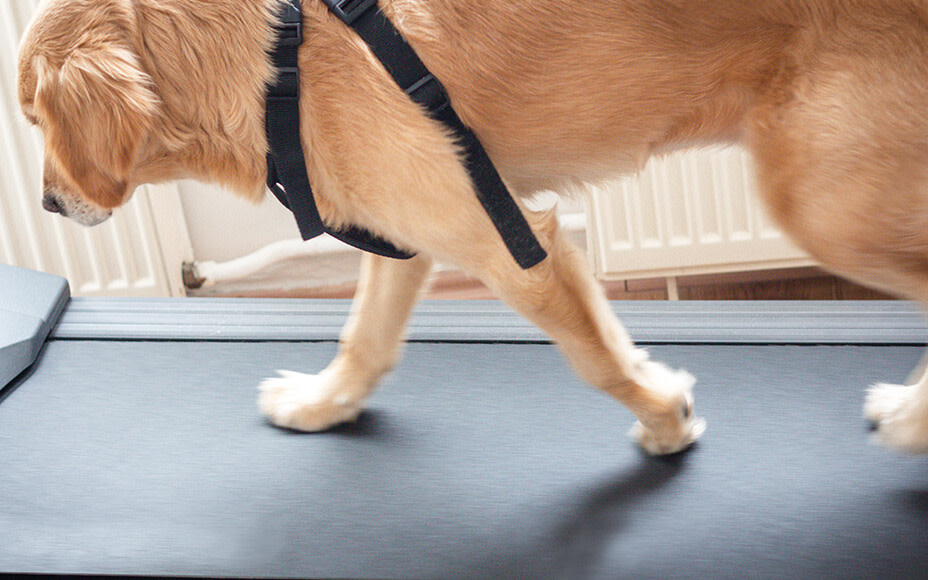
Another option for treating osteoarthritis in dogs is physiotherapy, where targeted exercises help in a similar way as they do for humans.
Physiotherapy for dogs? Absolutely! Even if the idea of your furry friend having to gently move their legs while lying on their back seems hilarious, physiotherapy is an optimal support for alleviating symptoms. In addition to relieving muscle tension it gently mobilizes and restores mobility. Physiotherapy for dogs can include swimming, cold and heat therapy, ultrasound and shock waves.
After unsuccessful conservative therapy there are further options such as radiation therapy, joint injections and surgery. If osteoarthritis is not treated at all and lameness is dismissed as a sign of aging, immobility can quickly develop. The result: dogs die earlier.
Prevention: What you can do to protect your dog
Prevention is better than cure – and there is a lot you can do to reduce the risk of osteoarthritis. Prevention starts in puppyhood, as new dog parents often let their puppies jump around freely. However, overexertion at a young age can be harmful to cartilage and bones, especially during growth. Care should always be taken to ensure that puppies do not climb stairs, do not jump, and do not walk for too long at a stretch. Adult dogs should be exercised regularly and kept fit with variety. Whether →sport, long walks or other activities – exercise always keeps them fit and you should not hold your dog back out of fear of osteoarthritis. It is only about age-appropriate activity.
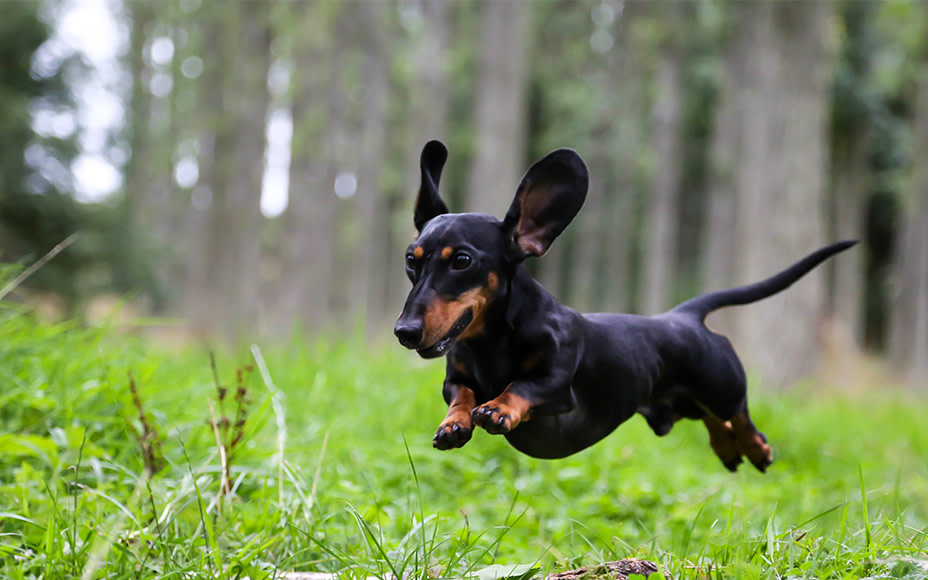
Roughhousing allowed, but stairs and jumps less so, as bones and more are still growing during puppyhood and can quickly become overstrained.
If dogs are particularly large or already a bit older, jumping is also off limits, as excessive strain carries the risk of osteoarthritis. In addition, large dog breeds have considerable weight, which their bones have to carry. Weight plays a role at any age, as being overweight is also considered a risk factor and should be avoided.
A →balanced, healthy and species-appropriate diet is at the center of prevention, when it comes to osteoarthritis. Bones, cartilage and tissue need certain amounts of vitamins, trace elements and minerals, which can ensure their maintenance.